Tulsi Tea: The Complete Guide to the Sacred Adaptogen Cup
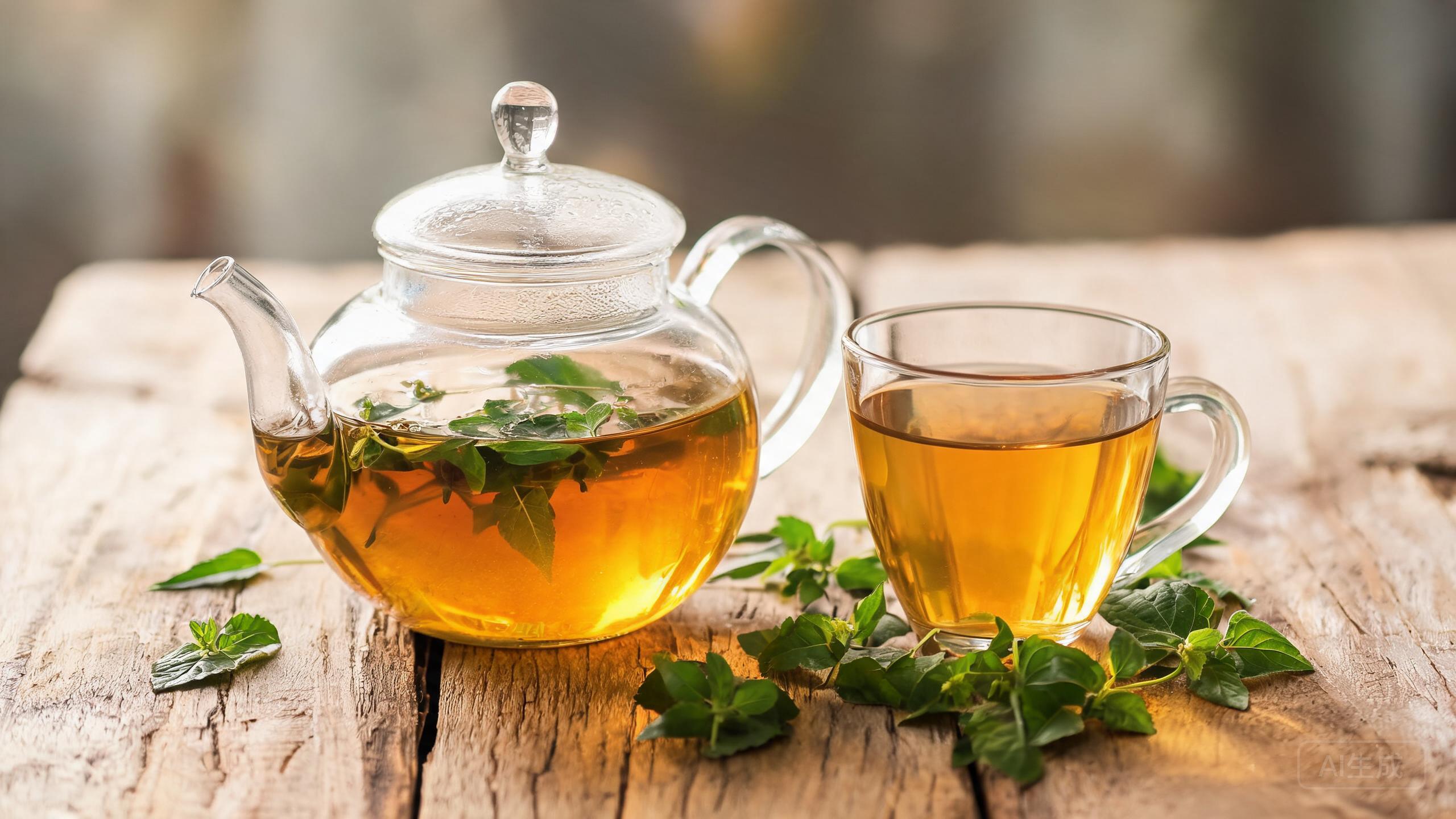
Tulsi tea — also called holy basil — is the sacred adaptogen of the tea world, a gently warming, clove-and-pepper-scented cup with a reputation for steadying stress rather than sedating you. It's the tea people drink when they want balance in the middle of the day, not just sleep at the end of it.
This guide covers what tulsi actually is, what the research says about stress and balance, the three types of tulsi and which to choose, how to brew it so the clove-peppery flavor comes alive, the best blends, the safety notes, and the glass teapots for this ancient calming cup.
Tulsi Tea Benefits: What the Research Shows
Tulsi is Ocimum tenuiflorum (holy basil), a plant revered in Ayurveda for thousands of years and now one of the best-studied adaptogens in Western science:
- Stress and cortisol support. As an adaptogen, tulsi is traditionally used to help the body adapt to stress rather than block it. Some human research reports lowered self-rated stress and improved feelings of wellbeing with daily tulsi use.
- Balance, not sedation. Unlike a drowsy nighttime herb, tulsi's calm is described as alert and centered — which is why it's a popular mid-day, working-hours brew.
- Mental clarity and focus. Users and small studies associate regular tulsi with less mental fatigue and better concentration during stressful periods.
- Antioxidant and immune support. Tulsi is rich in eugenol and other polyphenols, giving it real antioxidant activity alongside its stress-support role.
- Caffeine-free. Pure tulsi has no caffeine, so it supports your internal balance without adding a stimulant on top of a stressful day.
The safety rules — read this part: tulsi can slightly lower blood sugar and blood pressure, so people with diabetes or low blood pressure, or those on related medication, should check with a doctor and monitor. Because it's stimulating-adjacent and can interact with fertility, it's not recommended in large amounts during pregnancy (traditional texts advise avoiding it while trying to conceive). As with any adaptogen, start small and take periodic breaks.
The Three Types of Tulsi, Explained
| Rama Tulsi | Krishna Tulsi | Vana Tulsi | |
|---|---|---|---|
| Color/leaf | Green leaves | Purple-green leaves, darker stem | Wild, light-green broad leaves |
| Flavor | Milder, sweeter, more mint-like | Stronger, more peppery and clove-like | Lighter, more citrusy, softer |
| Best for | Daily calm, easiest first cup | Stronger adaptogen feel, peppery drinkers | Garden types, gentlest introduction |
Most commercial blends combine all three to balance flavor and benefit — the classic "three tulsi" recipe. If you're choosing one, Rama is the friendliest and most approachable for a first pot.
How to Make Tulsi Tea
Classic Tulsi Tea (1 cup)
- 1–2 teaspoons dried tulsi (or a generous sprig of fresh leaves)
- 12 oz (350 ml) water, just off the boil
- Optional: a little honey and a squeeze of lemon
Method: Place the tulsi in a teapot infuser basket, pour the hot water over it, and steep 5–10 minutes. Tulsi is robust for an herb, so it takes a hot, full brew happily — longer steeping gives more of that warming clove-pepper kick. Strain, and sip mid-morning or mid-afternoon whenever your day needs leveling, not hibernating.
Make it a daily adaptogen habit: many people drink tulsi daily, either as a single herb or combined with ashwagandha, for steady stress support. Because it's caffeine-free and balancing rather than sedating, it works well as the daily "third cup of the day" that replace yet another coffee.
5 Way to Pair Tulsi for Balance
- Tulsi and ashwagandha: the classic adaptogen duo — two pillars of stress support in one pot.
- Tulsi and peppermint: bright and refreshing, a clean daytime calming cup.
- Tulsi and ginger: warming and grounding, wonderful in cool weather or for digestion.
- Tulsi and lemon balm: double the calm — tulsi for centered focus, lemon balm for a softer edge.
- Tulsi and cardamom: the sweet-spicy pairing that rounds tulsi's pepper into something cozy.
Does Tulsi Tea Have Caffeine?
No — pure tulsi tea is naturally caffeine-free. Despite its energizing, alert reputation, that lift comes from adaptogenic stress support, not stimulants. It's one of the rare beverages that can make you feel more centered and focused without a drop of caffeine — which is exactly why it fits busy working days.
Troubleshooting
"It tastes too peppery"
That's Krishna tulsi doing its thing. Switch to Rama or Vana tulsi for a milder cup, shorten the steep, or pair it with peppermint and honey to soften the pepper.
"Can I drink it every day?"
Yes — tulsi is traditionally a daily tea, and adaptogens work best with consistent use. Many people take a periodic break (like a week) to keep the body responsive, which is also the traditional pattern.
"Should I brew it like regular tea?"
Yes, it steeps like a normal herbal tea and is forgiving: 5–10 minutes, hot water, strain. It's more robust than delicate herbs, so you can push it without ruins the cup.
Why Glass Is the Right Home for Tulsi Tea
Tulsi's essential oils and slightly resinous character mean it deserves a vessel that keeps its flavor clean — and glass, being inert and non-porous, is the one material that never adds or holds onto residual oils between brews. It also takes the hot full steep tulsi likes, and lets you watch the leaves release that soft green-gold color. Pour it into a double-wall glass mug and a grounding brew becomes a daily small ritual.

40oz Glass Teapot with Infuser
The one pot for a steady daily habit: the infuser basket holds the tulsi cleanly through a hot, full steep, while inert borosilicate glass keeps the clove-peppery oils true. About 3 midday cups per brew.
Buy Now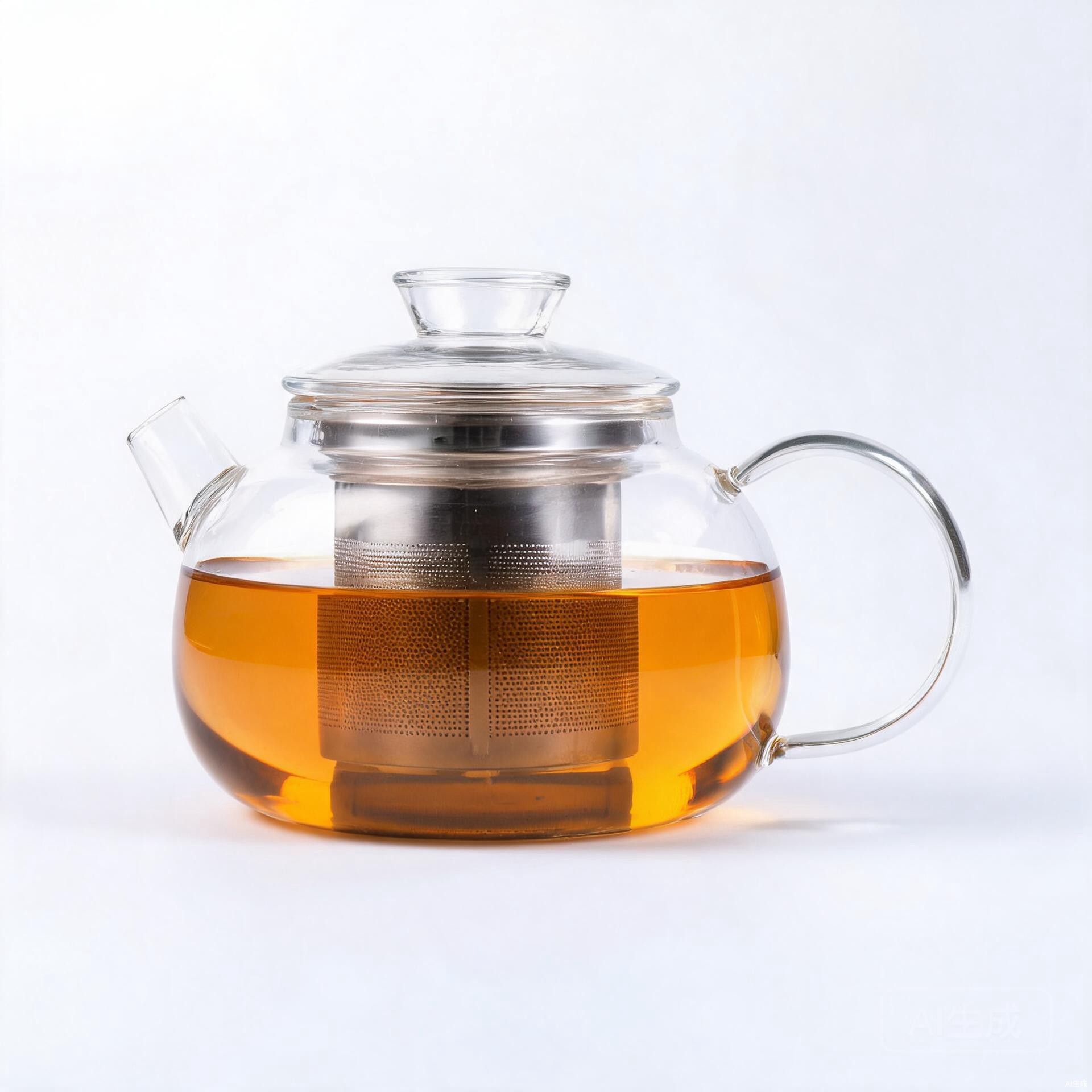
MESNEY 61oz Large Glass Teapot with Infuser
1.8L for a whole day of centered calm — brew a big pot in the morning and pour steady cups through your busiest hours.
Buy Now
17oz Double Walled Glass Coffee Mug
Double-wall glass keeps the warm tulsi cup comfortable at your desk all afternoon — the everyday vessel for a centered workday.
Buy NowFrequently Asked Questions
What is tulsi tea?
It's a herbal tea made from holy basil (Ocimum tenuiflorum), a sacred plant in Ayurveda and one of the most-studied adaptogens — a caffeine-free herb traditionally used to help the body adapt to stress.
What does tulsi tea do for the body?
As an adaptogen, it's traditionally used for stress support, balance, mental clarity, and wellbeing. Research reports reduced self-rated stress with daily use, and it carries real antioxidant activity. It's calming without being sedating.
Does tulsi tea taste like regular cinnamon or peppermint tea?
No — tulsi has its own profile: slightly sweet, with a warming clove and black-pepper character and a hint of mint. It's herbal and complex. Rama tulsi is the mildest; Krishna is the most peppery.
Is tulsi tea safe?
Generally yes for healthy adults. It can lower blood sugar and blood pressure, so those with diabetes, low blood pressure, or related medication should check with a doctor. Not recommended in large amounts during pregnancy.
How much tulsi tea can I drink a day?
1–3 cups daily is common and fits the adaptogen model, ideally with periodic breaks. Start with one cup to see how your body responds, then adjust.
The Bottom Line
Tulsi tea is the balanced middle of the tea world — caffeine-free, gently adaptogenic, and genuinely research-backed for stress support. Choose Rama for your first pot (or a three-type blend), steep it hot for 5–10 minutes, sweeten lightly, and make it your regular mid-day cup when busy days need leveling rather than another stimulant.
Brew it in a MESNEY glass teapot: the inert, non-porous borosilicate that keeps tulsi's aromatic oils clean and true, with an infuser that holds a full steep and a double-wall glass mug to carry the centered cup with you all day.
As an Amazon Associate, MESNEY earns from qualifying purchases. Prices and availability are subject to change. This article is for general information and is not medical advice — consult your healthcare provider for personal health decisions.