White Tea: The Complete Guide to the Rarest Tea Variety
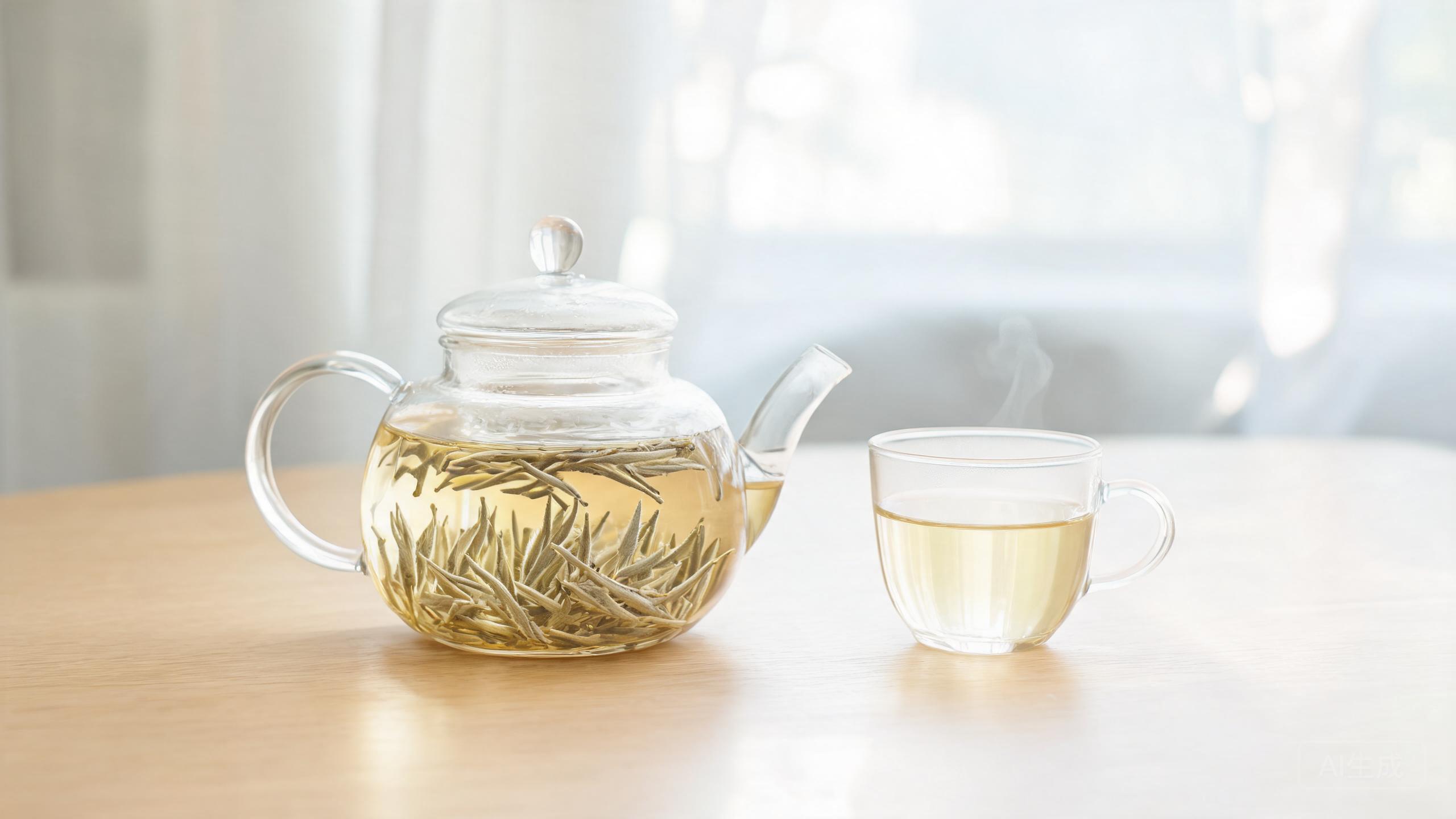
White tea is the rarest and least processed tea in the world: young buds and leaves that are simply picked, withered, and dried — nothing more. That minimal processing preserves the most delicate flavors and the highest concentration of antioxidants of any tea, which is why white tea has become the connoisseur's favorite and a fast-growing health trend.
This guide covers what makes white tea different, the researched white tea benefits, the main types (silver needle, white peony, and more), how to brew it properly, and the glass teapots that show off its pale, almost clear liquor.
What Is White Tea?
White tea comes from the same Camellia sinensis plant as green and black tea — but it's processed almost not at all. The youngest buds and leaves are picked in early spring, then withered and dried in the sun or in a controlled room. There's no rolling, no oxidation, no firing. The result is a tea that tastes like the fresh leaf itself: delicate, sweet, and slightly floral, with a pale golden liquor.
The name comes from the fine white hairs (called pekoe) that cover the young buds — giving them a silvery, downy appearance.
Types of White Tea
| Silver Needle | White Peony | Shou Mei | |
|---|---|---|---|
| Leaves | Only young buds | Buds + young leaves | Older, larger leaves |
| Flavor | Delicate, sweet, subtle | Fuller, more body | Bolder, earthier |
| Price | Highest | Mid | Most affordable |
| Best for | Purest white tea experience | Everyday white tea | Brewing big, bold cups |
Silver needle (Bai Hao Yin Zhen) is the most prized — only the plump, silvery buds, picked for a few days each spring. White peony (Bai Mu Dan) includes buds and leaves for a fuller cup. Shou Mei is the everyday, budget-friendly option with a bolder character.
White Tea Benefits: What the Research Shows
- Highest antioxidant content of any tea. Because white tea is barely processed, it retains more catechins and polyphenols than green or black tea — the compounds linked to fighting oxidative stress.
- Lowest caffeine of the true teas. White tea has about 10–15 mg of caffeine per cup — less than green tea and far less than coffee, making it a gentle choice.
- May support heart health. The flavonoids in white tea are linked to improved blood pressure and cholesterol in several studies.
- Skin health. White tea's antioxidants are often cited in studies for their potential to protect skin from UV damage and premature aging.
- Antibacterial properties. Some research suggests white tea extracts may help inhibit bacterial growth — promising, though more studies are needed.
A note: white tea is very gentle and safe for most people, but it does contain a small amount of caffeine. If you're extremely caffeine-sensitive, drink it earlier in the day or choose a caffeine-free herbal tea for evenings.
White Tea vs Green Tea
| White Tea | Green Tea | |
|---|---|---|
| Processing | Withered + dried only | Steamed/pan-fired (stops oxidation) |
| Flavor | Delicate, sweet, subtle | Grassy, vegetal, sometimes astringent |
| Antioxidants | Highest | Very high |
| Caffeine | 10–15 mg/cup | 15–30 mg/cup |
| Bitterness | Rarely bitter | Can be bitter if over-steeped |
If green tea is the crisp, grassy cousin, white tea is the soft, sweet one. White tea has more antioxidants and less caffeine, and it's far more forgiving to brew — it rarely turns bitter. Green tea has a bolder flavor that some people prefer. Both are excellent; white tea is the more delicate, premium experience.
How to Brew White Tea (The Right Way)
Perfect White Tea (1 cup)
- 1.5 teaspoons loose leaf white tea (silver needle or white peony)
- 8 oz (240 ml) water at 175–185°F (79–85°C)
- Steep for 3–5 minutes
Method: Heat water to about 175–185°F (79–85°C) — let a full boil rest for a minute. Pour over the white tea in a glass teapot with infuser and steep for 3–5 minutes. White tea is forgiving: it won't turn bitter even if you steep longer. Strain and enjoy the delicate, sweet liquor.
White tea rewards a generous dose and a patient steep. Use more leaves than you would for green tea, and don't rush it — the delicate flavors unfold slowly. And because it never gets bitter, it's the perfect "set it and forget it" tea.
White Tea Recipes to Try
- Iced white tea: double the leaves, steep, chill, and serve over ice with a squeeze of lemon — a delicate, refreshing summer drink.
- White tea with honey: a touch of honey brings out the natural sweetness — the classic pairing for this delicate tea.
- White tea and peach: steep white tea with fresh peach slices for a naturally sweet, fruity pitcher drink.
- Cold-brewed white tea: steep white tea leaves in cold water in the fridge overnight — the smoothest, sweetest way to drink it.
- White tea lemonade: mix chilled white tea with fresh lemonade for a floral, low-caffeine summer cooler.
Does White Tea Have Caffeine?
Yes, but the least of any true tea. White tea contains about 10–15 mg of caffeine per cup — roughly a third of green tea and an eighth of coffee. It's the gentlest of the true teas, which makes it a popular choice for people who want the benefits of tea without the caffeine buzz.
Troubleshooting
"My white tea tastes weak"
Use more leaves (up to 2 teaspoons) and steep longer — white tea is delicate and needs a generous dose and a patient steep (5 minutes or more).
"My white tea tastes bitter"
This is rare with quality white tea, but it can happen with boiling water. Use water at 175–185°F (79–85°C), never boiling.
"Can I re-steep white tea?"
Yes — white tea leaves can be re-steeped 3–4 times, and each steep reveals new layers of flavor. Add a little time to each subsequent steep.
Why Glass Is the Right Home for White Tea
White tea is the most delicate tea you can brew — and its pale, almost clear liquor deserves to be seen. A borosilicate glass teapot shows off the silvery buds unfurling and the golden liquor developing, and glass holds no residual flavors, so each pot tastes purely of the leaf. It's the perfect vessel for a tea that's all about subtlety.

40oz Glass Teapot with Infuser
Built for the daily white tea ritual: about 4 cups. Load the infuser basket with loose leaf white tea, pour 175–185°F water, steep 3–5 minutes, lift, and pour. The borosilicate glass shows the silvery buds and the pale golden liquor.
Buy Now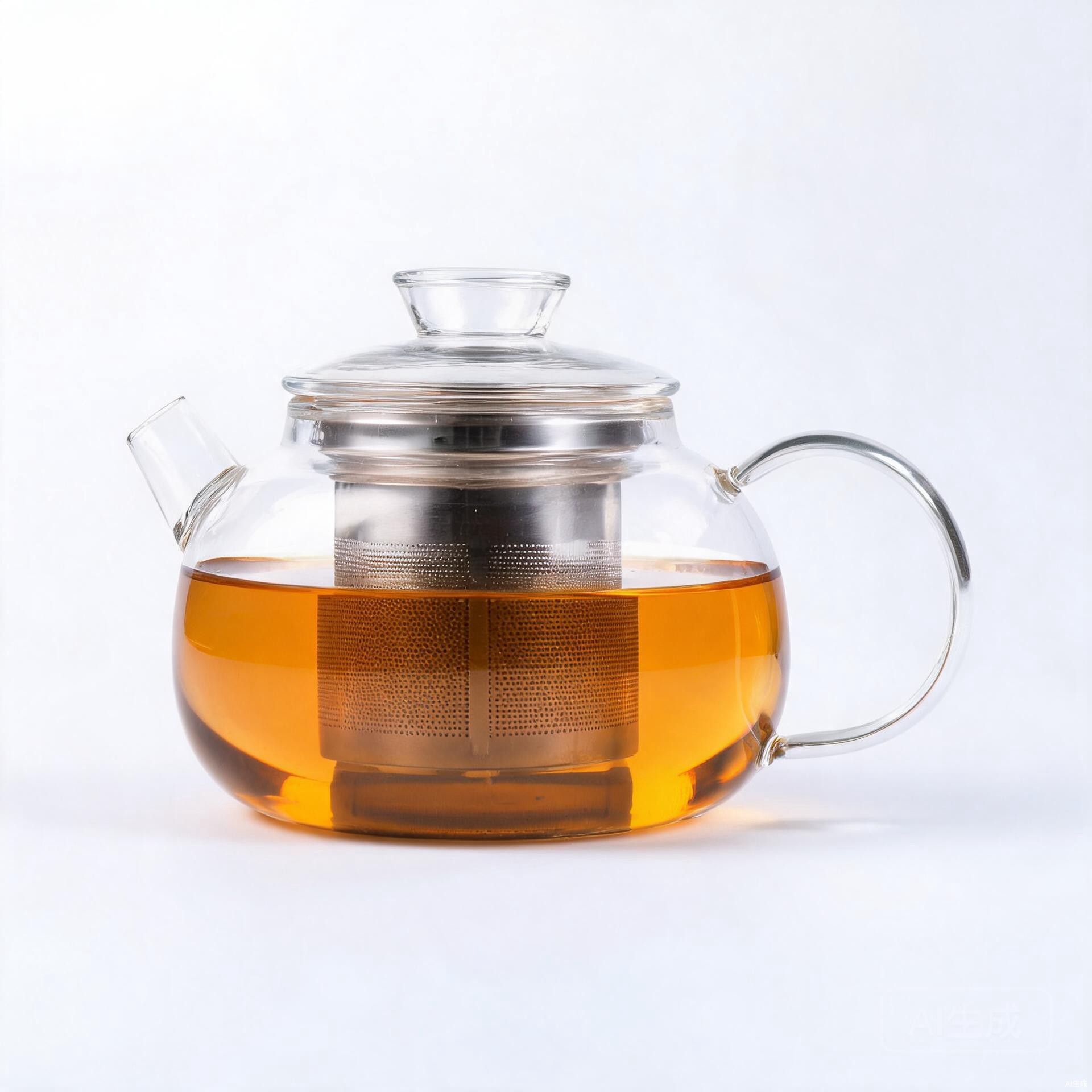
MESNEY 61oz Large Glass Teapot with Infuser
The big-batch size for a full pitcher of cold-brewed white tea or a family afternoon supply. 1.8L, deep infuser basket, same zero-flavor-retention glass.
Buy Now
17oz Double Walled Glass Coffee Mug
The insulated double wall keeps your white tea warm while the outside stays cool to hold — and the clear glass lets you enjoy the pale golden color.
Buy NowFrequently Asked Questions
What does white tea taste like?
Delicate, sweet, and slightly floral, with a light body and a pale golden liquor. It's the most subtle of the true teas — never bitter, never astringent.
Does white tea have caffeine?
Yes, but the least of any true tea — about 10–15 mg per cup, roughly a third of green tea and an eighth of coffee.
How long should I steep white tea?
3–5 minutes at 175–185°F (79–85°C). White tea is forgiving — it won't turn bitter even if you steep longer.
Is white tea good for you?
Yes — it has the highest antioxidant content of any tea because it's the least processed, plus the lowest caffeine of the true teas.
Is white tea stronger than green tea?
No — white tea is milder and more delicate than green tea, with more antioxidants but less caffeine and less bitterness.
Can you drink white tea every day?
Yes, white tea is safe and gentle enough to drink daily. Its low caffeine and high antioxidant content make it a great everyday choice.
The Bottom Line
White tea is the rarest and most delicate tea in the world — barely processed, packed with antioxidants, and almost impossible to ruin. Steep it gently at 175–185°F for 3–5 minutes, and you'll taste why connoisseurs pay premium prices for those silvery spring buds.
Brew it in a MESNEY glass teapot: watch the silvery buds unfurl and the pale golden liquor develop, and serve in a double-wall glass mug that holds the warmth — and the subtlety — all the way down.
As an Amazon Associate, MESNEY earns from qualifying purchases. Prices and availability are subject to change.