Yerba Mate: The Complete Guide to South America's Energizing Tea
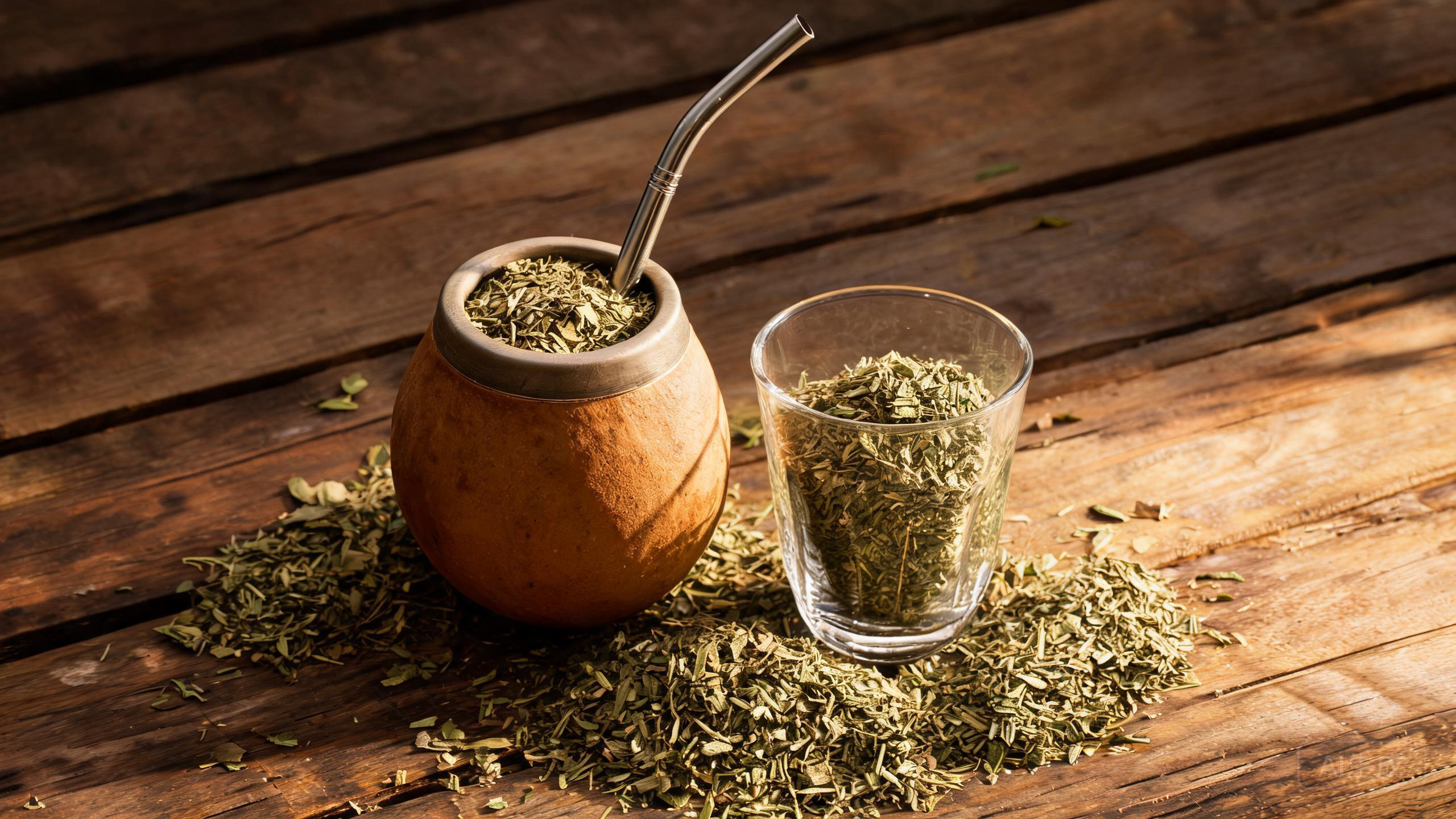
Yerba mate is the tea of a continent. In Argentina, Paraguay, Uruguay, and southern Brazil, mate is a daily ritual — a group activity, a morning wake-up, and a shared thermos passed around a circle. Now it's one of the fastest-growing "functional" teas in the U.S., beloved by people looking for clean, steady energy.
This guide covers what yerba mate is, how it compares to coffee, what it tastes like, its caffeine and health profile, how to prepare yerba mate the traditional way (gourd + bombilla), cold tereré, and how to brew and serve mate in a glass that suits a modern lifestyle.
What Is Yerba Mate?
Yerba mate (Ilex paraguariensis) is a holly plant native to South America whose leaves are dried and brewed like tea. Unlike true tea (from the Camellia sinensis plant), mate is botanically separate — but it behaves like a tea and is drunk the same way, traditionally from a hollowed gourd called a "mate" using a metal, filter-tipped straw called a "bombilla."
The leaves are typically aged and sometimes smoked, which gives mate its distinctive, earthy, gently bitter character. It's usually drunk as a strong water infusion, or "cooked" (mate cocido) with hot water and milk.
Yerba Mate vs Coffee
| Yerba Mate | Coffee | |
|---|---|---|
| Caffeine | Medium — about 30–50 mg per small gourd | Higher — 80–100 mg per cup |
| Energy | Steadier, smoother "lift" with less crash | Strong spike, can crash later |
| Other stimulants | Contains theobromine & theophylline (calming + focus) | Primarily caffeine |
| Effect | Calm alertness — often described as "meditative focus" | Sharp, alert, can feel jittery |
| Acidity | Lower, gentler on the stomach | Can be acidic |
The reason mate lovers call it a "clean energy" is chemistry: it carries caffeine plus theobromine and theophylline, which together tend to produce a more balanced, longer, less jittery alertness than the same caffeine in coffee. It's a favorite swap for people cutting back on coffee.
Yerba Mate Health Benefits
- Antioxidants: mate is exceptionally rich in polyphenols and antioxidant activity — some studies rank it alongside green tea.
- Focus & energy: the caffeine + theobromine combo supports alertness with less crash.
- Metabolism: like other caffeinated teas, mate has been linked to modest metabolism support.
- Nutrient density: mate contains an array of vitamins (B complex, vitamin C) and minerals (potassium, magnesium, manganese).
One important note: traditional drinking of scalding-hot yerba mate has been linked in epidemiological studies to an increased risk of esophageal irritation — largely from the extreme heat. Let your mate cool slightly before sipping, and it remains a healthy, low-acid tea. Caffeine also means it's not a bedtime drink.
How to Prepare Yerba Mate the Traditional Way (Gourd & Bombilla)
The Classic Mate Ritual
- 1 mate gourd (or a small glass cup as a modern stand-in)
- Fill the gourd about two-thirds full with loose yerba mate leaves
- Cover the mouth, tilt and shake so the fine particles settle at one slope
- Angle the gourd, pour cool water into the low side to moisten the leaves for a minute
- Insert the bombilla into the wetted area
- Pour hot water (160–175°F / 71–80°C — not boiling) into the opposite side
- Sip, then refill with hot water and share the gourd around the circle
Keep it social: in South America mate is communal — you fill, sip, and pass the gourd. Each person takes a turn until the water runs out, then the whole thing resets. It's the shared energy ritual behind mate's loyal fanbase.
Water temperature matters: boiling water scorches mate and turns it bitter and harsh. Use water just below boiling (around 160–175°F). Lower temperature highlights mate's smooth, grassy complexity instead of its bitterness, and the same leaves can be refilled again and again.
Modern Ways to Brew Yerba Mate in Glass
The traditional gourd is charming, but you don't need one to enjoy mate. Two glass-friendly methods work great:
- Glass teapot brew: put 1–2 tablespoons of loose yerba mate in a glass teapot's infuser, add 160–175°F water, steep for 3–5 minutes, and pour. This makes a smoother, less gritty cup and lets you re-steep the same leaves several times — mate leaves still release flavor on multiple infusions.
- Tereré (cold): the icy Paraguayan classic — yerba mate steeped in cold water with lime or mint, poured over ice in a tall glass. Clean, cooling, and hugely refreshing in summer.
- Mate laté: steep a strong small batch, strain, and top with steamed or cold milk and a little honey — a sweet, creamy introduction for mate beginners.
Why Glass Works for Yerba Mate
Mate is an earthy, low-acid, endlessly re-brewable leaf — and a clear glass teapot is a perfect modern vessel. You see how much water to add, how long the leaves are steeping, and when the infusion is getting weak and needs fresh water. For tereré, a tall glass tumbler shows the bright green-steeped water, mint, and lime beautifully. And unlike a gourd, glass is effortless to clean — no built-up residue between brews.

40oz Glass Teapot with Infuser
Built for a mate session: the deep infuser holds the leaves while the clear body shows the infusion color — refill the same leaves with 160°F water again and again, just like the traditional ritual.
Buy Now
17oz Double Walled Glass Coffee Mug
Fill it icy with tereré and cold water — the double-wall keeps the chill in and condensation off your hands while the clear glass shows the mint-lime infusion.
Buy Now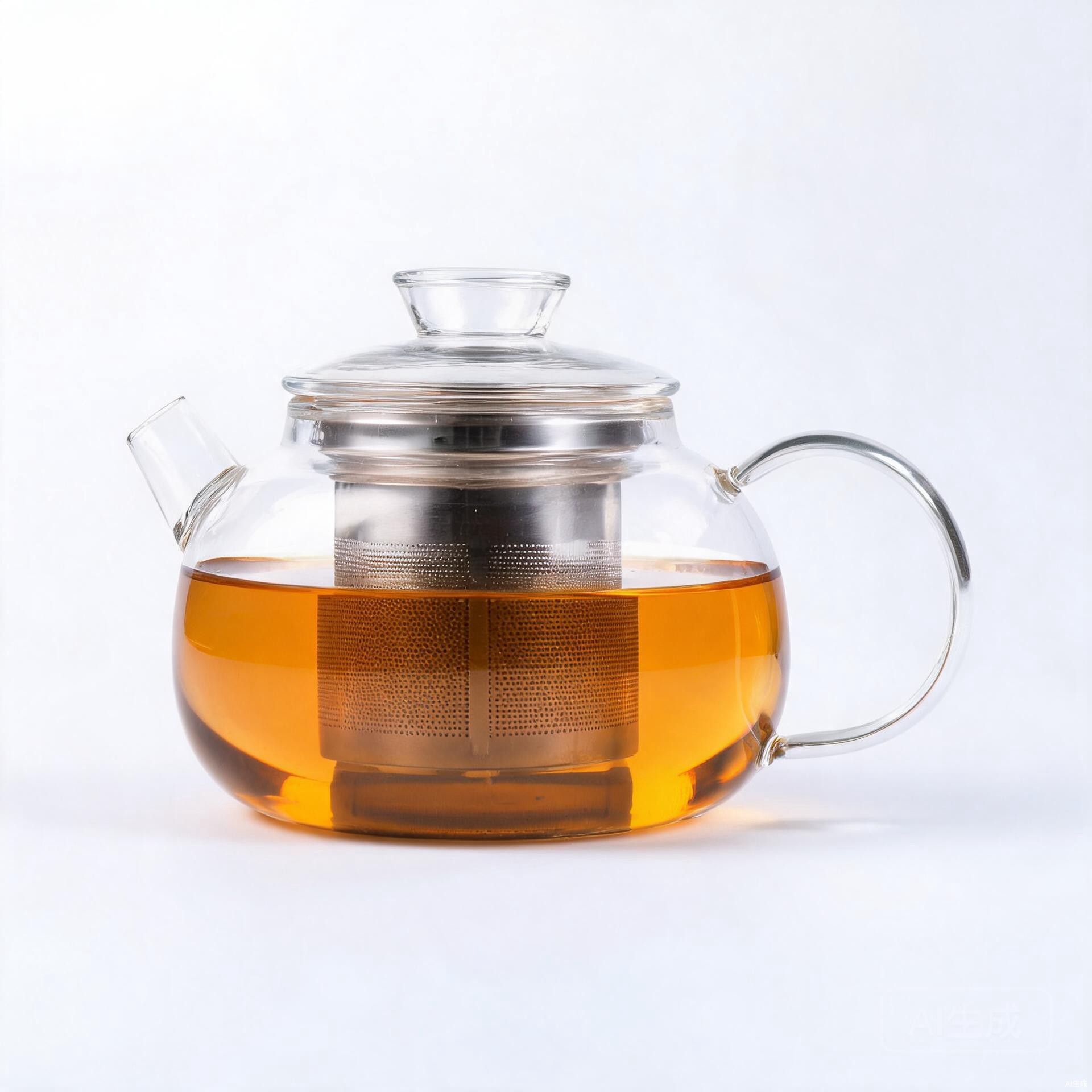
MESNEY 61oz Large Glass Teapot with Infuser
For a mate circle — the 1.8L pot keeps the session going so everyone can keep refilling their glass without a teapot-side ritual.
Buy NowFrequently Asked Questions
What does yerba mate taste like?
Earth, grass, and a gentle, pleasant bitterness with a subtle smokiness, depending on the brand's aging. It's smooth and low-acid, nothing like harsh green tea bitterness when brewed right.
How much caffeine is in yerba mate?
About 30–50 mg per small gourd — roughly half to two-thirds of a cup of coffee, but with a steadier, less jittery energy profile.
Is yerba mate healthier than coffee?
Both are healthy in moderation. Mate offers more antioxidants and lower acidity, and many find its energy smoother. Coffee is fine too — it comes down to how your body responds.
Can you drink yerba mate cold?
Yes — tereré is mate steeped in cold water with lime or mint, served over ice. It's the classic hot-climate version and refreshing in summer.
Do you need a gourd and bombilla?
Traditionally yes, but you can absolutely brew mate in a glass teapot with an infuser and strain it. It gives a smoother cup and is easier to clean.
The Bottom Line
Yerba mate is the cradle of South American herbal energy — earthy, low-acid, generous with antioxidants, and built for sharing. Whether you go full traditional with a gourd or brew it sleek in glass, it's one of the most rewarding caffeinated drinks to add to your routine.
Brew it in a MESNEY glass teapot with infuser and sip it from a double-wall glass mug: steady energy, re-brewable leaves, and a clear view of your session.
As an Amazon Associate, MESNEY earns from qualifying purchases. Prices and availability are subject to change.