Assam Tea: A Complete Guide to Bold, Malty Black Tea

Assam tea is the bold, malty black tea grown in the Brahmaputra Valley of northeastern India — the single most-produced black tea in the world, and the reason a good breakfast cup tastes full-bodied rather than thin. If you have ever wondered why one black tea feels rich and bready while another feels light, the answer usually starts with Assam.
This guide explains what Assam tea is, why it tastes malty, how much caffeine it contains, exactly how to brew it so it never turns harsh, how to drink it with milk the way it was designed to be drunk, and how it compares with the other great single-origin black teas.
What Is Assam Tea?
Assam tea comes from the state of Assam in northeastern India, a hot, humid lowland valley threaded by the Brahmaputra River. The region grows the Camellia sinensis assamica variety of the tea plant — a large-leafed, broad-leaved cousin of the small-leaf plant used in most Chinese and Japanese teas. That botanical difference is the whole story: assamica leaves are plump and full of the compounds that produce a thick, malty, almost honeyed liquor.
Assam is a fully oxidized black tea. The leaves are withered, rolled, oxidized until they turn copper-black, then dried. The result is a dark, brisk cup with an unusually full body — the tea equivalent of whole milk rather than skim. Because the valley is hot and rainy, Assam also has two picking seasons: a lighter first flush in spring and a much bolder second flush in summer, which is the one most people mean when they say Assam tea.
Assam Tea at a Glance
| Assam Black Tea | |
|---|---|
| Origin | Assam, India (Brahmaputra Valley) |
| Type | Fully oxidized black tea |
| Flavor | Malty, bold, brisk, faintly sweet |
| Body | Full and thick — stands up to milk |
| Caffeine | Roughly 40–70mg per 8oz cup |
| Best brewed at | 200–212°F (93–100°C) |
| Steep time | 3–5 minutes |
| Milk | Yes — Assam is built for it |
| Signature use | Breakfast tea, masala chai, iced tea |
Why Assam Tea Tastes Malty
The malty note in Assam tea is not added — it is created by the leaf itself. Assamica leaves are rich in the amino acids and volatile compounds that, during oxidation, develop into the aromas we recognize as malt, honey, and baked bread. Assam growers also allow a natural microscopic "golden tips" formation on the buds, which adds a round, almost caramel sweetness.
That is why Assam behaves so differently from a delicate first-flush Darjeeling. Where Darjeeling is floral and light, Assam is deep and savory. It is also why Assam is the base of most breakfast blends: it gives the cup weight and color that lighter teas simply cannot.
Assam Tea Benefits
Like all true black teas, Assam is a source of polyphenols and naturally occurring caffeine. It is not a medicine, and the points below describe general properties of black tea rather than treatment of any condition.
| Property | Why it matters day to day |
|---|---|
| Antioxidant polyphenols | Black tea is rich in theaflavins and thearubigins, the oxidized polyphenols that also give the liquor its color. |
| Gentle caffeine | Enough lift for a morning without the jolt of a large coffee. |
| Supports focus | Tea contains L-theanine alongside caffeine, which is associated with a calmer, steadier alertness. |
| Zero calories | The tea itself has no calories; only what you add counts. |
| Hydrating | A cup of tea is mostly water and counts toward daily fluid intake. |
| Versatile | Takes milk, sugar, spices, or ice equally well — a genuinely all-day drink. |
How to Brew Assam Tea
Assam is forgiving but not indestructible. The two things that ruin it are water that is too cool (the cup tastes flat and empty) and a steep that runs too long (the cup turns bitter and astringent). Get those two numbers right and Assam is one of the easiest teas in the world to brew well.
Classic Hot Assam (one 10oz cup)
- 1 heaped teaspoon (about 2.5g) loose leaf Assam, or 1 tea bag
- 10 oz (300 ml) fresh water at 200–212°F (93–100°C)
- Optional: a splash of milk, a pinch of sugar
Method:
- Bring fresh water to a full boil. Assam needs heat to release its malt; water below about 195°F leaves the cup tasting thin.
- Warm your glass teapot or mug with a little hot water, then discard it. A pre-warmed vessel keeps the liquor hot through a slow breakfast.
- Add the leaves and pour the hot water over them. Watch the color bloom outward — with clear glass you can see exactly when the liquor reaches a deep copper.
- Steep 3 minutes for a bright, brisk cup, or 4–5 minutes for a strong breakfast cup. Taste at 3 minutes rather than trusting a timer blindly; leaf size changes the timing.
- Lift out the infuser basket and serve. If you are adding milk, pour it in after the tea, not before.
The re-steep: good loose-leaf Assam gives a second and even third infusion. Add 30 seconds to each subsequent steep. Whole-leaf Assam often tastes smoother on the second pour, with the sharpest astringency already gone.
Assam with Milk: The Breakfast Cup
Assam was practically designed for milk. Its full body and brisk tannin cut through dairy instead of disappearing behind it, which is why it anchors nearly every classic breakfast blend and every cup of masala chai.
Full-Bodied Assam Latte (one mug)
- 2 teaspoons loose-leaf Assam
- 6 oz (180 ml) water at 200–212°F
- 4 oz (120 ml) whole milk, steamed or gently warmed
- Optional: 1 teaspoon sugar or honey
Method: brew the Assam strong in 6 oz of water for a full 5 minutes, then strain. Warm the milk separately and pour it into the tea in a slow stream. Sweeten to taste. The result is a rich, malty, café-style cup without the price tag.
For a spiced version, brew the leaves with a crushed cardamom pod, a slice of ginger, and a clove — the basic skeleton of masala chai. If you prefer your chai milkier and frothier, see our chai latte guide.
Assam Tea Caffeine
A standard 8oz cup of Assam contains roughly 40–70mg of caffeine, comparable to a small coffee and slightly higher than most green teas. Because Assam is brewed hot and often steeped longer than lighter teas, more caffeine is extracted per cup. Steeping for 3 minutes rather than 5 shaves off some of it, and a second infusion contains noticeably less.
If you are watching caffeine, keep Assam for the morning and switch to a naturally caffeine-free cup in the afternoon — a roasted grain tea or a hibiscus tisane both work well.
Assam vs. English Breakfast vs. Ceylon
These three get confused constantly, and the difference is mostly about where the leaf grows and how the cup feels.
| Assam | English Breakfast | Ceylon | |
|---|---|---|---|
| What it is | Single-origin black tea | A blend, usually Assam-based | Single-origin black tea |
| Flavor | Malty, bold, bready | Depends on the blend; usually malty and brisk | Bright, citrusy, crisp |
| Body | Full and thick | Medium to full | Medium and clean |
| Milk | Excellent | Excellent | Good — common in iced tea |
| Best for | Breakfast, chai, iced tea | An everyday all-rounder | A bright afternoon or iced cup |
If you enjoy the brisk, aromatic side of black tea more than the malty side, our Ceylon tea guide walks through the bright Sri Lankan style, and the Darjeeling guide covers the delicate Himalayan end of the spectrum. For a flavored classic, try our Earl Grey guide.
How to Choose Good Assam Tea
- Look for a grade, not just a region. Whole-leaf grades such as FTGFOP and TGFOP brew far more cleanly than the dusty "fannings" used in most supermarket bags.
- Prefer second flush for malt. Second-flush Assam is the bold, golden-tipped leaf most people are looking for. First flush is lighter and more floral.
- Check for golden tips. A scattering of gold among the dark leaves signals careful picking and a sweeter cup.
- Buy loose leaf where you can. Loose leaf gives you control over strength, supports a second steep, and is generally better value per cup. Our loose leaf setup guide covers the basics.
- Store it dark and airtight. Black tea keeps for a year or more away from light, heat, and moisture — never above the kettle.
Three Mistakes That Ruin Assam Tea
1. Steeping for ten minutes "to make it stronger." Longer steeping does not add body — it adds bitterness. If you want a stronger cup, add more leaf, not more time.
2. Brewing with lukewarm water. Assam needs near-boiling water. Water that has cooled too far produces a flat, hollow cup that no amount of steeping will fix.
3. Squeezing the bag or pressing the leaves. Pressing releases harsh tannins. Let the basket drip and lift it out.
Frequently Asked Questions
Is Assam tea stronger than coffee?
No. A cup of Assam has roughly 40–70mg of caffeine, while a standard 8oz coffee has around 95mg. Assam feels strong because of its bold flavor, not its caffeine level.
Can you drink Assam tea with milk?
Yes — it is one of the best teas for milk. Assam's full body and brisk tannin hold up to dairy, which is why it forms the base of most breakfast blends and traditional chai.
How many times can you re-steep Assam tea?
Whole-leaf Assam typically gives two or three good infusions. Add about 30 seconds to each subsequent steep; the second cup is often smoother than the first.
What is the best water temperature for Assam tea?
200–212°F (93–100°C) — essentially just off the boil. Assam is a fully oxidized black tea and needs high heat to release its malty character.
Final Thoughts
Assam tea is the most reliable black tea in the cupboard: bold enough for a breakfast cup with milk, brisk enough for iced tea, and generous enough to give you a second and third steep from the same leaves. Brew it hot, keep the steep to three to five minutes, and let the leaf do the work.
Because Assam brews to such a deep copper, it is one of the best teas to make in clear glass. A borosilicate glass teapot lets you watch the liquor darken and pull the leaves at exactly the right moment, and a double-walled glass mug keeps the cup hot through a long morning. Here are the pieces we use and recommend:

40oz Glass Teapot with Infuser
The deep infuser basket holds a full teaspoon of Assam leaf and lifts out clean before the tannins turn bitter, and the borosilicate glass shows the liquor deepening to copper as it steeps. The most useful pot on the shelf for breakfast tea.
Buy Now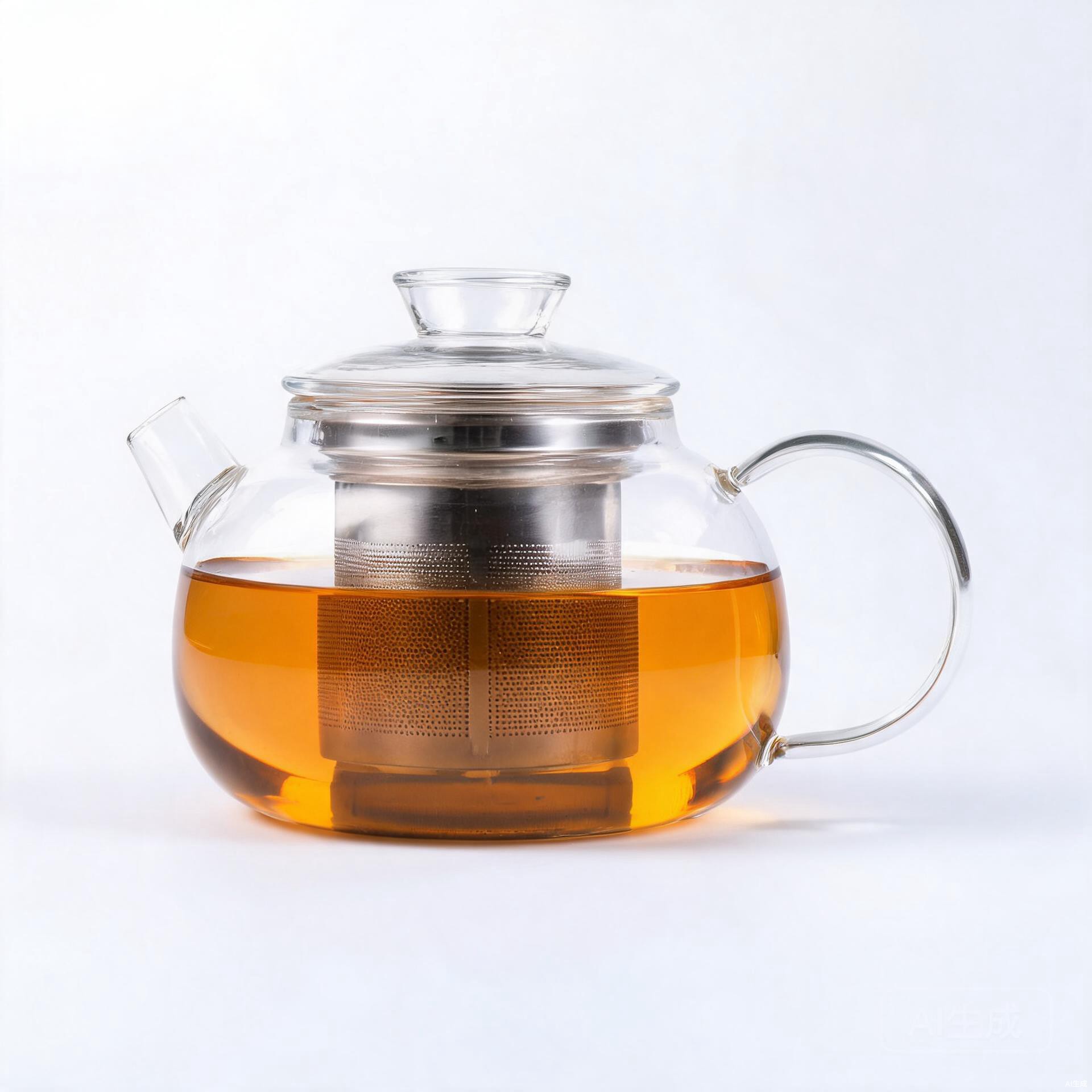
MESNEY 61oz Large Glass Teapot
1.8L makes four generous breakfast cups in one pour, so the pot can go on the table and stay there through a second round.
Buy Now
17oz Double Walled Glass Mug
A single generous cup that keeps a bright, clear liquor hot to the last sip without burning your hands.
Buy NowAs an Amazon Associate, MESNEY earns from qualifying purchases. Prices and availability are subject to change.