Ceylon Tea: A Complete Guide to Sri Lankan Black Tea

Ceylon tea is the crisp, bright black tea grown in the highlands of Sri Lanka — the world's cleanest-tasting black tea, and the one that gives iced tea its refreshing snap. If Assam is a warm blanket and Darjeeling is a glass of wine, Ceylon is a cold, clear morning.
This guide covers what Ceylon tea is, how Sri Lanka's seven growing regions taste different from one another, what those letter codes on the packet actually mean, how to brew a cup that stays bright rather than turning bitter, and how Ceylon compares with Assam and Darjeeling.
What Is Ceylon Tea?
Ceylon tea is black tea grown in Sri Lanka. "Ceylon" is the former name of the country, and the tea industry still uses it because the name carries the reputation built over more than a century of production. Sri Lanka is one of the largest tea exporters in the world, and the island's highland climate — cool, misty, and bright — produces a leaf with a distinctly citrusy, brisk character.
Almost all Ceylon tea is fully oxidized black tea, though Sri Lanka also produces small amounts of green and white tea. The country's tea gardens were originally planted in the 1870s after a fungal disease wiped out the coffee crop, and the industry that replaced it became the backbone of the island's economy. That history is why Ceylon is one of the few teas in the world with a government-backed origin certification: the Sri Lanka Tea Board's lion logo exists specifically to protect the name.
The Seven Ceylon Tea Regions
Altitude does most of the work in Ceylon tea. Higher gardens grow more slowly, producing lighter, more aromatic leaf; lower gardens grow faster and give bolder, stronger liquor. The seven official regions each have a recognizable profile.
| Region | Elevation | Character |
|---|---|---|
| Nuwara Eliya | High | The most delicate and floral — often called the finest of the high-grown Ceylons |
| Uva | High | Distinctive menthol-like briskness, excellent for iced tea |
| Dimbula | High | Balanced and bright, a classic all-round high-grown cup |
| Uda Pussellawa | High | Rosy, tangy, medium-bodied |
| Kandy | Mid | The original Ceylon garden region; full and coppery |
| Sabaragamuwa | Mid | Full-bodied with a caramel sweetness |
| Ruhuna | Low | Strong, dark, and rich — the traditional strong cup |
For everyday drinking, a Dimbula or Kandy is a reliable start. For iced tea, look toward Uva, whose briskness survives ice and lemon remarkably well.
Ceylon Tea Grades Explained
Ceylon grades describe leaf size and style, not quality directly — but bigger leaf generally means a cleaner, brighter cup. These are the letters you will see most often.
| Grade | Meaning | What it brews like |
|---|---|---|
| OP | Orange Pekoe — whole, long leaf | Light, clean, delicate |
| BOP | Broken Orange Pekoe | Stronger, faster, full-bodied — the everyday cup |
| FBOP | Flowery Broken Orange Pekoe | Strong but with more aroma; often the best value |
| BOPF | Broken Orange Pekoe Fannings | Very fast and strong — common in tea bags |
| FTGFOP | Finest Tippy Golden Flowery Orange Pekoe | Whole leaf with golden tips; the finest grade |
Whole-leaf grades such as OP and FTGFOP need a slightly longer steep and give a more nuanced cup; broken grades brew faster and stronger, which is why they dominate tea bags. For a glass teapot, whole leaf is worth seeking out — you can see the leaves unfurl as they brew.
What Ceylon Tea Tastes Like
Ceylon is defined by clarity. There is very little malt or musk — instead you get a bright, brisk, citrusy cup with a clean finish and a liquor that runs amber to bright red. High-grown Ceylons lean floral and light; low-grown teas lean strong and dark. It is the least fussy of the great black teas and the easiest to drink without milk.
That brightness is precisely why Ceylon is the traditional base for iced tea and for many citrus-flavored blends. Lemon and bergamot sit naturally on top of a Ceylon base in a way they never do on a malty Assam.
Ceylon Tea Benefits
Ceylon is a true black tea and shares the general properties of the category. It is not a medicine, and the notes below describe ordinary characteristics of the drink.
| Property | Why it matters day to day |
|---|---|
| Polyphenols | Contains theaflavins and thearubigins from full oxidation. |
| Moderate caffeine | About the same as other black teas — enough lift for a morning or early afternoon. |
| Bright, clean flavor | Easy to drink plain, so it adds no sugar or calories. |
| Excellent iced | Stays crisp when chilled, which makes it a good replacement for sweetened bottled drinks. |
| Versatile base | Works with lemon, mint, or spices without losing its own character. |
How to Brew Ceylon Tea
Ceylon sits between Assam and Darjeeling on the temperature scale. Brew it too cool and it tastes thin; brew it at a rolling boil for five minutes and the brightness collapses into bitterness.
Classic Hot Ceylon (one 10oz cup)
- 1 teaspoon (about 2.5g) loose-leaf Ceylon
- 10 oz (300 ml) water at 195–205°F (90–96°C)
- Optional: a thin slice of lemon — but no milk needed
Method:
- Bring fresh water to a boil, then let it settle for thirty seconds or so.
- Warm a glass teapot or mug, then discard the warming water.
- Add the leaves and pour the hot water over them. Watch the liquor turn from pale straw to bright amber through the glass.
- Steep 3–4 minutes. Broken grades are ready closer to 3 minutes; whole-leaf OP or FTGFOP may want the full 4.
- Remove the leaves. Ceylon should taste brisk and clean, never harsh.
For a stronger cup, add leaf, not time. Ceylon turns bitter faster than Assam, so if the cup tastes weak, increase the amount of tea rather than the steep — 1.5 teaspoons instead of 1.
Iced Ceylon Tea: The Classic Method
Iced tea as most of the world knows it is built on a Ceylon base, and it is genuinely worth making at home — the flavor is far brighter than anything from a bottle.
Iced Ceylon Tea (1 liter)
- 3 tablespoons (about 10g) loose-leaf Ceylon, or 4 tea bags
- 4 cups (960 ml) water at 195–205°F
- Ice, plus lemon or fresh mint to serve
Method: steep the leaves in the hot water for 4 minutes, then strain immediately. Sweeten while the tea is still hot if you like, then cool to room temperature before refrigerating — pouring hot tea straight onto ice waters it down. Serve over plenty of ice with lemon or mint. For a brighter, less astringent version, cold-brew the leaves in cold water overnight instead. See our iced tea guide for more variations.
Ceylon Tea Caffeine
An 8oz cup of Ceylon tea contains roughly 40–70mg of caffeine, similar to Assam and a little higher than Darjeeling. Because broken grades extract faster, a tea bag of BOPF will typically give you the higher end of that range. Steeping for 3 minutes rather than 5, and re-steeping the same leaves, both reduce the amount considerably. If you are avoiding caffeine in the evening, a buckwheat grain tea or a hibiscus tisane is a good substitute.
Ceylon vs. Assam vs. Darjeeling
| Ceylon | Assam | Darjeeling | |
|---|---|---|---|
| Flavor | Bright, citrusy, crisp | Malty, bold, bready | Floral, muscatel, wine-like |
| Body | Medium and clean | Full and thick | Light |
| Liquor color | Bright amber to red | Deep copper | Pale gold to amber |
| Brew temperature | 195–205°F | 200–212°F | 185–195°F |
| Milk | Good, though often taken plain | Excellent | Not recommended |
| Signature use | Iced tea and citrus blends | Breakfast tea and chai | A delicate afternoon cup |
Ceylon is the brightest of the three and the most versatile cold. For the bold, malty end of the range see our Assam tea guide, and for the delicate Himalayan style our Darjeeling tea guide. Together the three cover essentially every black tea mood — and they are all transformed by the same glass teapot brewing method.
Frequently Asked Questions
Is Ceylon tea the same as Sri Lankan tea?
Yes. Ceylon is the former name of Sri Lanka, and the tea industry continues to use it. Sri Lanka Tea Board origin certification is what separates genuine Ceylon from tea merely packed on the island.
Is Ceylon tea stronger than Assam?
Usually not. Ceylon tends to be brighter and cleaner rather than heavier. Assam has a fuller, maltier body; Ceylon has a crisper, more citrusy one. Low-grown Ceylons from Ruhuna get closer to Assam's strength.
Can you drink Ceylon tea with milk?
You can, particularly with a strong low-grown Ceylon, but it is most often drunk plain or with lemon. Milk tends to blur the brightness that makes Ceylon distinctive.
What is Ceylon tea good for?
It is the best black tea for iced tea, for citrus-flavored blends, and for anyone who wants a bright, clean cup without malt or smoke. It also re-steeps well and is generally the most affordable of the great single-origin black teas.
Final Thoughts
Ceylon is the most approachable of the classic black teas and the most versatile once it is cold. Brew it just under a boil for three to four minutes, keep it plain or add only lemon, and it delivers a clean, brisk cup every time. Buy whole leaf where you can, look for a named region, and keep an eye out for the origin certification.
And drink it from glass. Ceylon's appeal is its clarity — a bright, transparent amber that should never tip into a dark, cloudy brown. A clear glass teapot lets you judge that color at a glance, and a double-walled glass mug keeps a cold-brewed or iced cup beautifully cold without a sweating glass. Our picks:

40oz Glass Teapot with Infuser
Brew a liter of Ceylon straight in the pot, strain, and chill — the infuser basket lifts out clean and the borosilicate glass goes from stovetop to refrigerator without complaint. The clearest way to watch the liquor turn bright amber.
Buy Now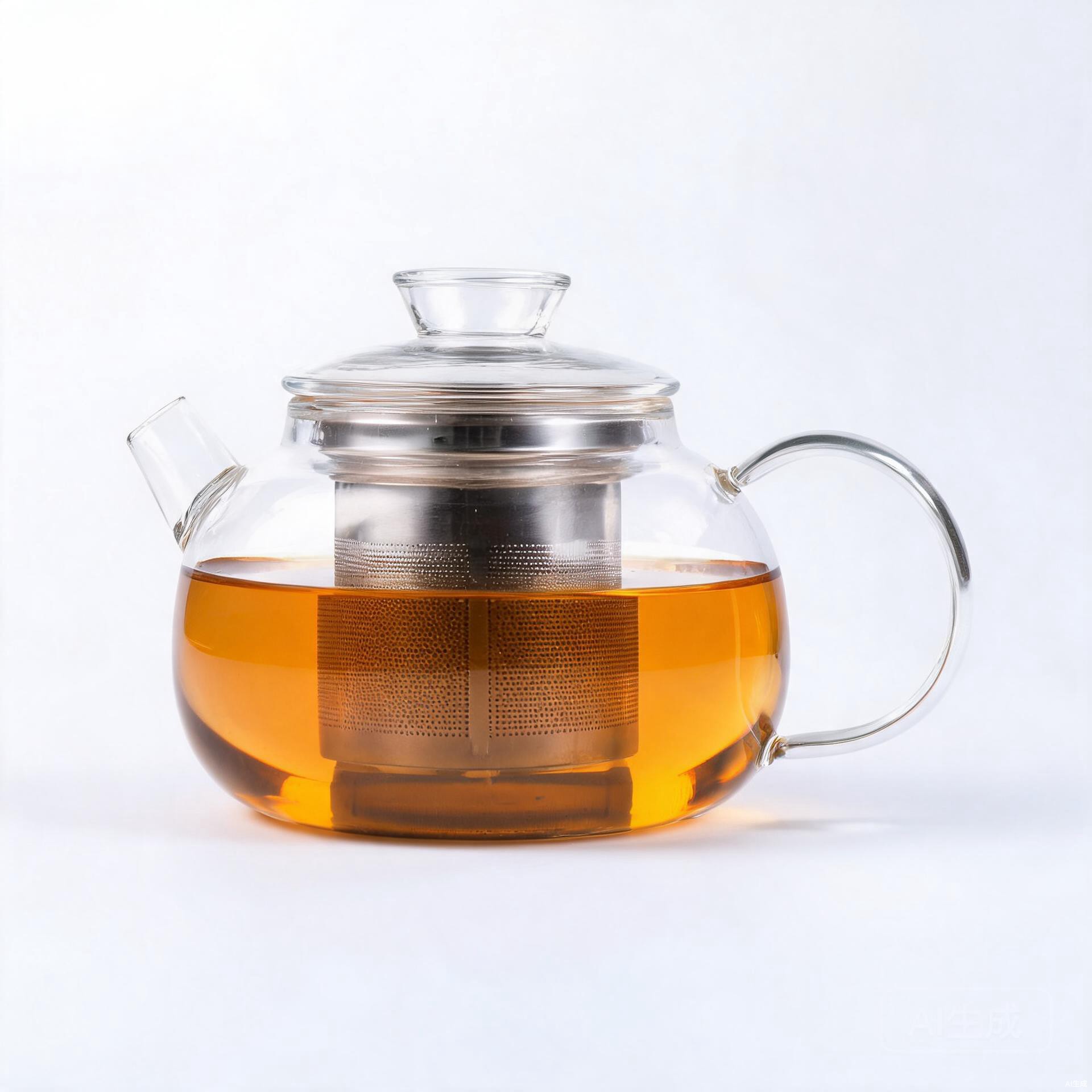
MESNEY 61oz Large Glass Teapot
1.8L of iced Ceylon for a table, and the wide mouth takes ice and lemon slices easily.
Buy Now
17oz Double Walled Glass Mug
A single generous cup that keeps a bright, clear liquor hot to the last sip without burning your hands.
Buy NowAs an Amazon Associate, MESNEY earns from qualifying purchases. Prices and availability are subject to change.