How Much Caffeine Is in Tea vs Coffee: A Complete Chart in Milligrams
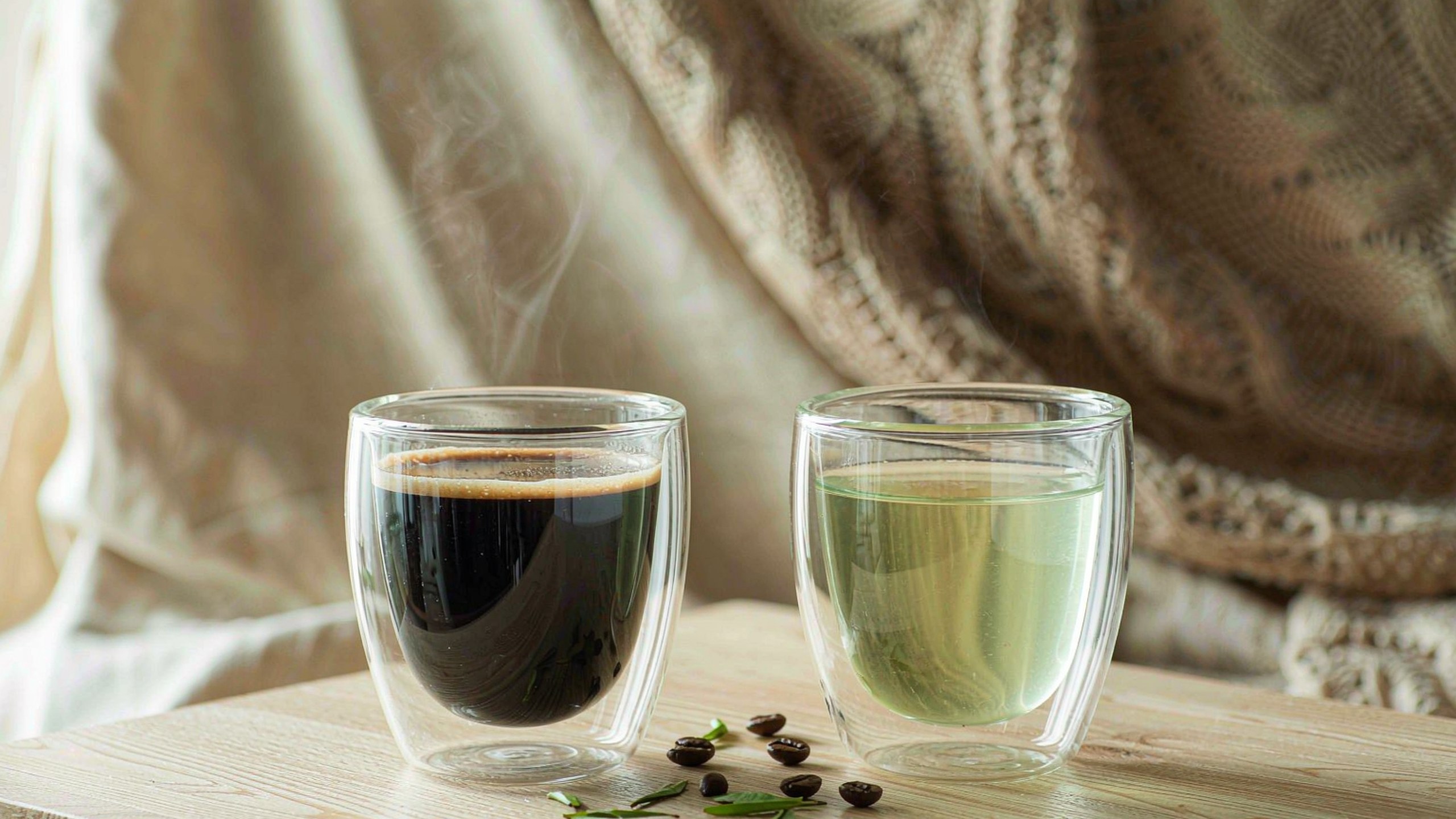
Cup for cup, brewed coffee carries roughly double the caffeine of tea. A standard 8 oz cup of drip coffee sits near 95 mg, while the same volume of black tea averages about 47 mg, green tea about 28 mg, and white tea about 20 mg. Herbal infusions contain none at all. The single exception is matcha, which lands around 65 mg because you drink the whole ground leaf.
But the milligram count is only half the story. Tea and coffee deliver their caffeine differently, and for a lot of people that difference matters more than the number. This guide gives you the full chart, explains why tea feels gentler, and shows which brewing choices move the figure most.
The Caffeine Chart: Tea vs Coffee by the Cup
Values are for a standard 8 oz (240 ml) serving unless noted. Ranges are wide because caffeine depends on how much leaf or ground you use, how hot the water is and how long it steeps — not just on the type of plant. The average column is the figure to use for planning a day.
| Drink | Serving | Typical range | Average |
|---|---|---|---|
| Brewed coffee (drip) | 8 oz | 80–100 mg | 95 mg |
| Espresso | 1 oz shot | 47–75 mg | 63 mg |
| Decaf coffee | 8 oz | 2–5 mg | 3 mg |
| Matcha (1 tsp whisked) | 8 oz | 60–80 mg | 65 mg |
| Yerba mate | 8 oz | 50–90 mg | 65 mg |
| Black tea | 8 oz | 40–70 mg | 47 mg |
| Chai (spiced black tea base) | 8 oz | 25–50 mg | 40 mg |
| Pu-erh | 8 oz | 30–70 mg | 40 mg |
| Oolong tea | 8 oz | 30–55 mg | 38 mg |
| Green tea | 8 oz | 20–45 mg | 28 mg |
| White tea | 8 oz | 15–30 mg | 20 mg |
| Decaf tea | 8 oz | 2–10 mg | 5 mg |
| Herbal infusion (chamomile, peppermint, rooibos, hibiscus) | 8 oz | 0 mg | 0 mg |
Put simply: you would need roughly two cups of black tea to equal one cup of drip coffee, three cups of green tea, or four to five of white tea. That gap is what makes "switch to tea" a workable way to reduce caffeine without giving up a hot drink — you are halving or quartering the dose per cup rather than removing it.
Why Tea Feels Different From Coffee
Ask tea drinkers why they prefer it and most describe the same thing: a steadier, calmer alertness rather than a spike. The milligram chart alone does not explain that, because the two drinks differ in more than quantity.
The main reason is L-theanine, an amino acid found almost nowhere else in the diet and abundant in tea, particularly in shaded green teas such as matcha and gyokuro. It is studied for its ability to modulate how caffeine feels, and the widely reported experience is a smoother, more sustained lift without the jitteriness a strong coffee can produce.
The delivery curve matters too. Coffee's caffeine tends to arrive quickly and all at once, while tea is usually sipped slowly from a smaller vessel across a longer window, so the dose spreads out. In practice, a person drinking three cups of green tea over an afternoon absorbs far less caffeine at any one moment than someone drinking one large coffee in ten minutes.
Worth being honest about one thing, though: tea is not a light drink for everyone. Matcha and strong black teas are genuinely caffeinated, and a large café-sized matcha latte can carry as much as a cup of coffee. If you are sensitive, the chart above matters more than the folklore.
The Four Things That Change the Number
Caffeine content is far more variable in tea than in coffee, because tea is usually brewed freehand. Four factors do most of the work.
- How much leaf you use. More dry leaf means more caffeine, regardless of type. A generous spoon of green tea can out-caffeinate a stingy spoon of black.
- Water temperature. Hotter water extracts caffeine faster, which is one reason a delicate green tea brewed cool lands lower than a black tea brewed at a full boil. Our brewing temperature guide covers the targets.
- Steep time. Caffeine keeps extracting for as long as the leaf stays in the water. A black tea steeped one minute carries perhaps half the caffeine of the same tea steeped five minutes.
- Leaf size and form. Broken leaf and tea bags release caffeine faster than whole loose leaf, because more surface area is exposed. Matcha is the extreme case — the leaf is a powder you consume entirely, so all of its caffeine ends up in the cup.
The flavour trap: caffeine and strength of taste are not the same thing. A pale, mild green tea brewed hot and long can carry more caffeine than a dark, malty black tea steeped briefly. Judging caffeine by how strong the cup tastes will mislead you.
Caffeine in Green Tea vs Black Tea
The two teas people compare most often sit about one step apart. Steeped green tea lands around 20–45 mg per cup and black tea around 40–70 mg, so black tea is roughly one and a half to two times the green — a much smaller gap than the one between either of them and coffee.
The intriguing part is that the difference is not mainly in the leaf. Green and black tea come from the same plant; the leaf is simply oxidised fully for black and barely at all for green. Caffeine is broadly similar in the dry leaf. What separates the cup is how you brew it: black tea conventionally wants water at 200–212°F (93–100°C), while green tea is brewed ten to forty degrees cooler. Hotter water, and often a longer steep, extracts more of everything — caffeine included. Brew a green tea at boiling point and a black tea gently, and the two can swap places.
Matcha Is the Exception Among Teas
Matcha is made from the same plant as green tea, but the leaf is stone-ground into a fine powder that you whisk into water and drink whole rather than steeping and discarding. Nothing is left behind, so a matcha serving routinely lands at 60–80 mg — close to a light coffee, and roughly double a steeped green tea.
If you enjoy matcha for its flavour but not its caffeine, a smaller serving is the simplest lever. See our matcha versus coffee comparison for a full side-by-side, and the matcha preparation guide for quantities.
How to Lower the Caffeine in Tea Without Losing Flavour
You do not have to abandon real tea to drink less caffeine. These adjustments work, in rough order of effectiveness:
- Steep cooler and shorter. The biggest single lever, and it improves the taste of green and white tea rather than hurting it.
- Use less leaf, more water. A slightly weaker cup of the tea you love beats a cup of something you do not.
- Choose the type deliberately. White tea averages around 21% of a coffee's caffeine, green tea around 29%, black tea around half.
- Move to hojicha or genmaicha. Roasted and blended Japanese teas sit at the bottom of the green tea range — hojicha is one of the lowest-caffeine true teas there is. See our hojicha guide.
- Switch to herbal in the evening. Chamomile, peppermint, rooibos and hibiscus contain none at all. Our herbal tea guide and evening tea guide cover the options.
One popular trick deserves a caution. The idea that a thirty-second "rinse" pour removes most of the caffeine is not well supported — caffeine extracts steadily across the whole steep rather than all at the start, so discarding the first pour removes some but nowhere near all of it. Adjusting temperature and time is the more reliable route.
Decaf, Honestly
Decaf coffee is not caffeine-free; it typically retains 2–5 mg per cup. Decaf tea is similar, usually 2–10 mg. For most people that is negligible — you would need a dozen cups to match one regular coffee. If you are avoiding caffeine entirely, a decaffeinated tea still beats a herbal infusion on flavour, and a herbal infusion is the only genuinely zero option.
As general guidance, the figure most often cited for healthy adults is up to around 400 mg of caffeine a day — roughly four cups of coffee, or eight cups of black tea. Sensitivity varies widely between individuals, and this article is general information rather than medical advice. If you are pregnant, breastfeeding, or managing a health condition, follow the guidance of a qualified healthcare professional rather than a chart.
Frequently Asked Questions
Does tea have less caffeine than coffee?
Yes, cup for cup. Brewed coffee averages about 95 mg per 8 oz, black tea about 47 mg, green tea about 28 mg and white tea about 20 mg. You would need roughly two cups of black tea to match one cup of coffee.
Which tea has the most caffeine?
Matcha, at around 65 mg per serving, because you consume the whole ground leaf instead of straining it. Among steeped teas, strong black teas such as Assam and breakfast blends sit highest, with yerba mate comparable.
Is green tea caffeine-free?
No. Green tea contains roughly 20–45 mg per cup, so it is lower than black tea but not caffeine-free. Only herbal infusions — chamomile, peppermint, rooibos, hibiscus — contain none at all, because they are not made from the tea plant.
Why does tea feel gentler than coffee if it still contains caffeine?
Two reasons: it delivers less per cup, and it contains L-theanine, an amino acid studied for smoothing the way caffeine feels. Tea is also usually sipped slowly from a smaller cup, which spreads the dose over a longer period.
Can I make tea with less caffeine without buying decaf?
Yes. Steep at a lower temperature for a shorter time and use slightly less leaf. A cool, brief steep of white or green tea delivers a fraction of the caffeine of a long, near-boiling black tea — and usually tastes better too.
Final Thoughts
The caffeine question has a short answer and a long one. The short answer: coffee carries roughly twice the caffeine of black tea and three to four times that of green or white tea, while herbal infusions carry none. The long answer is that your brewing choices move the number as much as your choice of leaf does, which means you have far more control than the label suggests.
Because so much of that control comes down to temperature and time, a clear vessel that lets you watch the brew is genuinely useful — you can see the colour deepen and pull the leaves before the extraction runs long. Our picks:

40oz Glass Teapot with Infuser
A clear body and roomy infuser let you judge the colour of the brew as it develops, which is the most practical way to keep a green or white tea in the low-caffeine, sweet-tasting part of its steep.
Buy Now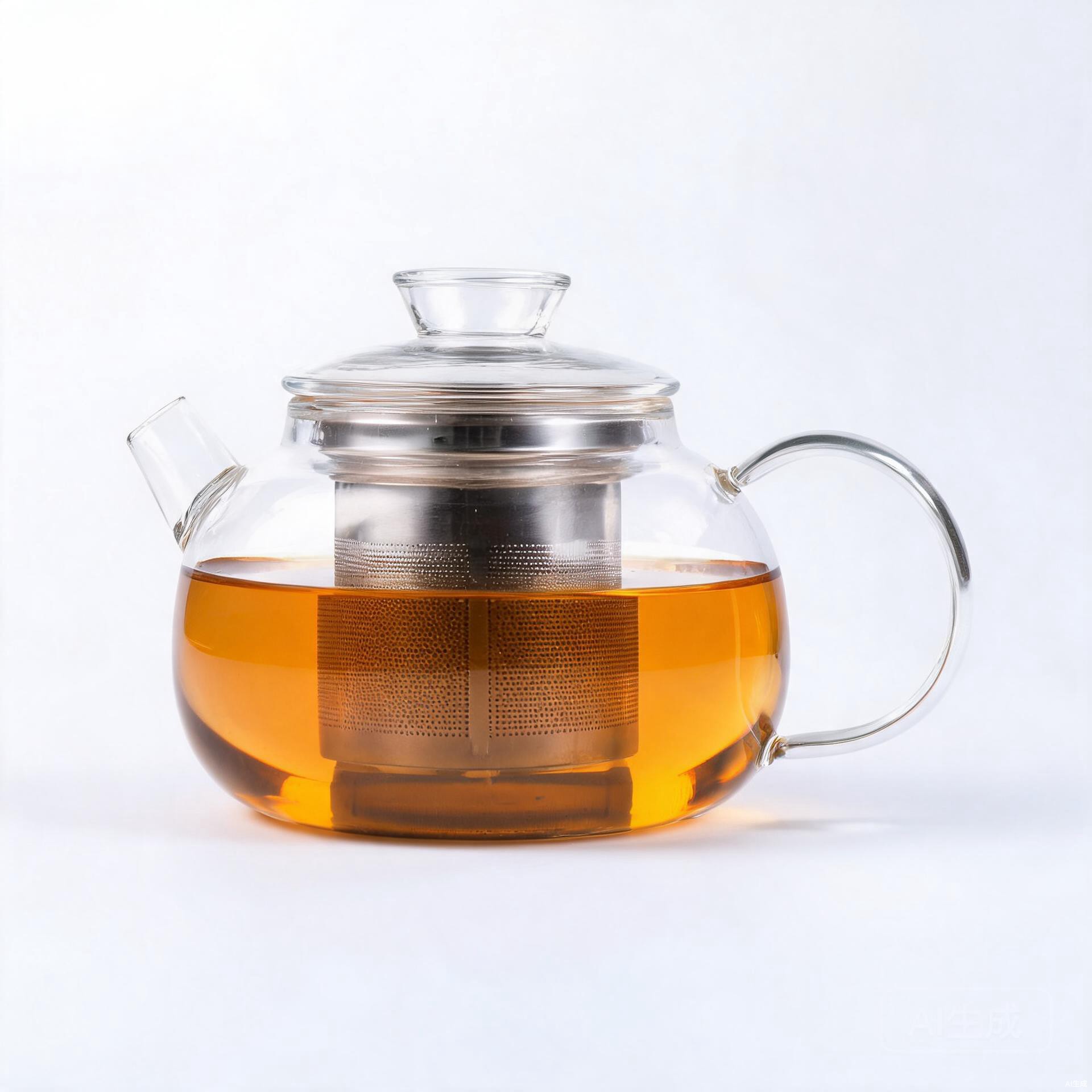
MESNEY 61oz Large Glass Teapot
1.8L for a full pot of low-caffeine white or hojicha to share through the afternoon without topping up the kettle.
Buy Now
17oz Double Walled Glass Mug
Double walls keep a cooler-brewed tea warm to the last mouthful, so a low-temperature, low-caffeine cup still drinks like a proper hot drink.
Buy NowAs an Amazon Associate, MESNEY earns from qualifying purchases. Prices and availability are subject to change.