Irish Breakfast Tea: A Complete Guide to a Bold Morning Cup
Irish breakfast tea is a bold, brisk black tea blend — usually built mostly on Assam with a little Ceylon or Kenyan leaf added for brightness — designed to be drunk strong, hot, and with milk. It is the fullest-bodied of the classic breakfast teas, and one of the most forgiving blends you can keep in the cupboard.
This guide covers what is actually in an Irish breakfast blend, how it differs from English breakfast, how much caffeine it contains, how to brew it so it stays smooth instead of bitter, and the tricks for making the perfect milky morning cup.
What Is Irish Breakfast Tea?
Irish breakfast tea is a blend, not a single-origin tea. Despite the name, the leaves do not have to come from Ireland — the name describes a style of blend favored in Ireland, where tea is traditionally drunk strong, dark, and generously cut with milk.
The backbone of the blend is Assam, the malty, full-bodied black tea grown in northeastern India. Assam gives Irish breakfast its weight, its deep copper color, and its ability to stand up to a splash of milk without going thin. Most blenders add smaller proportions of Ceylon for a citrusy lift, and sometimes Kenyan leaf for a brisk, bright edge. The result is a cup that is stronger and rounder than English breakfast, with less floral aroma and more malt.
Like all fully oxidized black teas, Irish breakfast is a true tea rather than a tisane, and it contains caffeine.
Irish Breakfast vs. English Breakfast
The two blends sit on the same shelf but are not interchangeable. English breakfast tends to be softer and more aromatic, often with Keemun or Darjeeling in the mix; Irish breakfast leans hard on malty Assam and is deliberately stronger.
| Irish Breakfast | English Breakfast | |
|---|---|---|
| Base | Assam-dominant, usually a two or three tea blend | Assam often blended with Keemun, Ceylon, or Darjeeling |
| Flavor | Malty, brisk, deeply savory | Rounded, gently floral, lighter |
| Body | Very full | Medium to full |
| Liquor color | Deep reddish-brown | Medium amber to copper |
| Milk | Practically assumed | Common but optional |
| Best for | A strong wake-up cup | An all-day all-rounder |
If you want the single-origin version of the same style, our Assam tea guide covers the malty base leaf on its own, and the English breakfast guide covers the softer cousin.
What Irish Breakfast Tea Tastes Like
Bold and malty first, with a brisk, slightly drying tannin behind it. A good Irish breakfast has a deep, bready sweetness — think dark toast and malt — and a long, warming finish. Because the blend is built for milk, the flavors are deliberately big: dilute it and you still taste tea.
It is not a delicate cup. If you normally drink first-flush Darjeeling or a light green tea, Irish breakfast will feel like a different drink entirely: darker, heavier, and far more assertive.
Irish Breakfast Tea Caffeine
An 8oz cup of Irish breakfast contains roughly 50–80mg of caffeine — at the upper end of the black tea range, and comparable to a small coffee. Two things push it high: the blend is Assam-heavy, and it is usually brewed longer and hotter than lighter teas, which extracts more caffeine.
That makes it a genuine morning tea rather than an evening one. If you want a lower-caffeine black tea for the afternoon, a Ceylon or a Darjeeling brewed short is a better fit, and for the evening a caffeine-free infusion such as roasted barley tea works well.
How to Brew Irish Breakfast Tea
Irish breakfast is one of the easiest teas to brew well because it is so tolerant. It wants near-boiling water and a proper three-to-five-minute steep — the two things that ruin delicate teas are exactly what this blend needs.
Classic Hot Irish Breakfast (one 10oz cup)
- 1 heaped teaspoon (about 2.5g) loose-leaf Irish breakfast, or 1 tea bag
- 10 oz (300 ml) water at 205–212°F (96–100°C)
- A splash of milk, to taste
Method:
- Bring fresh water to a full boil. This blend is built for heat; water below about 200°F produces a flat, hollow cup.
- Warm your glass teapot or mug with hot water, then discard it.
- Add the leaves and pour the boiling water over them. Watch the liquor bloom outward and deepen to a rich reddish-brown.
- Steep 3 minutes for a brisk cup or 4–5 minutes for the full, traditional strength.
- Lift out the infuser basket and add milk. Pour the milk in after the tea so you can judge the color.
Add leaf, not time, for a stronger cup. Pushing the steep past five minutes does not add body — it adds harsh tannin. If the cup tastes weak, use another half-teaspoon of leaf instead.
The Proper Milky Cup
Irish breakfast was designed to be drunk with milk, and getting the ratio right is most of the pleasure. The traditional approach is simple: brew the tea strong in the cup, then add milk until the color settles into a warm, even brown.
Irish Breakfast with Milk (one mug)
- 2 teaspoons loose-leaf Irish breakfast
- 8 oz (240 ml) water at 205–212°F
- 2 oz (60 ml) whole milk, or to taste
- Optional: 1 teaspoon sugar
Method: steep the leaves in the full 8 oz of water for a full 5 minutes, then remove them. Warm the milk separately and pour it into the tea in a slow stream. Sweeten if you like. Whole milk gives the roundest result; the fat carries the malt aromas that skim milk flattens.
Iced Irish Breakfast Tea
Because the blend is so full-bodied, it holds its character when chilled — unlike lighter teas, which can taste watery over ice.
Iced Irish Breakfast (1 liter)
- 4 tablespoons (about 12g) loose-leaf Irish breakfast, or 5 tea bags
- 1 liter (4 cups) water at 205–212°F
- Ice, plus milk or lemon to serve
Method: steep for 5 minutes, then strain immediately — a blend this strong turns astringent fast if left on the leaves. Cool to room temperature, then refrigerate. Serve over ice, with a splash of milk if you want it creamy or a slice of lemon if you want it brisk. For a smoother result with no bitterness at all, cold-brew the leaves overnight instead. Our cold brew tea guide covers the method.
How to Choose Irish Breakfast Tea
- Check that Assam leads the blend. The strongest blends list Assam first. If the first ingredient is vague, the cup is likely to be thin.
- Prefer whole leaf. Whole-leaf blends taste cleaner, re-steep better, and are far better value per cup than the fannings used in most bags. Our loose leaf setup guide walks through the basics.
- Look for golden tips. A scatter of gold among the dark leaves signals a better grade and a sweeter, less harsh cup.
- Buy small amounts more often. Black tea keeps well for a year, but the malt fades. Store it airtight, dark, and away from the kettle.
Three Mistakes to Avoid
1. Steeping it for ten minutes. Longer does not mean stronger — it means bitter. The blend already extracts fast; five minutes is the ceiling.
2. Using water that has gone off the boil. Irish breakfast needs near-boiling water. If the kettle has been sitting, reboil it.
3. Squeezing the tea bag. Pressing releases harsh tannin. Let the basket drip and lift it out cleanly.
Frequently Asked Questions
Is Irish breakfast tea stronger than English breakfast?
Yes. Irish breakfast is built on a higher proportion of malty Assam, so it brews darker, fuller, and more briskly tannic. English breakfast is softer and more aromatic.
How much caffeine is in Irish breakfast tea?
Roughly 50–80mg per 8oz cup — at the top of the black tea range and close to a small coffee. Steeping for three minutes rather than five reduces it somewhat.
Should you put milk in Irish breakfast tea?
It is traditionally drunk with milk, and the blend is designed for it. The full body and brisk tannin hold up to dairy instead of disappearing behind it.
Does Irish breakfast tea come from Ireland?
Not necessarily. The name describes an Irish style of blend, not a country of origin — the leaves are typically Assam from India with Ceylon or Kenyan tea added.
Final Thoughts
Irish breakfast tea is the most dependable strong cup in the cupboard: malty enough to stand up to milk, brisk enough to wake you up, and tolerant enough that it is hard to brew badly. Boil the water, steep three to five minutes, add milk, and it delivers every time.
Because it brews to such a deep reddish-brown, it is a great tea to make in clear glass — a borosilicate teapot lets you watch the liquor darken and pull the leaves at exactly the right moment, and a double-walled mug keeps a strong cup hot to the end. These are the pieces we use:

40oz Glass Teapot with Infuser
The deep infuser basket holds a full heaped teaspoon of blend and lifts out clean before the tannins turn harsh, and the clear borosilicate body shows the liquor deepening to a rich reddish-brown as it steeps.
Buy Now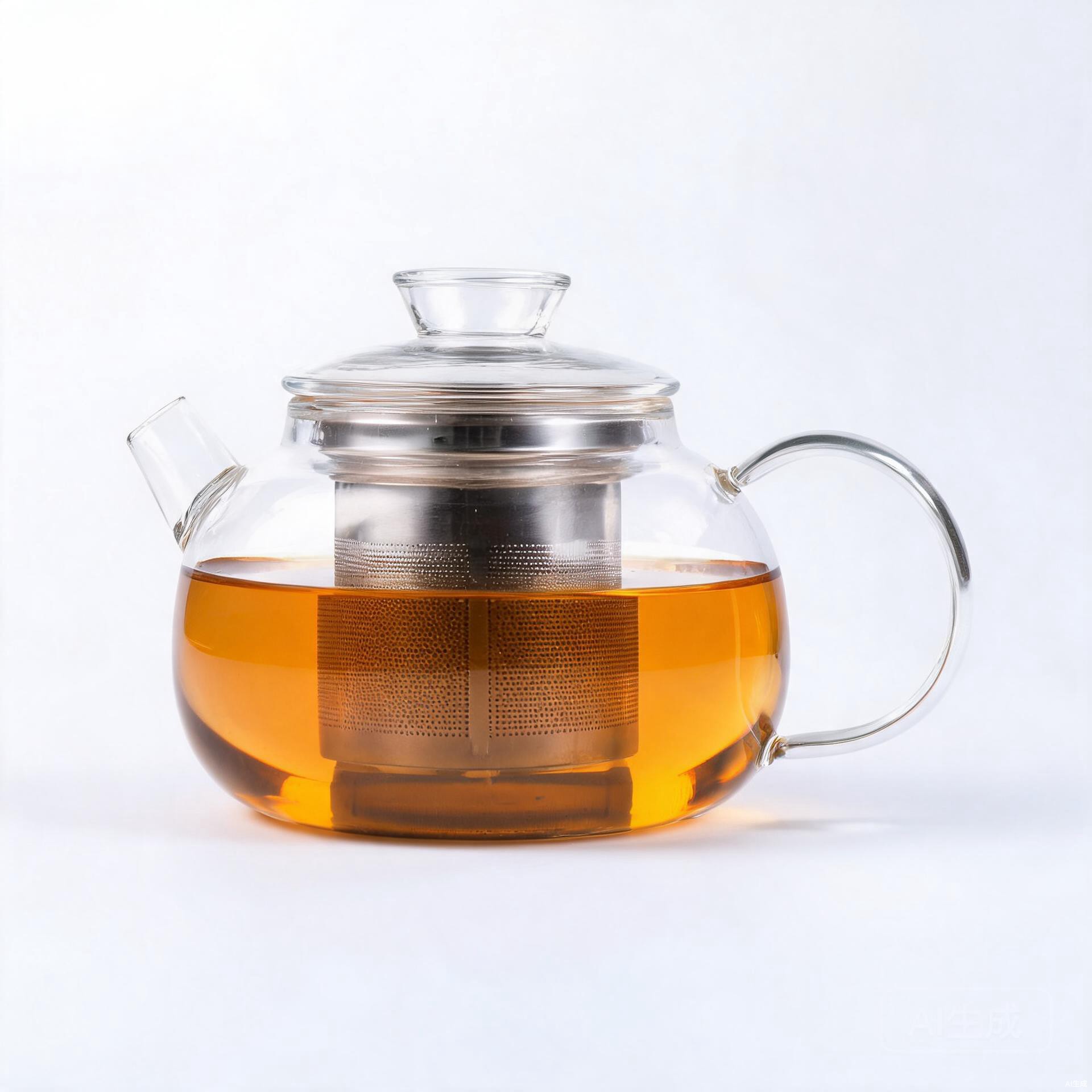
MESNEY 61oz Large Glass Teapot
1.8L brews four generous breakfast cups in one pour and can go straight onto the table for a second round.
Buy Now
17oz Double Walled Glass Mug
A single generous cup that keeps a hot, amber infusion warm to the last sip without burning your hands.
Buy NowAs an Amazon Associate, MESNEY earns from qualifying purchases. Prices and availability are subject to change.