There is something undeniably special about a perfectly layered latte served in a clear glass cup. The dark espresso settling beneath a gradient of steamed milk, topped with a delicate crown of microfoam, is a small work of art that turns an ordinary morning into a cafe moment. But at $4 to $6 per cup, that daily cafe habit adds up fast. The good news? With the right technique and the right glassware, you can recreate that cafe-quality experience at home for a fraction of the cost.
This complete guide covers everything you need to know about making lattes at home in glass cups: why transparent drinkware matters, how to pour like a barista, the difference between a latte, cappuccino, and flat white, and how to choose the perfect latte glasses for your kitchen.
Why Glass Latte Cups Show Off Your Drinks
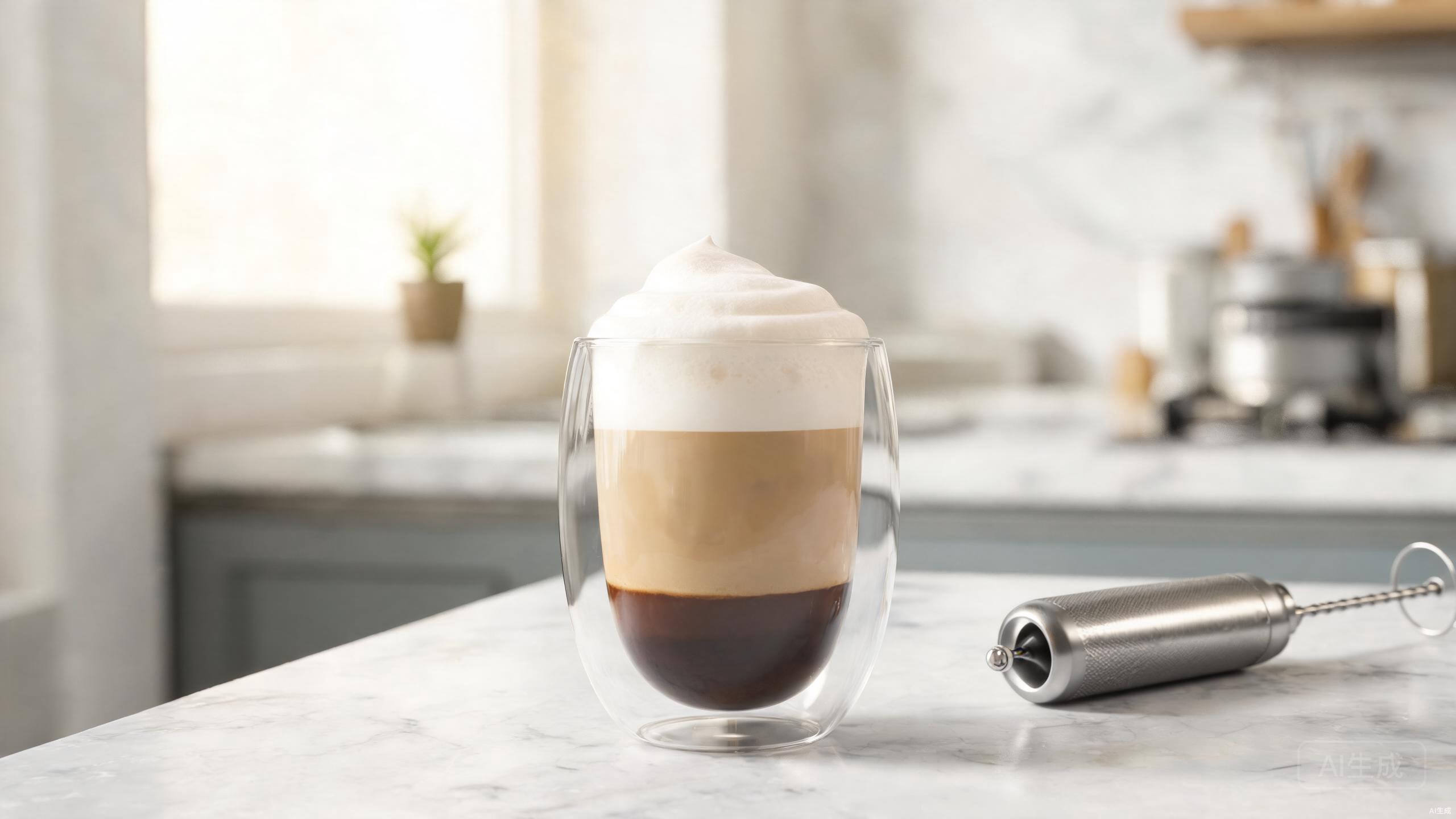
The defining feature of a latte is its layers. A traditional latte is built from a shot of espresso, steamed milk, and a thin layer of microfoam, and the visual transition between these elements is half the pleasure. When you serve a latte in an opaque ceramic mug, those layers disappear the moment the drink is poured. You are left with a single uniform color and none of the gradient that makes a cafe latte so appealing.
Glass latte cups solve this problem entirely. A transparent glass cup turns your drink into a visual experience. You can watch the espresso bloom upward through the milk, see the rich brown base fade into creamy white, and admire the pale gold microfoam resting on top. For anyone who values presentation, and let us be honest, that is most of us who love cafe culture, glass coffee cups are the only choice that does justice to a carefully constructed latte.
This visual advantage is amplified when you use double wall espresso cups. The double-wall construction creates a clean, uninterrupted view of the liquid inside, with no condensation clouding the surface. The result is a drink that looks as if it is floating inside the glass, showcasing every layer in sharp detail. Whether you are making a classic vanilla latte or a seasonal pumpkin spice variation, coffee glass cups make the presentation worthy of a photograph.
The cup is the frame for your coffee. Choose glass, and every latte becomes a layered canvas you can see from every angle.
Why Double-Walled Glass Keeps Drinks Hot but Stays Cool to Touch
If you have ever wrapped a napkin around a scalding single-walled glass, you already understand the problem. Traditional glass conducts heat rapidly, which means hot coffee makes the cup too hot to hold and cold drinks cause the outside to sweat. Double walled glass coffee mugs eliminate both issues through a simple but ingenious design.
A double wall mug is made from two layers of borosilicate glass with a narrow pocket of air sealed between them. Air is a poor conductor of heat, so this gap acts as an insulating barrier. The inner wall holds your hot latte and transfers heat to the trapped air, but that heat cannot easily reach the outer wall. The result is a mug that keeps your drink hot for noticeably longer while remaining comfortable to hold with bare hands.
The same principle works in reverse for iced drinks. Cold beverages stay chilled, and because the outer wall stays at room temperature, there is no condensation. No water rings on your table, no slippery glass in your hand. For home baristas who like to experiment with both hot and cold drinks, double walled glass coffee mugs are the most versatile option available. To learn more about the science behind this construction, see our guide on the benefits of double-walled glass mugs.
How to Make a Cafe-Style Latte at Home
You do not need a commercial espresso machine to make a great latte. With a few basic tools and a little practice, you can produce cafe-quality results in your own kitchen. Here is a step-by-step method that works whether you use an espresso machine, a Moka pot, or even a strong AeroPress shot.
What You Need
- Freshly roasted espresso beans, ground fine
- An espresso machine, Moka pot, or AeroPress
- A milk frother (steam wand, electric frother, or French press)
- Whole milk or barista-grade oat milk
- A warmed glass latte cup
Step 1: Pull Your Espresso
Grind your beans to a fine, powdery consistency and pull a double shot of espresso, about 2 ounces. If you are using a Moka pot, fill the basket level and brew until you hear a gurgling sound. The goal is a concentrated, intense coffee base with a layer of golden crema on top. Crema is essential for both flavor and latte art, so aim for a fresh, even extraction.
Step 2: Steam and Froth Your Milk
Fill your milk pitcher about one-third full. If using a steam wand, position the tip just below the surface to introduce air for a few seconds, then submerge it to create a whirlpool that textures the milk into smooth microfoam. If using an electric frother or French press, heat the milk to about 150°F first, then froth until it doubles in volume with a glossy, paint-like texture. The milk should look like wet satin, not stiff peaks.
Step 3: Pour the Espresso into Your Glass Cup
Pour the espresso into your warmed glass latte cup. If you are using a transparent double wall cup, take a moment to admire the crema. This is where glass drinkware truly shines, letting you see the rich golden layer before the milk even touches it.
Step 4: Pour the Steamed Milk
Hold the glass cup at a slight angle and pour the milk from a low height, starting in the center. The milk should sink beneath the espresso initially, then rise to create the signature layered gradient. As the cup fills, bring it level and pour a little faster to let the white microfoam float to the surface. The contrast between the dark espresso and white foam is what creates that cafe-quality look.
Step 5: Add Latte Art
Once the cup is nearly full, pour a thin stream of milk from slightly higher up and move your pitcher in a gentle pattern to create a heart, rosetta, or tulip. Latte art in glass cups is especially rewarding because the design is visible through the walls, not just from the top.
A great latte is 80 percent technique and 20 percent tools. But the right glass cup is what lets you see the difference.
Cappuccino vs Latte vs Flat White: What's the Difference?
These three drinks all start with espresso and milk, but the ratios are what set them apart. Understanding the difference helps you order, and make, exactly what you want.
Cappuccino
A cappuccino is built on equal parts espresso, steamed milk, and milk foam, a 1:1:1 ratio. It is served in a smaller cappuccino cup, usually around 5 to 6 ounces, and features a thick, airy layer of foam on top. The flavor is bold and coffee-forward, with a light, fluffy texture.
Latte
A latte is milk-forward. It contains a double shot of espresso topped with about 6 to 8 ounces of steamed milk and only a thin layer of microfoam. Served in a larger glass cup, typically 10 to 12 ounces, a latte is creamy, smooth, and milder than a cappuccino. The higher milk ratio also makes it the ideal canvas for latte art.
Flat White
A flat white sits between the two. It uses a double shot of espresso with steamed milk that has very fine, velvety microfoam, but less foam than a cappuccino and less total milk than a latte. Served in a 5 to 6 ounce cup, it delivers a strong espresso flavor with a silky, integrated texture.
- Cappuccino: 1:1:1 ratio of espresso, steamed milk, and foam. Bold and airy. Served in a 5-6 oz cup.
- Latte: 1 part espresso to 3-4 parts steamed milk, thin foam. Creamy and mild. Served in a 10-12 oz glass cup.
- Flat White: Double shot with less milk and fine microfoam. Strong and silky. Served in a 5-6 oz cup.
Choosing the Right Glass Cup Size
Selecting the right glass cup comes down to what you drink and how much of it. Espresso purists need a different vessel than latte lovers, and the size of your cup directly affects the ratio of coffee to milk. Here are the best MESNEY glass cup options for every type of home barista.

6.7oz Double Wall Espresso Cups (Set of 2)
The ideal size for straight espresso, macchiatos, and flat whites. Double-wall borosilicate glass keeps shots warm while protecting your fingers and showcasing every layer of crema.
Buy on Amazon
17oz Double Walled Glass Coffee Mug (1pc)
Generous 17oz capacity gives you room for a double shot plus plenty of steamed milk. The perfect entry point into double wall latte glasses for the solo home barista.
Buy on Amazon
17oz Double Walled Glass Coffee Mugs (Set of 2)
A matched pair of 17oz double wall mugs, perfect for couples who enjoy morning lattes together. The same borosilicate insulation and floating-beverage effect in a convenient two-pack.
Buy on Amazon
17oz Double Walled Glass Coffee Mugs (Set of 4)
The best per-mug value for families and hosts. Four matching 17oz latte glasses that keep drinks hot and showcase every layer. Ideal for entertaining guests with cafe-style drinks.
Buy on AmazonWhich Size Is Right for You?
For espresso, macchiatos, and flat whites, the 6.7oz double wall espresso cups concentrate the aromas and maintain the proper drink ratio. For lattes, cappuccinos, and larger milk drinks, the 17oz double walled glass coffee mugs give you the space you need for a double shot plus 8 to 10 ounces of steamed milk and foam. The 17oz size is also versatile enough for iced lattes, drip coffee, tea, and even desserts like affogato.
- Solo latte drinker: The single 17oz mug at $8.99 is the most economical way to start.
- Couples: The set of 2 ensures you and your partner each have a matching glass.
- Families and hosts: The set of 4 offers the best value and enough cups for guests.
- Espresso and flat white lovers: The 6.7oz espresso cups are the right size for concentrated drinks.
Latte Art in Glass Cups: Tips for Beginners
Latte art is the signature of a skilled barista, and practicing at home is half the fun. Glass cups give you a unique advantage here: because you can see through the walls, you can watch how your pour affects the layers in real time and adjust your technique accordingly.
A few tips to get you started:
- Use freshly pulled espresso with a thick layer of crema. This is the canvas your foam will rest on.
- Texture your milk to a glossy microfoam, not stiff peaks. The milk should look like wet paint.
- Start pouring from low and slow to let the milk sink beneath the crema, then raise the pitcher and increase speed as the cup fills.
- Practice the basic heart first. It is the foundation for rosettas and tulips.
- Use a clear glass cup so you can see the milk flow and learn from every pour.
Cleaning and Caring for Your Glass Latte Cups
Quality glass drinkware will last for years with proper care. Here is how to keep your latte glasses looking crystal clear pour after pour.
Daily Cleaning
MESNEY double wall glass cups are dishwasher safe. Place them on the top rack to avoid direct contact with the heating element. For hand washing, use warm water and mild dish soap with a soft sponge. Avoid steel wool or abrasive scouring pads that can scratch the surface.
Removing Milk and Coffee Residue
Milk proteins and coffee oils can build up over time, leaving a cloudy film. To restore clarity, fill the cup with warm water and a teaspoon of baking soda, let it sit for 30 minutes, then scrub gently with a soft brush. A 50/50 mix of white vinegar and water works equally well for stubborn stains. Our complete guide to cleaning borosilicate glassware covers these methods in detail.
Avoiding Thermal Shock
Although borosilicate glass resists temperature changes far better than ordinary glass, avoid extreme swings. Never pour boiling liquid into a cold cup straight from the cabinet in winter, and let a hot cup cool to room temperature before rinsing with cold water. Gradual transitions keep your glass cup safe. To understand why borosilicate is so resilient, read our article on borosilicate glass safety.
Storage
If your mugs are stackable, place a soft cloth or felt pad between them to prevent rim chips. Store them upright in a cabinet away from heavy items that could shift and knock them over.
A clean glass cup is a beautiful glass cup. Rinse promptly after each use and your latte glasses will stay brilliant for years.
Final Thoughts
Making cafe-quality lattes at home is not about expensive equipment. It is about technique, fresh ingredients, and the right glassware. A transparent, double-walled glass cup transforms an everyday coffee into a visual and sensory experience that rivals anything you would pay $6 for at a cafe. Once you see those layers settle in crystal-clear borosilicate glass, you will never want to go back to an opaque mug.
Start with a single 17oz mug to perfect your pour, or invest in a full set so you can share the experience. Pair your latte glasses with a set of double wall espresso cups for shorter drinks, and you will have a complete home barista collection that looks as good as it performs.
Build Your Home Barista Collection Today
Choose from MESNEY's full range of double wall borosilicate glass latte glasses and espresso cups, available in sets of 1, 2, and 4. Find the perfect fit for your kitchen on Amazon.
Shop Glass Coffee Cups