Loose Leaf Tea vs Tea Bags: Which Is Actually Better?
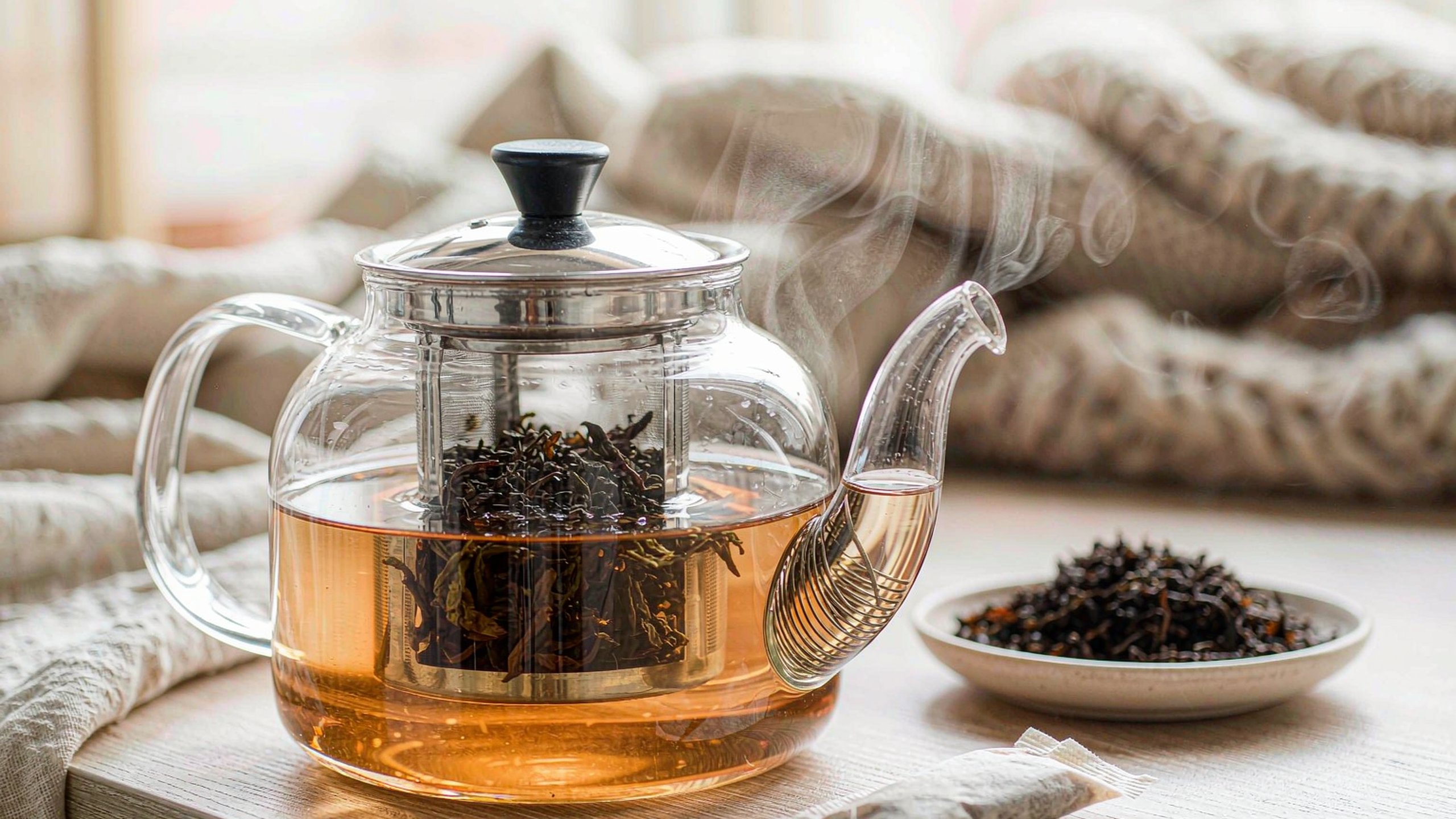
Loose leaf tea gives you better flavour, more control and a lower cost per cup. Tea bags give you speed, portability and almost no cleanup. The honest answer is that neither wins outright — it depends on whether you value a cup you can adjust or a cup you can make in a hotel room with a kettle and no equipment. What follows is the comparison on the six things that actually differ, plus how to brew loose leaf without turning it into a chore.
This is a comparison of formats, not a moral judgement about the people who use them. A well-made tea bag in a spacious sachet can come close to a mediocre loose leaf; a stale loose leaf in a cupboard will lose to a fresh bag every time.
What Is Actually Inside a Tea Bag
Commercial tea bags are filled with the smallest grades that come out of tea processing. After quality leaves are sorted by size, what remains is broken leaf and the fine material known as fannings and dust. These brew quickly and fit neatly inside a small paper pouch, which is exactly why they dominate the market — but small particles also give up their aroma fast and go from brisk to harsh in a very short window.
Loose leaf covers everything from whole intact leaves down to large broken pieces. Larger pieces have less exposed surface area per gram, so they release their flavour more slowly and more gradually, and the cup develops rather than arriving all at once. The volatile aromatic compounds that give good tea its top notes survive far better in a leaf that was never crushed to fit a bag.
The gap is not uniform, and it is worth being precise about that. Commodity bags filled with dust and quality loose leaf are two different products. But premium bags that use whole leaf in a roomy sachet narrow the difference considerably, and in a blind tasting the format alone would not tell you which cup was which.
Flavour and Aroma, Side by Side
Loose leaf has room to expand. That matters because tea leaves need space to unfurl before they release their flavour evenly, and a cramped bag limits how much of that can happen. Give whole leaves room in a wide infuser and you get layers: aroma, body, sweetness, a finish. Squeeze fannings into a small pouch and you get a faster, flatter, more one-dimensional version — often stronger in colour than it is in taste.
The practical test is simple and worth doing once. Brew the same tea in both formats in two glasses of the same size, using freshly drawn water at the right temperature, and taste both before adding anything. Compare aroma, body, bitterness and aftertaste rather than comparing the formats you expect to win.
The Real Cost Per Cup
Price per box is a poor way to compare tea. Price per drinkable cup is the number that matters, and it moves the comparison in a direction most people do not expect.
| Factor | Tea bags | Loose leaf tea |
|---|---|---|
| Upfront cost | Lower | Higher per pack |
| Leaf per cup | Fixed by the bag | You measure it |
| Re-steeping | Usually once, weakly | Two to four good infusions for many teas |
| Cost per cup | Often higher than the pack price suggests | Often lower once re-steeps are counted |
| Strength control | Time and water only | Leaf amount, space, time and temperature |
Because a whole-leaf tea can often be re-steeped two to four times — and an oolong or a pu-erh considerably more — the effective cost per cup can drop well below that of a premium box of bags. Green and black teas re-steep less reliably than oolong, white and pu-erh, so it is worth testing each tea rather than assuming every leaf gives you three cups.
Convenience, Honestly Compared
Tea bags win this one and it is not close. A bag is pre-measured, portable, needs no equipment and produces no leaves to clean up. Loose leaf needs one extra piece of kit — a teapot, a basket infuser or a strainer — and about forty seconds of measuring and rinsing.
That is the whole cost. Once a wide basket infuser lives beside the kettle, brewing loose leaf is the same sequence as brewing a bag: leaves in, water on, timer, leaves out. The friction is real but it is front-loaded; it is the first cup that feels like work, not the fiftieth.
The sensible division is by setting rather than by preference. Keep loose leaf for home, where the extra minute is repaid in the cup, and keep a good quality bag for travel, the office and anywhere you cannot rinse a filter. Our loose leaf setup guide covers the minimum kit, and if you are choosing a pot for it, the teapot with infuser guide explains what to look for.
The Plastic Tea Bag Question
Not every tea bag is the same material, and the distinction matters. Paper bags and unbleached sachets behave very differently from the mesh pyramid bags made from food-grade plastic, which do not fully break down in a municipal compost system.
A widely reported study published in the journal Environmental Science & Technology in 2019 steeped a single plastic tea bag at brewing temperature and measured billions of micro- and nanoplastic particles released into the water. The study looked specifically at plastic mesh bags, not paper ones, and it measured particle release rather than health outcomes. The reasonable reading is not alarm about all tea, but a preference for paper, unbleached or certified compostable sachets if you use bags at all — and an argument for loose leaf on grounds of packaging waste regardless of any question about the material inside.
Loose leaf is not automatically plastic-free, since it still arrives in a bag or a tin. It does generally use less single-serving packaging, which is a straightforward difference worth noting.
How to Brew Loose Leaf Tea Without Fuss
The method is four steps and one decision. Put the leaves in, add water at the right temperature, time the steep, then remove the leaves so the brew stops.
- Measure, do not guess. Roughly one teaspoon of leaf per cup for most teas, a heaped teaspoon for large-leaf herbals and a little less for a fine green.
- Give the leaves room. A wide basket infuser or a glass teapot with a removable infuser lets whole leaves unfold, which is the single easiest improvement to make.
- Match the water to the tea. Delicate greens want cooler water; black tea, pu-erh and herbal infusions want it just off the boil. Our steeping time guide pairs each with its timer.
- Lift the leaves out. Leaving them in keeps extracting, and past a point the cup turns drying rather than stronger.
Glass earns its place here for a reason beyond looks. When you can see the colour deepen, you stop needing a stopwatch for every tea — you learn what a finished cup looks like for each leaf and pull the infuser at the right moment. If your pot is borosilicate and prone to tea stain with heavy use, the cleaning guide covers the fix.

40oz Glass Teapot with Infuser
A removable stainless infuser lets whole leaves unfold properly in the water, and the clear body shows the colour developing so you know exactly when to lift the basket out.
Buy Now
17oz Double Walled Glass Mug
If you brew one cup at a time, a 17oz double-wall glass keeps a full mug hotter for longer and shows the leaf colour without a separate pot.
Buy Now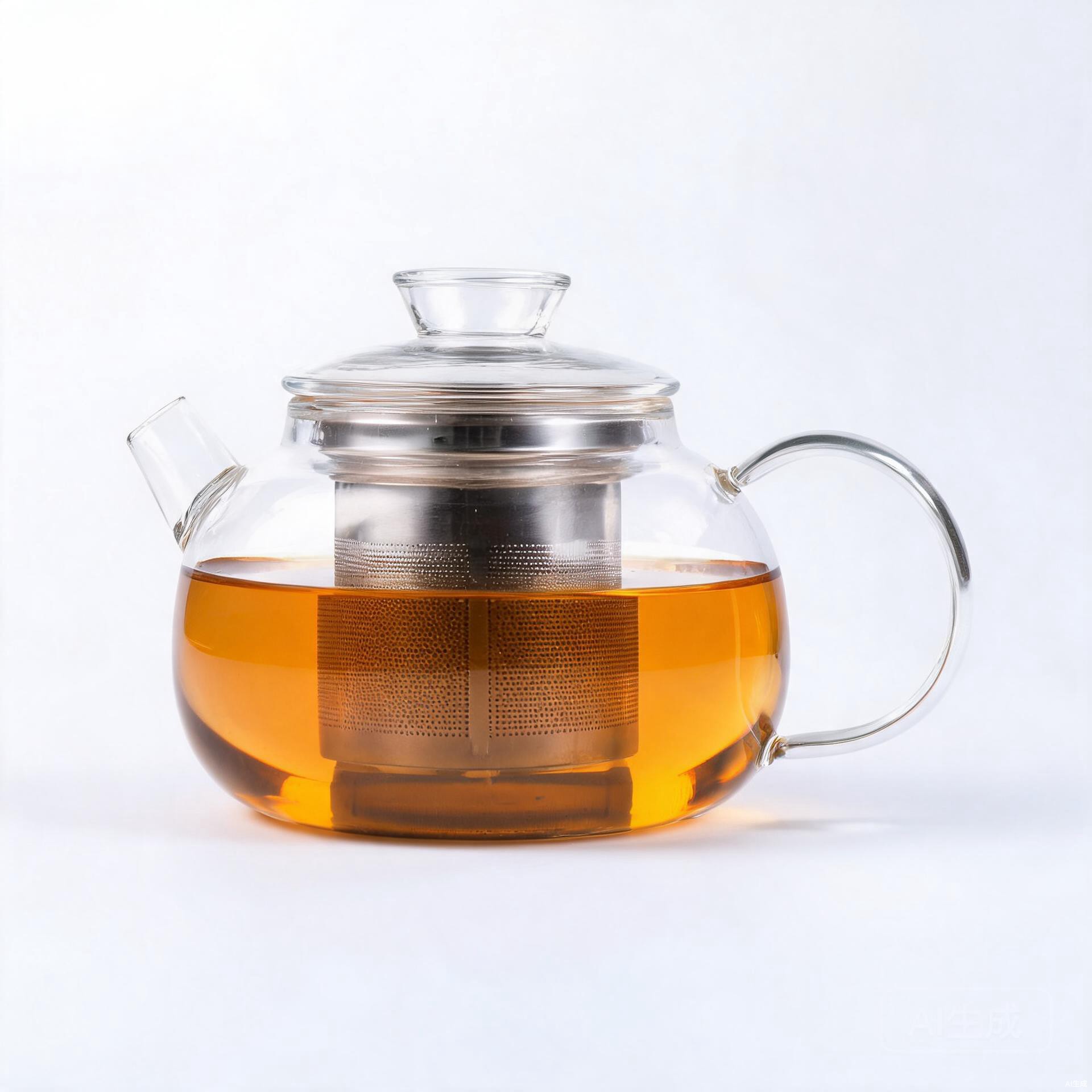
MESNEY 61oz Large Glass Teapot
A 1.8L pot brews four or five cups from one measured batch, which is the point at which the cost per cup advantage of loose leaf becomes obvious.
Buy NowWhich Should You Choose?
Choose loose leaf if you drink tea regularly at home, if you want to adjust strength by leaf amount rather than by steeping time, if you want to re-steep, or if you care about how much packaging comes with each cup. Choose bags if your tea is brewed in an office kitchen, on a train or in a hotel room, or if the choice is between a good bag and no tea at all.
The most useful position is not picking a side but keeping both. Loose leaf at home, where the extra minute is rewarded; a decent bag in the bag you actually carry, where convenience is the whole point. Our glass teapot brewing guide and green tea bags guide go deeper on each format in the specific case of green tea.
Frequently Asked Questions
Is loose leaf tea actually better than tea bags?
Usually, on flavour, aroma and cost per cup, because whole leaves release their flavour more gradually and can often be re-steeped. But the gap narrows with premium bags that use whole leaf in a roomy sachet — the format matters less than what is inside it.
Does loose leaf tea have more caffeine than tea bags?
Not inherently. Caffeine depends on the tea variety, the leaf weight and the steep time. Loose leaf does give you control over the leaf weight, which makes the caffeine level easier to manage deliberately.
Can I put loose leaf tea straight into a mug?
You can, but you will want a strainer to remove the leaves, and a wide basket infuser makes it far easier to stop the brew at the right moment. Leaves left in the mug keep extracting and turn the cup drying.
How much loose leaf tea should I use per cup?
About one teaspoon per cup for most teas, a heaped teaspoon for large-leaf herbals and slightly less for a fine green. Adjust to taste rather than trusting the number blindly, since leaf size changes the weight in a spoon.
Is loose leaf tea more expensive?
Per pack, usually yes. Per cup, often no — a quality whole leaf can be re-steeped two to four times, which brings the effective cost down below many premium bags. Compare cost per prepared cup, not shelf price.
What is the easiest way to start with loose leaf tea?
Buy one tea you already know you like in bag form, and one wide basket infuser or a glass teapot with a removable infuser. Brew the same tea both ways once and compare them side by side before deciding anything else.
Final Thoughts
The loose leaf versus tea bag question is really a question about what you are optimising for. Bags optimise for speed, portability and cleanup. Loose leaf optimises for flavour, control and the cost of the cup you actually drink. Both are legitimate; only one of them gives you a dial to turn when the tea is not quite right.
If you make the switch, do it with one piece of kit and one tea rather than a shelf of equipment. Give the leaves room, watch the colour, and pull the infuser at the right moment — at which point the comparison stops being theoretical.
As an Amazon Associate, MESNEY earns from qualifying purchases. Prices and availability are subject to change.