Marshmallow Root Tea: Benefits and How to Brew It

Marshmallow root tea is a mild, faintly sweet herbal infusion made from the root of the marshmallow plant — not the candy, but Althaea officinalis, a European roadside herb whose root releases a soothing gel when it meets water. It is caffeine-free, and it is one of the most searched herbal teas in the United States.
This guide explains what marshmallow root tea is, why its texture is so unusual, how it has been used traditionally, how to brew the root or the powder, the cold-infusion method that gets the best out of it, and who should be careful with it.
A note before we start: this article describes a traditional herbal infusion and general information about it. It is not medical advice. If you are pregnant, nursing, taking medication, or managing a health condition, speak to a qualified healthcare professional before using it.
What Is Marshmallow Root Tea?
Marshmallow — Althaea officinalis — is a tall, pale-flowered plant native to Europe and western Asia, related to hollyhock and hibiscus. The original marshmallow confection was made from its root, which is where the sweet gets its name; today's marshmallows contain none of it.
The tea is made from the dried root, sold either as cut pieces or as a pale tan powder. Because it contains no Camellia sinensis leaves, marshmallow root tea is a tisane rather than a true tea, and it is entirely caffeine-free. It has a very long history in European herbal practice, and it is the close botanical cousin of slippery elm bark, which behaves in almost exactly the same way.
Why Marshmallow Root Tea Feels Unlike Any Other Tea
Almost every tea you have drunk is thin. Marshmallow root tea is not. The root is rich in mucilage — a slippery, gel-like polysaccharide that dissolves into hot or cold water and gives the infusion a soft, slightly viscous body, somewhere between a very light syrup and a thin soup.
That same mucilage is the reason the root has been used traditionally as a gentle, coating drink for the throat and digestive tract. In herbal practice it is what is called a demulcent: a substance taken to soothe and protect irritated mucous membranes. It is worth being clear about what that means — a demulcent can feel comforting, but feeling soothing is not the same as treating a condition.
Marshmallow Root Tea Benefits and Traditional Use
| Area | Traditional association | What to realistically expect |
|---|---|---|
| Throat comfort | One of its oldest uses — a warm, coating drink during cold season | Genuinely soothing to sip when your throat is raw. Not a treatment for infection. |
| Digestive comfort | Traditionally taken to settle an irritated stomach | The mucilage gives a mild coating sensation. Evidence for clinical benefit is limited. |
| Cough-season blends | Commonly combined with honey, lemon, and ginger | The combination makes a comforting warm drink — the honey and lemon do much of the work. |
| Mucilage | The demulcent compound the tradition rests on | A real physical property you can feel in the texture of the cup. |
| Caffeine-free | — | Completely caffeine-free. |
The honest summary: marshmallow root makes a warm, coating cup that feels good on a sore throat, and that is a real comfort even though it is not a cure. Treat it as part of a cold-season routine, not a replacement for medical care.
What Marshmallow Root Tea Tastes Like
Mild, faintly sweet, and gently woody — closer to a light root beer or a soft herbal tea than to anything you would recognise as medicinal. There is no bitterness and no astringency at all, which makes it one of the blandest and most approachable herbal teas you can brew.
Because the flavour is so neutral, marshmallow root takes sweeteners and spices beautifully. Most of what drinkers notice is texture rather than taste.
How to Brew Marshmallow Root Tea
The traditional method is a long cold infusion, not a hot steep. Cold water extracts mucilage better and leaves the starchy note behind — and the difference in the finished cup is significant.
Cold Infusion (the traditional method, best texture)
- 1 tablespoon dried marshmallow root pieces, or 1 teaspoon powder
- 8 oz (240 ml) cold filtered water
Method: combine the root and cold water in a glass jar or teapot, cover, and refrigerate 4–8 hours or overnight. Strain through a fine-mesh infuser. The liquid will be pale, faintly golden, and noticeably slippery. Gently warm it if you like — but do not boil it, which breaks down the mucilage. This is the method European herbalists have used for centuries, and it produces the smoothest cup.
Hot Infusion (faster, slightly starchier)
- 1 tablespoon dried marshmallow root pieces
- 8 oz (240 ml) water at 200–212°F (93–100°C)
Method: pour hot water over the root, cover, and steep 10–15 minutes, then strain. Hot water extracts faster but also pulls out more starch, so the cup is a little cloudier and less slippery than a cold infusion. Powder must be mixed with a little cold water first to avoid lumps, and should be stirred rather than strained — it will clog a fine infuser.
Cold infusion is worth the wait. If you have only ever made marshmallow root with hot water, try the overnight version once. The mucilage comes through far more cleanly, the texture is smooth rather than gluey, and the flavour is sweeter. Our cold brew tea guide covers the wider method.
Marshmallow Root Blends Worth Trying
- Marshmallow root and slippery elm: two demulcents together, the classic herbal throat combination. See our slippery elm tea guide.
- Marshmallow root and ginger: warmth plus coating — the most useful cold-season pairing. Our ginger tea guide has the basics.
- Marshmallow root and honey-lemon: the simplest sore-throat cup, and the one most people actually make. See our honey lemon tea guide.
- Marshmallow root and licorice root: a traditional pairing — note that licorice is very sweet and best used sparingly. Our licorice root guide explains why.
- Marshmallow root and chamomile: a gentle evening cup that leans on chamomile's familiar character. See our chamomile tea guide.
- Marshmallow root and cinnamon: warm and lightly sweet, a good caffeine-free winter drink.
Is Marshmallow Root Tea Caffeine-Free?
Yes, completely. It is made from the root of the marshmallow plant rather than from tea leaves, so it contains no caffeine at all and can be drunk at any hour. Because it is soothing and mild, it is a common evening choice alongside chamomile and ashwagandha.
Safety and Who Should Be Careful
Timing matters with medication. Because marshmallow root coats the digestive tract, it can slow or reduce the absorption of medicines taken at the same time — the same issue as slippery elm. Leave at least two hours between marshmallow root tea and any prescription medication, and ask a pharmacist if you are unsure.
Check with a professional if you are pregnant, nursing, or managing a health condition before using it regularly. People with diabetes should note that the mucilage may affect blood sugar, and anyone on blood-sugar medication should ask first.
It is a comfort, not a cure. A persistent sore throat, a fever, or difficulty swallowing needs medical attention. Do not rely on an herbal tea instead.
Frequently Asked Questions
What does marshmallow root tea taste like?
Mild, faintly sweet, and gently woody, with no bitterness at all. What people notice most is the texture — the mucilage makes it slightly thick and slippery rather than thin like an ordinary tea.
Is marshmallow root tea the same as the marshmallow candy?
Only historically. The original confection was made from the root of the marshmallow plant, which is where the name comes from. Modern marshmallows contain none of it.
Is marshmallow root tea caffeine-free?
Yes, completely. It is made from a root rather than tea leaves, so it contains no caffeine and can be drunk at any hour, including before bed.
Should you brew marshmallow root hot or cold?
Cold is traditional and produces a better cup. A 4–8 hour cold infusion extracts the mucilage cleanly and leaves the starch behind, giving a smoother, sweeter drink than a hot steep.
Can marshmallow root tea be taken with medication?
It should be separated from medication by at least two hours. The mucilage can reduce how much of a drug is absorbed if they are taken together — check with a pharmacist before combining them.
How much marshmallow root tea can you drink a day?
There is no universally agreed figure. One to three cups a day is the usual traditional range. If you are pregnant, nursing, diabetic, or on medication, ask a healthcare professional first.
Final Thoughts
Marshmallow root tea is one of the mildest, most approachable herbal cups you can brew: faintly sweet, faintly woody, and soothingly thick thanks to its natural mucilage. Cold-infuse it overnight, blend it with ginger and honey when cold season arrives, and it earns its place next to slippery elm on the herbal shelf.
Keep your expectations honest — it is a comforting warm drink, not a remedy — and separate it from any medication by a couple of hours. Because the liquor is pale and the texture is the whole point, it brews best in glass: a clear teapot shows the infusion developing, and a fine-mesh basket strains the root without letting particles through. Our picks:

40oz Glass Teapot with Infuser
The fine-mesh basket strains marshmallow root cleanly after an overnight cold infusion, and the clear glass lets you see the pale golden colour develop so the mucilage never over-extracts into something gluey.
Buy Now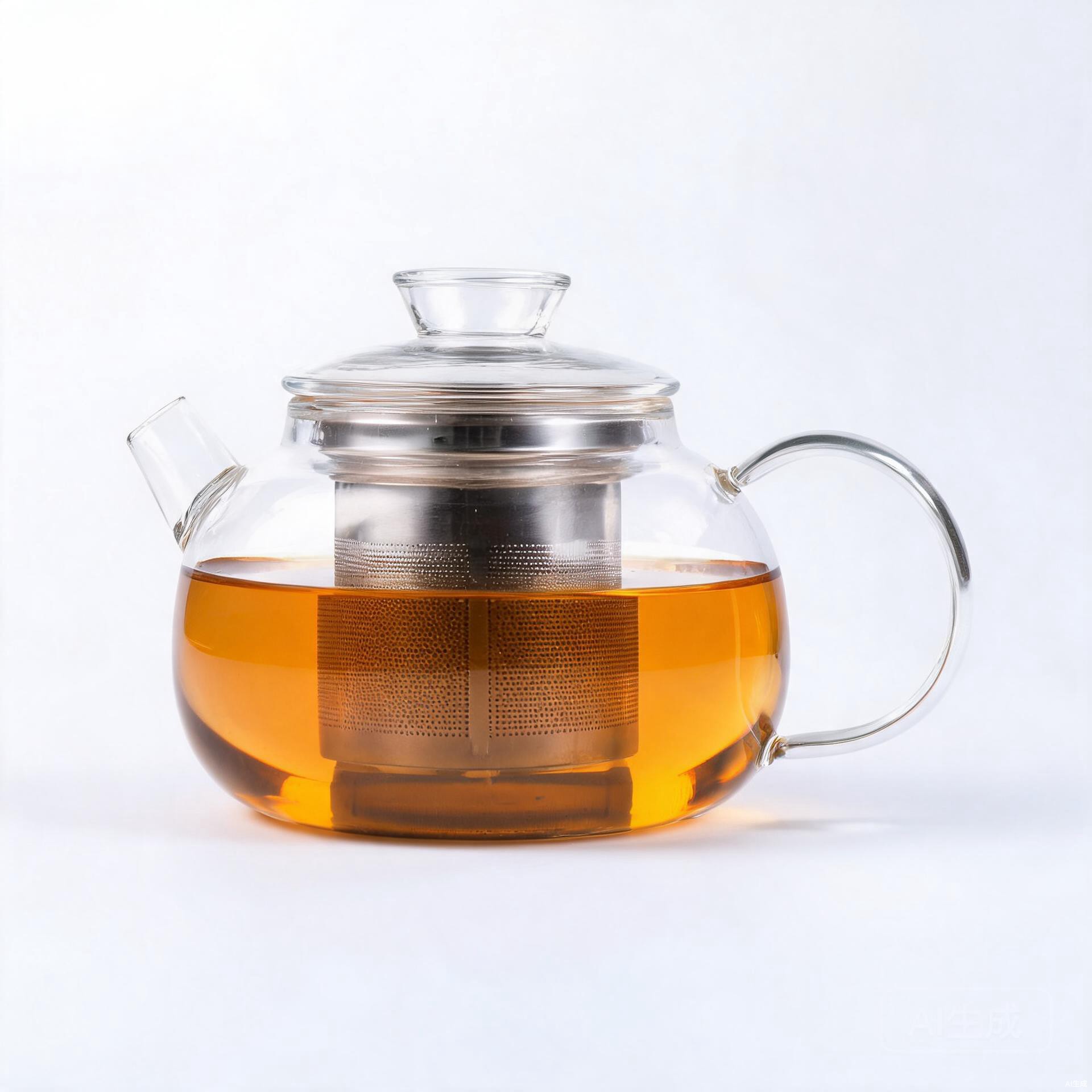
MESNEY 61oz Large Glass Teapot
1.8L makes a full batch of cold infusion to keep in the refrigerator through cold season.
Buy Now
17oz Double Walled Glass Mug
A single generous cup that keeps a caffeine-free infusion warm to the last sip without burning your hands.
Buy NowAs an Amazon Associate, MESNEY earns from qualifying purchases. Prices and availability are subject to change.