Raspberry Leaf Tea: A Complete Guide to Benefits and Brewing
Raspberry leaf tea is a mild, earthy herbal infusion made from the dried leaves of the red raspberry plant — one of the most widely drunk women's herbal teas in the world, and completely caffeine-free. It brews to a soft amber-green and tastes like a gentle black tea with none of the tannin.
This guide explains what raspberry leaf tea is, how it has been used traditionally, what it actually tastes like, how to brew it from loose leaves, the blends that work best, and the important safety conversation to have before drinking it during pregnancy.
A note before we start: this article describes a traditional herbal infusion and general information about it. It is not medical advice. Raspberry leaf is a herb with real physiological activity, and pregnancy in particular is a situation where you should speak to a qualified healthcare professional before using it.
What Is Raspberry Leaf Tea?
Raspberry leaf tea is made from the leaves of Rubus idaeus, the same plant that produces red raspberries — but the tea uses the foliage, not the fruit. The leaves are harvested after the berries are picked, dried, and then steeped like any loose-leaf herb.
Because it contains no Camellia sinensis leaves, raspberry leaf tea is a tisane rather than a true tea, and it is entirely caffeine-free. It has a long history in European and North American herbal practice, and it remains one of the most searched herbal teas in the United States, with well over eighty thousand monthly searches.
The leaves contain tannins, flavonoids, and a compound called fragarine, which is the reason the herb has attracted so much interest — and so much caution.
Raspberry Leaf Tea Benefits and Traditional Use
Raspberry leaf is one of the most studied herbs in the women's wellness category. Research interest, however, is not the same as proven benefit, and this herb in particular comes with real caveats. The table below separates tradition from what is actually established.
| Area | Traditional association | What to realistically expect |
|---|---|---|
| Pregnancy preparation | The herb's dominant traditional use — taken in the later weeks of pregnancy | The most researched area, and the most sensitive one. Evidence is mixed, and it must be discussed with a midwife or doctor first. |
| Menstrual comfort | Traditionally drunk around the monthly cycle | A warm, comforting herbal cup; evidence for clinical effect is limited. |
| Tannins and flavonoids | Raspberry leaf is rich in these plant compounds | Antioxidant activity in the laboratory does not automatically translate into a health effect in people. |
| General herbal tonic | Long European folk use as a daily strengthening tea | Treat it as tradition rather than therapy. |
| Caffeine-free | — | Genuinely caffeine-free, so it suits an afternoon or evening cup. |
The honest summary: raspberry leaf tea is a pleasant, caffeine-free herbal drink with a long traditional reputation, concentrated in women's wellness. Treat it as a soothing ritual rather than a remedy, and do not delay medical care because of it.
What Raspberry Leaf Tea Tastes Like
Raspberry leaf tastes far more like a gentle black tea than like a fruit tea — which surprises almost everyone drinking it for the first time. There is no berry flavour at all. Instead you get an earthy, slightly astringent, faintly green cup with a soft woody finish.
If you like the grounding character of nettle tea or the mild body of red clover, raspberry leaf will feel familiar. If you were expecting something sweet and fruity, blend it with peppermint or a little honey.
How to Brew Raspberry Leaf Tea
Raspberry leaf is a dense dried leaf, so it needs a longer steep than a true tea to give up its flavour. It also tolerates a long steep well — the tannins are mild enough that it rarely turns harsh.
Classic Raspberry Leaf Tea (1 cup)
- 1 heaped teaspoon (about 2g) dried raspberry leaf, or 1 tea bag
- 8 oz (240 ml) water at 200–212°F (93–100°C)
- Optional: 1 teaspoon honey, or a few fresh mint leaves
Method:
- Add the dried leaf to a glass teapot or a mug with an infuser basket.
- Pour just-boiled water over the leaves. The water should darken slowly toward a soft amber-green.
- Cover and steep 8–10 minutes. A lid matters — raspberry leaf has volatile aromatics that escape quickly in an open cup.
- Strain into a glass mug. Longer steeping makes a fuller, more tea-like cup without turning bitter.
- Sweeten lightly if you like. Honey rounds off the earthiness better than sugar does.
Cold Brew Raspberry Leaf Tea (1 liter)
- 4 tablespoons (about 8g) dried raspberry leaf
- 1 liter (4 cups) cold filtered water
Method: combine the leaf and cold water in a glass pitcher or teapot and refrigerate 8–12 hours, then strain. Cold extraction pulls far less tannin, so the cup tastes rounder and less astringent than a hot brew. It keeps for two or three days refrigerated. Our cold brew tea guide covers the wider method.
Raspberry leaf re-steeps well. Unlike most herbal teas, a second and third infusion of the same leaves is nearly as good as the first — add two minutes to each subsequent steep. Keep a full glass teapot going and drink it through the day.
Pregnancy: read this before you drink it. Raspberry leaf is the herb most associated with late pregnancy, and it is also the one where getting advice matters most. Traditional practice is to introduce it gradually in the final weeks, and some sources advise against it entirely in the first trimester. Because it may affect uterine muscle, do not start drinking it during pregnancy — at any stage — without talking to your midwife or doctor first, and follow their guidance on timing and amount rather than a blog post or a tea packet.
Raspberry Leaf Blends Worth Trying
- Raspberry leaf and peppermint: the most popular pairing — mint lifts the earthy base and makes it genuinely refreshing. See our peppermint tea guide.
- Raspberry leaf and nettle: two traditional women's herbs together, a common commercial blend. Our nettle tea guide has the basics.
- Raspberry leaf and chamomile: a softer, sweeter evening cup. See our chamomile tea guide.
- Raspberry leaf and lemon balm: gentle and calming, good before bed. Our lemon balm guide explains the ratio.
- Raspberry leaf and rosehip: a little tartness and vitamin C alongside the earthy leaf. See our rosehip tea guide.
- Raspberry leaf iced with lemon: cold-brewed and served over ice with a squeeze of lemon — the most drinkable way to have it in warm weather.
Is Raspberry Leaf Tea Caffeine-Free?
Yes, completely. It is made from the leaves of the raspberry plant rather than from tea leaves, so it contains no caffeine at all. It can be drunk at any hour without affecting sleep, which is part of why it is so often blended into evening and pregnancy teas. For other caffeine-free options, see our guides to marshmallow root tea and buckwheat tea.
Safety and Who Should Be Careful
Pregnancy is the main caution. Talk to a midwife or doctor before using raspberry leaf tea at any point in pregnancy. Do not use it to try to induce labour, and do not exceed whatever amount a professional recommends.
Other situations to check first. Because the herb may affect smooth muscle, speak to a healthcare professional before regular use if you are nursing, if you have a hormone-sensitive condition, if you are taking medication of any kind, or if you have been told you are at risk of preterm labour. Herbal does not mean risk-free.
It is a comfort, not a treatment. Do not use raspberry leaf tea in place of prescribed care, and see a doctor about persistent symptoms rather than drinking more tea.
Frequently Asked Questions
What does raspberry leaf tea taste like?
Earthy, slightly astringent, and faintly green — much closer to a mild black tea than to a fruit tea. There is no berry flavour, which surprises most first-time drinkers.
Is raspberry leaf tea caffeine-free?
Yes, completely. It is made from the leaves of the raspberry plant rather than tea leaves, so it contains no caffeine and can be drunk at any hour.
Is raspberry leaf tea safe during pregnancy?
That is a question for your midwife or doctor, not a blog. Traditional practice is to introduce it gradually in the later weeks, and some sources advise against it in the first trimester. Because it may affect uterine muscle, get professional guidance before using it at all during pregnancy.
How much raspberry leaf tea can you drink a day?
There is no universally agreed figure, and it depends on your situation — especially if you are pregnant, in which case follow professional advice. Outside pregnancy, one to three cups a day is the usual traditional range.
Does raspberry leaf tea taste like raspberries?
No. The tea is made from the leaves, not the fruit, so it has an earthy, tea-like flavour with no berry sweetness at all. If you want a fruity cup, blend it with rosehip or hibiscus.
Final Thoughts
Raspberry leaf tea is a mild, earthy, caffeine-free cup with a long traditional reputation in women's wellness and an unusually forgiving brewing window — eight to ten minutes, and it will not turn bitter. Blend it with peppermint or nettle, cold-brew it in summer, and treat the pregnancy question with the professional guidance it deserves.
Because the liquor is a soft amber-green and the leaf is coarse, raspberry leaf brews beautifully in glass. A clear teapot shows the colour developing so you can judge a long steep at a glance, and a full pot re-steeps through the day. Our picks:

40oz Glass Teapot with Infuser
The wide infuser basket gives coarse dried leaf room to expand through an eight-minute steep, and the clear glass shows the soft amber-green colour developing so you can judge the strength by eye.
Buy Now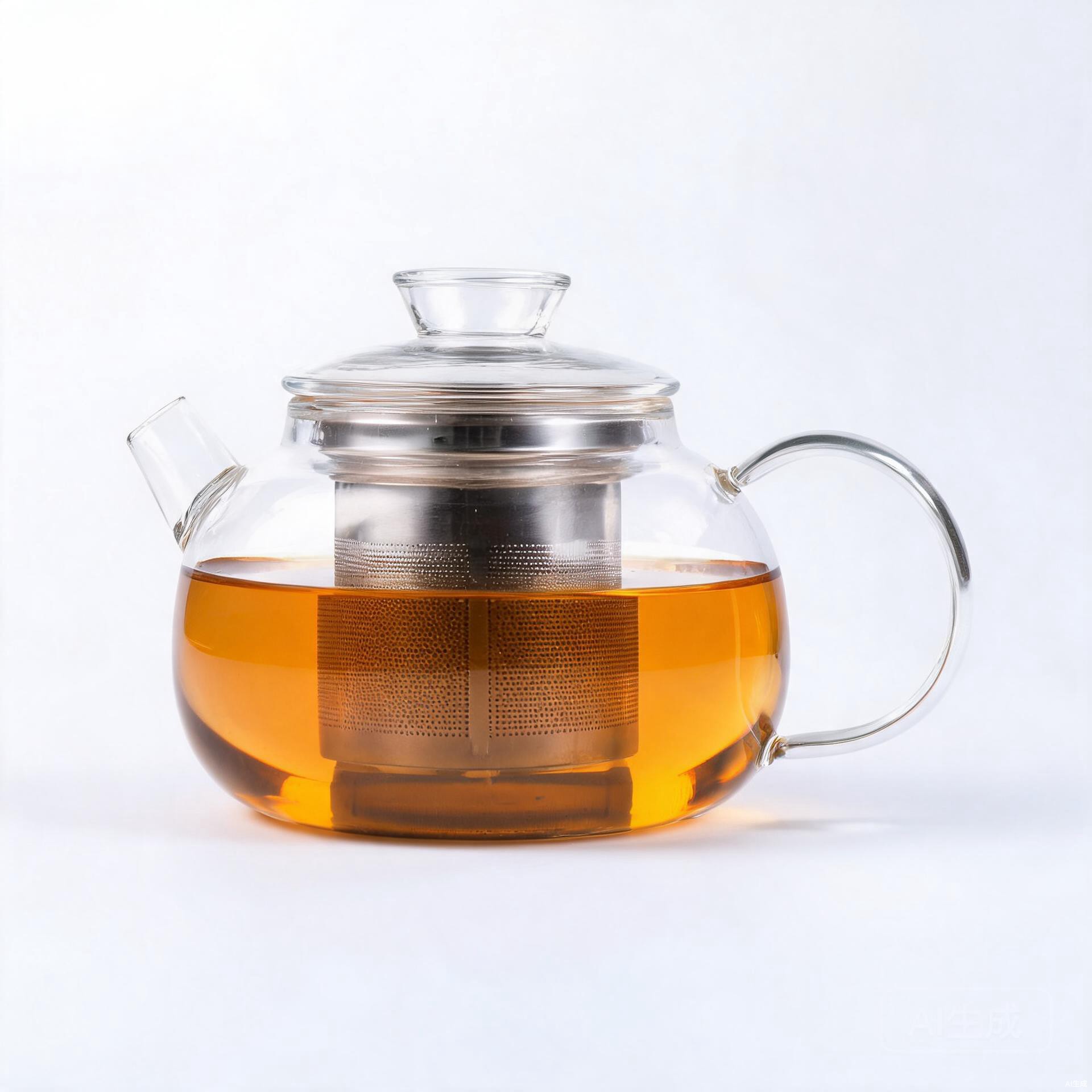
MESNEY 61oz Large Glass Teapot
1.8L is the right size for a full day of caffeine-free infusion — raspberry leaf re-steeps well, so one pot makes two or three rounds.
Buy Now
17oz Double Walled Glass Mug
A single generous cup that keeps a caffeine-free infusion warm to the last sip without burning your hands.
Buy NowAs an Amazon Associate, MESNEY earns from qualifying purchases. Prices and availability are subject to change.