Red Clover Tea: Benefits, Taste and How to Brew It
Red clover tea is a mild, slightly sweet herbal infusion made from the dried blossoms of the red clover plant — a common meadow flower with a long history in Western herbal practice and a growing following as a caffeine-free everyday cup. It brews to a soft amber and tastes faintly of hay and honey.
This guide explains what red clover tea is, how it has been used traditionally, what it tastes like, how to brew the blossoms, the blends that work best, and the important safety considerations before you drink it regularly.
A note before we start: this article describes a traditional herbal infusion and general information about it. It is not medical advice. Red clover in particular warrants a conversation with a healthcare professional before regular use. If you are pregnant, nursing, taking medication, or managing a health condition, please talk to one first.
What Is Red Clover Tea?
Red clover — Trifolium pratense — is the familiar pink-purple meadow clover found across Europe, North America, and Asia. The tea is made from the dried flower heads, which are harvested in summer and steeped like any herbal infusion.
Because it contains no Camellia sinensis leaves, red clover tea is a tisane rather than a true tea, and it is entirely caffeine-free. The blossoms contain isoflavones — plant compounds structurally similar to estrogen — which is the reason the herb attracts both research interest and caution.
That same quality is why red clover sits in a different category from a soothing herbal like chamomile. It is not simply a pleasant drink; it is a plant that can have hormonal activity, and it should be treated with a little more respect than a cup of mint tea.
Red Clover Tea Benefits and Traditional Use
| Area | Traditional association | What to realistically expect |
|---|---|---|
| Women's wellness | Long traditional use around menopause; the reason for most modern research | The most studied area, but results across studies are mixed and inconclusive. Not a treatment. |
| Isoflavones | Red clover contains plant isoflavones with mild estrogen-like activity | This is a real pharmacological property — which is exactly why medical guidance matters. |
| General herbal tonic | Historically drunk as a spring tonic and blood "purifier" | Folk framing; treat it as tradition rather than evidence. |
| Skin and hair washes | Traditional external use as a rinse | Outside the scope of a tea guide; see a professional for skin concerns. |
| Caffeine-free | — | Completely caffeine-free. |
The honest summary: red clover is a pleasant herbal tea with a genuine pharmacological profile, which cuts both ways — it is interesting, and it is not something to drink in large quantities without checking with a professional.
What Red Clover Tea Tastes Like
Gentle and slightly sweet, with a hay-like, meadowy aroma and a faint floral honey note. There is very little bitterness and no astringency, so it drinks easily and needs no sweetener.
The flavor is delicate enough that it blends gracefully. Red clover will not dominate a cup — it supports whatever you put with it, which is why it works well with mint, citrus, and berries.
How to Brew Red Clover Tea
Dried blossoms are light and airy, so they need a generous measure by volume. A teaspoon of red clover weighs far less than a teaspoon of tea leaf.
Red Clover Blossom Tea (1 cup)
- 1–2 tablespoons dried red clover blossoms
- 8 oz (240 ml) water at 200–212°F (93–100°C)
- Optional: 1 teaspoon honey, a few mint leaves, or a slice of lemon
Method:
- Add the dried blossoms to a glass teapot or a mug with an infuser basket.
- Pour just-boiled water over them. The blossoms will float at first, then settle as they absorb water.
- Cover and steep 5–10 minutes. A longer steep makes a slightly stronger, more honeyed cup without turning bitter.
- Strain into a glass mug. The liquor should be a clear, soft amber.
- Drink warm, or chill and serve over ice in summer.
Measure by eye, not by grams. Dried blossoms are mostly air. If your first cup tastes weak, you almost certainly used too little — try two tablespoons rather than one before you extend the steep.
Red Clover Blends Worth Trying
- Red clover and peppermint: the simplest and best pairing — mint adds lift to a tea that is naturally soft. See our peppermint tea guide.
- Red clover and lemon balm: a gentle, calming evening cup. Our lemon balm guide has the details.
- Red clover and hibiscus: hibiscus adds tartness and a deep red color for an iced version. Our hibiscus tea guide explains the ratio.
- Red clover and raspberry leaf: a traditional women's herbal combination — check with a professional before using it if you are pregnant.
- Red clover and chamomile: a softly sweet, honeyed blend for the evening. See our chamomile tea guide.
- Red clover and rose: a floral, delicately perfumed cup. Our rose tea guide covers the petals.
Iced Red Clover Tea
Red clover is mild enough that it also makes a lovely cold drink — especially blended with hibiscus, which gives the pale amber liquor a striking ruby color.
Iced Red Clover and Hibiscus (1 liter)
- 3 tablespoons dried red clover blossoms
- 1 tablespoon dried hibiscus petals
- 1 liter (4 cups) water at 200–212°F
- Ice and a slice of lemon to serve
Method: steep both herbs together for 8 minutes, then strain and cool to room temperature before refrigerating. Serve over ice with lemon. The hibiscus adds tartness that makes the mild clover taste much more vivid. See our cold brew tea guide for the no-heat version.
Is Red Clover Tea Caffeine-Free?
Yes. Red clover tea contains no caffeine at all because it is made from flower heads rather than tea leaves. It can be drunk in the evening without affecting sleep, and it is suitable for anyone avoiding caffeine. For other caffeine-free options, see our guides to buckwheat tea and roasted barley tea.
Safety: Read This Before Drinking Red Clover Regularly
Red clover has hormonal activity, so medical guidance is genuinely important. Its isoflavones can act weakly like estrogen. That makes it unsuitable for anyone who is pregnant or nursing, anyone with a hormone-sensitive condition, and anyone taking hormonal medication including birth control, hormone replacement therapy, or tamoxifen. Speak to a healthcare professional before use.
It can interact with blood-thinning and other medication. Red clover may increase the effect of anticoagulant drugs such as warfarin. It can also interfere with how the body processes some other medicines. If you take any prescription medication, check with a pharmacist first.
Do not treat it as a remedy. Red clover tea is a pleasant herbal drink, not a therapy. Do not use it in place of prescribed care, and do not delay seeing a doctor about a persistent symptom because you are drinking an herbal tea.
Frequently Asked Questions
What does red clover tea taste like?
Mild and slightly sweet, with a hay-like, meadowy aroma and a faint honeyed floral note. It has almost no bitterness and drinks easily without sweetener.
Is red clover tea caffeine-free?
Yes, completely — it is made from dried flower heads rather than tea leaves, so it contains no caffeine and can be drunk at any hour.
Who should avoid red clover tea?
Anyone who is pregnant or nursing, anyone with a hormone-sensitive condition, and anyone taking hormonal medication or blood thinners. Its isoflavones have mild estrogen-like activity and it may interact with several drugs.
Can you drink red clover tea every day?
Many people do, but it is not a decision to make casually given its hormonal activity. Ask a healthcare professional about a sensible amount for your situation before making it a daily habit.
Is red clover tea good iced?
Yes — especially blended with hibiscus, which adds tartness and turns the pale amber liquor a deep ruby. Steep, strain, cool, and serve over ice.
Final Thoughts
Red clover tea is a soft, meadowy, caffeine-free infusion that is genuinely pleasant to drink — and it is also a plant with real hormonal activity, which means it deserves more care than a cup of mint or chamomile. Enjoy it in moderation, blend it with peppermint or hibiscus, and talk to a healthcare professional first if you are pregnant, nursing, or taking medication.
Because the blossoms are light and airy and the liquor is a soft amber, red clover is best brewed in glass — a clear teapot lets you see the blossoms settle and the color deepen, so you can judge a steep that has no bitterness to warn you it has gone too long. Our picks:

40oz Glass Teapot with Infuser
The wide infuser basket gives airy dried blossoms room to rehydrate and steep properly, and the clear glass shows the soft amber color developing so you can judge a steep with no bitterness to warn you.
Buy Now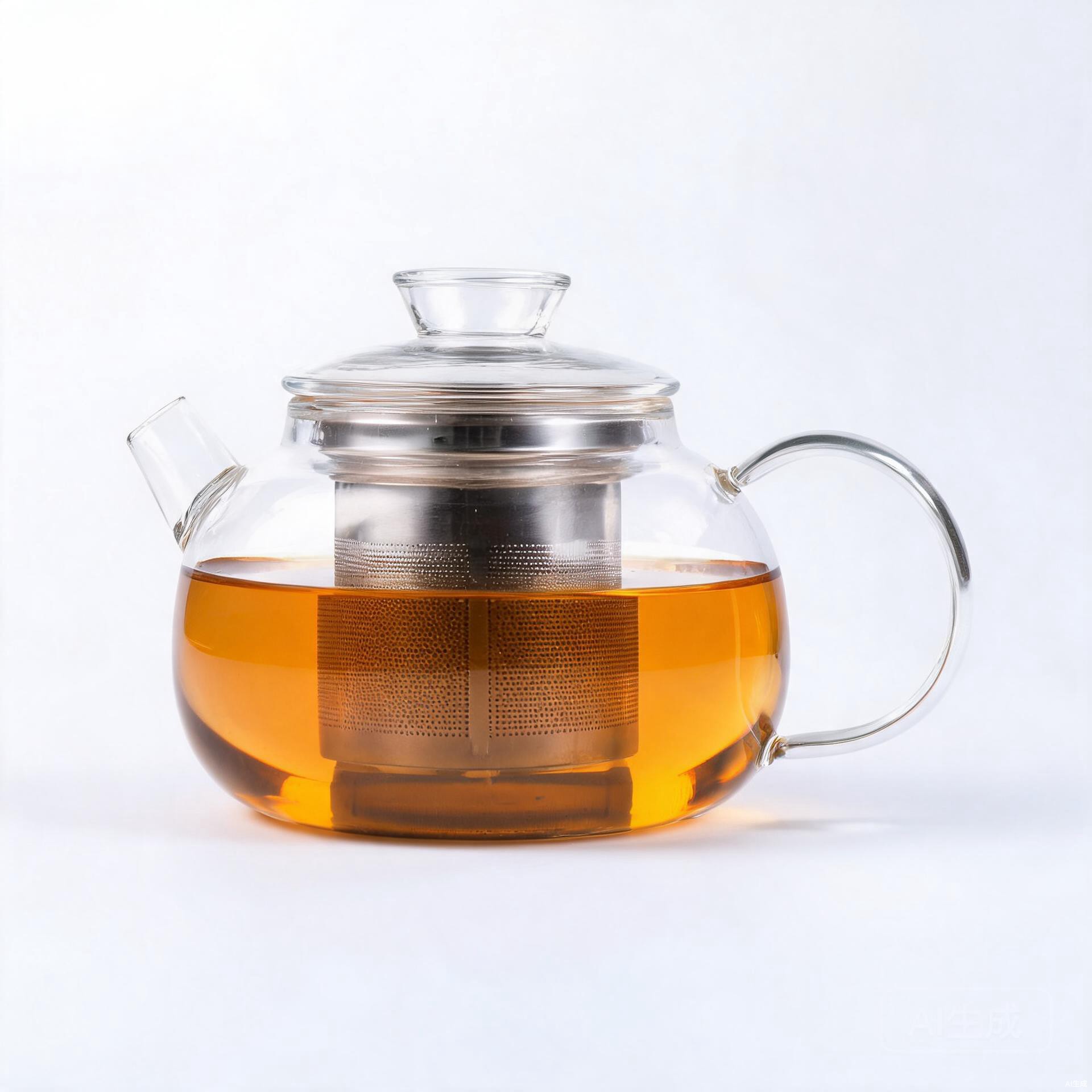
MESNEY 61oz Large Glass Teapot
1.8L makes a full pitcher of iced red clover and hibiscus to keep in the refrigerator.
Buy Now
17oz Double Walled Glass Mug
A single generous cup that keeps a hot, amber infusion warm to the last sip without burning your hands.
Buy NowAs an Amazon Associate, MESNEY earns from qualifying purchases. Prices and availability are subject to change.