Choosing the right glass teapot can transform your tea brewing experience from routine to ritual. With so many options on the market, it can be difficult to know which features matter and which are just marketing fluff. This buyer's guide will walk you through every factor you need to consider, so you can make an informed decision and find the perfect glass teapot for your needs.
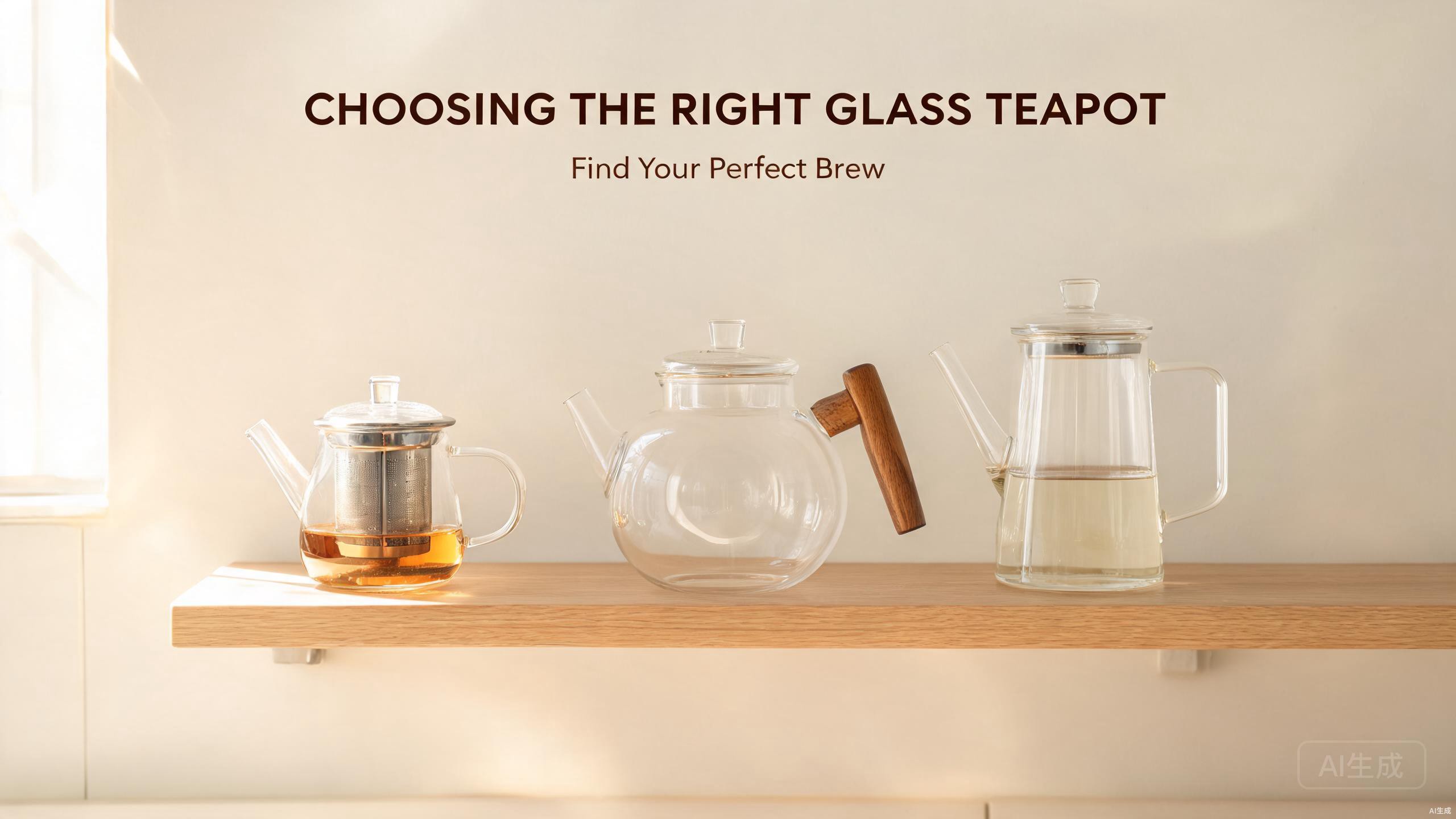
1. Capacity: Size Matters
The first consideration when choosing a glass teapot is capacity. Think about how many cups you typically serve at once. If you brew tea primarily for yourself, a smaller teapot in the 12 to 20 ounce range may be sufficient. If you frequently entertain guests or brew for a family, a larger teapot of 30 to 40 ounces will be more appropriate.
Keep in mind that the listed capacity usually includes the space occupied by tea leaves and the infuser. A teapot rated at 40 ounces may yield closer to 35 ounces of actual brewed tea. It is always better to choose a slightly larger size than you think you need, as you can always brew less in a larger pot but cannot brew more in a small one.
The MESNEY 40oz Glass Teapot with Infuser is an excellent choice for families and entertaining, while the MESNEY 17oz Double Walled Glass Coffee Mug is ideal for solo brewing and everyday use.
2. Material Quality: Borosilicate or Nothing
The single most important factor in choosing a glass teapot is the type of glass used. Only borosilicate glass offers the thermal shock resistance necessary for safe tea brewing. Ordinary soda-lime glass can crack when exposed to rapid temperature changes, such as pouring boiling water into a cold teapot.
Borosilicate glass contains boron trioxide, which gives it a coefficient of thermal expansion up to three times lower than ordinary glass. This means it can withstand temperature differentials of up to 330°F without breaking. When shopping, always look for the word "borosilicate" in the product description.
If you take away one piece of advice from this guide, let it be this: never settle for a glass teapot that is not made from borosilicate glass. Your safety and your tea depend on it.
3. Stovetop Compatibility
Do you want to be able to heat water directly in your teapot on the stove? If so, stovetop compatibility is essential. Only borosilicate glass teapots can be used safely on gas, electric, and ceramic cooktops. Be sure to check the manufacturer's specifications, as not all borosilicate glass teapots are rated for stovetop use.
If you have an induction cooktop, you will need an induction interface disk, as glass is not magnetic and will not heat on induction burners directly. For more on this topic, see our guide on using a stovetop safe glass teapot.
4. Infuser Quality
If you brew loose leaf tea, the quality of the infuser is crucial. Look for an infuser made from stainless steel with fine mesh that prevents even small tea particles from escaping into your cup. The infuser should be large enough to allow tea leaves to expand fully, as cramped leaves will not release their full flavor.
A removable infuser is ideal, as it allows you to remove the leaves once your tea has reached the desired strength. It also makes cleaning much easier. Both the MESNEY teapots mentioned above come with high-quality stainless steel infusers designed for optimal tea extraction.
Infuser Design Considerations
- Mesh fineness: Fine enough to contain small leaf fragments but not so fine that it clogs.
- Capacity: Large enough for tea leaves to expand. Avoid tiny infuser baskets.
- Removability: Should be easy to insert and remove mid-brew.
- Material: Stainless steel is best for durability and flavor neutrality.
5. Design and Aesthetics
Since the primary appeal of a glass teapot is visual, design matters. Look for a teapot with a clear, elegant shape that showcases the color of your tea. The spout should be designed for drip-free pouring, and the handle should be comfortable and heat-resistant.
Consider whether you want a lid, which helps retain heat during brewing. Some teapots come with glass lids, while others use stainless steel. Glass lids are more visually consistent, while stainless steel lids are more durable and provide a tighter seal.

6. Price and Value
Glass teapots range from budget options under $15 to premium designs over $50. While price is a consideration, remember that a quality borosilicate glass teapot is an investment that will last for years. The key is finding the right balance of features for your budget.
The MESNEY Teapot with Infuser and Lid, currently priced at $18.69 (25% off), offers exceptional value with its borosilicate construction, stainless steel infuser, and stovetop-safe design.
Quick Checklist: What to Look For
- Borosilicate glass construction (non-negotiable)
- Stovetop safe, if you plan to heat water directly
- Removable stainless steel infuser with fine mesh
- Appropriate capacity for your needs
- Drip-free spout design
- Comfortable, heat-resistant handle
- Lid for heat retention
- Dishwasher safe for easy cleaning
Find Your Perfect Glass Teapot
Explore MESNEY's collection of premium borosilicate glass teapots on Amazon.
Shop Now