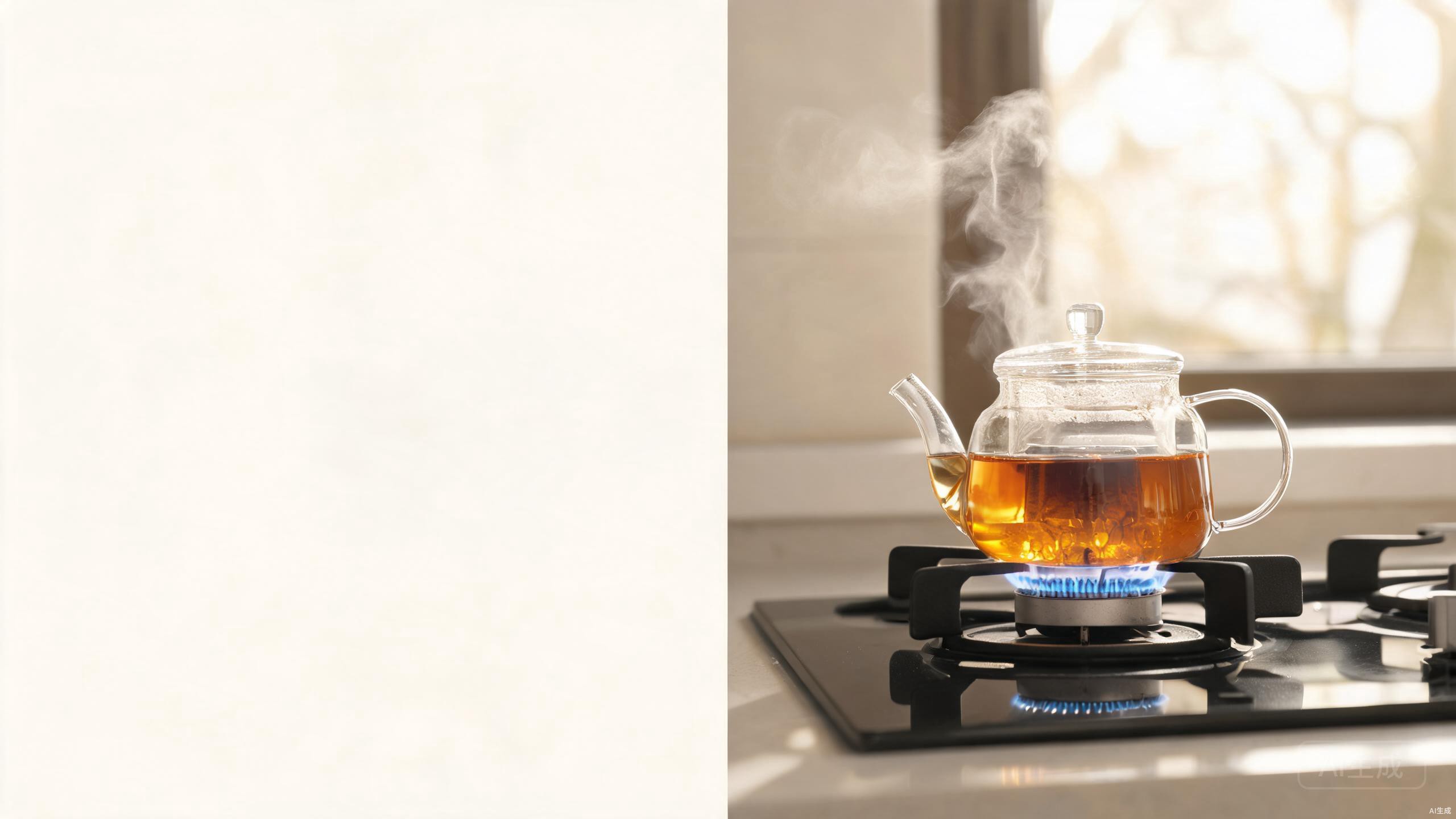
A stovetop safe glass teapot is one of the most versatile tools you can have in your kitchen. It allows you to heat water, brew tea, and serve it all in one elegant vessel. However, using glass on a stovetop requires some knowledge and care to ensure both safety and the best possible brewing results. In this guide, we will share everything you need to know about using a stovetop safe glass teapot.
Understanding Stovetop Safe Glass
Not all glass teapots are safe for stovetop use. Only teapots made from borosilicate glass, which has a very low coefficient of thermal expansion, can safely withstand the direct heat of a stovetop burner. Borosilicate glass is designed to handle extreme temperature changes, making it the only type of glass suitable for direct flame or electric heat contact.
Always check the manufacturer's specifications before using any glass teapot on a stovetop. Using a non-stovetop-safe glass teapot on direct heat can result in cracking or shattering, which is both dangerous and wasteful. All MESNEY glass teapots are made from premium borosilicate glass and are safe for stovetop use.
The MESNEY 40oz Glass Teapot with Infuser is stovetop safe, allowing you to heat water and brew tea in the same vessel. Our double-walled glass mugs are also crafted from heat-resistant borosilicate glass for serving.
Which Stovetops Are Compatible?
Borosilicate glass teapots are compatible with most stovetop types, but there are some nuances to be aware of:
- Gas stovetops: Fully compatible. Use a low to medium flame to prevent overheating the glass.
- Electric coil stovetops: Compatible. Use low to medium heat settings.
- Ceramic/glass-top stovetops: Compatible. Ensure the teapot base is clean and dry to prevent scratching the cooktop surface.
- Induction stovetops: Not directly compatible, as glass is not magnetic. You will need an induction interface disk placed between the burner and the teapot.
Step-by-Step: Brewing Tea on the Stovetop
- Fill with water: Add cold, fresh water to the teapot. Fill to at least one-third capacity; never heat an empty glass teapot as this can cause thermal stress.
- Place on the burner: Set the teapot on the stovetop over low to medium heat. Avoid high heat settings, as rapid temperature changes can stress even borosilicate glass.
- Bring to temperature: Allow the water to heat gradually. For green and white teas, remove from heat before boiling. For black and herbal teas, bring to a full boil.
- Add tea leaves: Remove from heat and add your loose leaf tea to the infuser, or place tea bags directly in the water.
- Steep: Cover and let steep for the recommended time based on your tea type.
- Remove infuser: Take out the infuser to stop the steeping process.
- Serve: Pour and enjoy your freshly brewed tea.
Critical Safety Tips
While borosilicate glass is remarkably heat resistant, following these safety practices will protect both you and your teapot:
Never Heat an Empty Teapot
Always ensure there is liquid in the teapot before placing it on the heat. An empty glass teapot can overheat rapidly, causing thermal stress that may lead to cracking or breakage.
Avoid Sudden Temperature Changes
While borosilicate glass can withstand significant temperature differentials, it is best to avoid extreme shocks. Do not move a hot teapot directly to a cold wet surface, and do not add cold water to a hot teapot.
Use Low to Medium Heat
Always use low to medium heat settings on the stovetop. High heat is unnecessary for heating water and can create uneven hot spots on the glass that may cause stress over time.
Use a Diffuser for Gas Stoves
If you have a gas stove with a large burner, consider using a flame tamer or heat diffuser. This spreads the heat evenly across the base of the teapot and prevents the flame from licking up the sides of the glass.
The golden rule of stovetop glass teapots: low and slow. Gentle, even heating produces better tea and protects your teapot for years of use.
Maintenance and Care
Proper care will extend the life of your stovetop glass teapot significantly. After each use, allow the teapot to cool to room temperature before washing. Clean with warm water and mild dish soap, using a soft sponge or cloth. For mineral deposits or tea stains, soak the teapot in a solution of warm water and white vinegar, then rinse thoroughly.
Avoid using abrasive cleaners or scouring pads that could scratch the glass surface. Most borosilicate glass teapots are dishwasher safe on the top rack, but hand washing is recommended to preserve the clarity and shine of the glass.
Common Mistakes to Avoid
- Using high heat: This is the most common cause of glass teapot damage. Always use low to medium heat.
- Adding cold water to a hot teapot: Even borosilicate glass has its limits. Let the teapot cool first.
- Using on an induction stove without a diffuser: Glass is not magnetic and will not heat on induction cooktops without an interface disk.
- Ignoring the minimum fill line: Never heat a teapot that is less than one-third full.
Ready to Brew on the Stovetop?
Get a stovetop-safe borosilicate glass teapot from MESNEY and start brewing today.
Shop Teapots