Open almost any kitchen cabinet and you will find them: the drinking glasses we reach for every day, often without a second thought. Yet the glass you choose does far more than hold a liquid. It shapes temperature, aroma, portion size, and even the way a drink looks on the table. A well-chosen piece of glass drinkware can make a cheap juice feel refreshing and a good whiskey feel indulgent, while the wrong glass can dull flavors and warm your drink before you finish it.
This complete guide walks through everything you need to know to build a thoughtful collection of glass cups for your home. We will cover the major types of drinking glasses, the materials that make them safe and durable, the rise of double wall technology, how to match a glass to each beverage, and what to look for when you buy a drinking glasses set. Whether you are stocking a first apartment, upgrading a tired cupboard, or assembling a home bar with proper barware glasses, you will find clear, practical advice here.
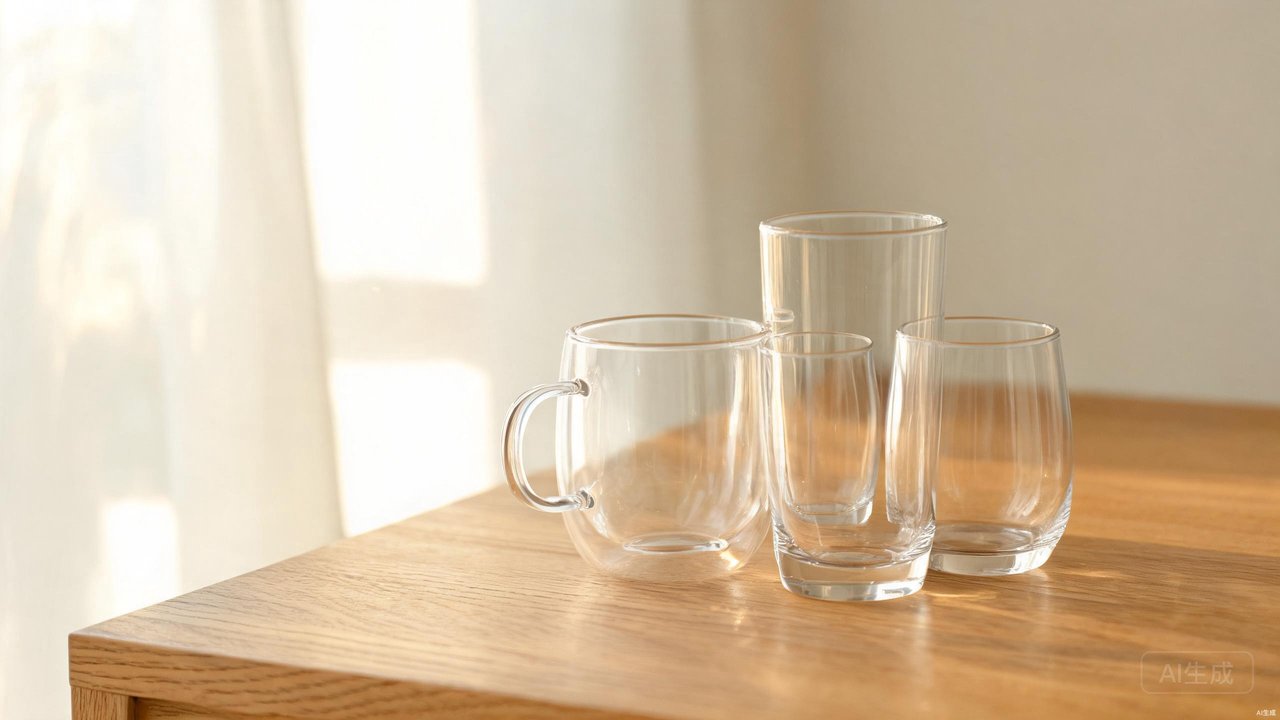
The right glass is not a luxury. It is the quiet tool that lets every beverage taste exactly the way it was meant to taste.
1. Types of Drinking Glasses: A Glass for Every Drink
Walk through any housewares store and the variety of types of drinking glasses can feel overwhelming. The reason there are so many shapes is that each one solves a specific problem: controlling temperature, concentrating aroma, managing portion, or simply looking right for the occasion. Once you understand the logic behind the shapes, choosing becomes straightforward.
The Tumbler Family
The glass tumbler is the workhorse of every household. Flat-bottomed and handle-free, tumblers come in two main heights. The highball is tall and narrow, built for mixed drinks and long, ice-cold beverages like iced tea, lemonade, and sodas. The lowball, also called a rocks or old-fashioned glass, is short and wide, ideal for spirits served neat or over ice. A medium all-purpose tumbler, usually around 12 to 16 ounces, handles water, juice, and everyday drinks and is the single most useful glass in most kitchens.
Wine Glasses
Wine glasses are shaped to direct aroma to the nose and control how much air reaches the wine. A red wine glass has a larger bowl that lets the wine breathe and concentrates bouquet; a white wine glass is narrower to preserve chill. Flutes and coupes are reserved for sparkling wine, with the tall flute keeping bubbles alive longer and the shallow coupe offering old-world elegance. While traditional wine glasses are thin crystal, many homes now choose stemless glass cups for a sturdier, modern feel.
Beer Glasses
Beer deserves the same attention as wine. The pint glass is the casual standard, while a pilsner glass showcases carbonation and a snifter or tulip glass captures the complex aromas of strong ales and stouts. The right beer glass turns a pour into an experience by managing head retention and releasing hop aromas.
Specialty and Barware Glasses
Beyond everyday drinkware, barware glasses cover the tools of cocktails and spirits: the martini glass, the coupe, the snifter for brandy, the shot glass, and the margarita glass. Each shape exists for a reason, from keeping a chilled cocktail away from your warm hand to funneling volatile aromas upward. A well-equipped home bar benefits from having at least a few of these on hand.
Coffee, Tea, and Espresso Cups
Hot beverages have their own glassware. Double wall coffee mugs keep lattes hot without burning your fingers, small espresso cups (demitasse) cradle a shot to preserve its heat and crema, and a glass teapot lets you watch tea bloom. Glass is especially prized here because it is chemically inert and never interferes with delicate flavors.
The table below summarizes the most common types of drinking glasses, what each is best for, and its typical capacity so you can plan a balanced collection.
| Glass Type | Best For | Typical Capacity | Key Feature |
|---|---|---|---|
| All-Purpose Tumbler | Water, juice, everyday drinks | 12–16 oz | Versatile, stackable, the daily essential |
| Highball | Tall mixed drinks, iced tea, sodas | 10–14 oz | Tall and narrow, holds plenty of ice |
| Lowball / Rocks | Spirits neat or over ice, old-fashioned | 6–10 oz | Short and wide, fits comfortably in the hand |
| Red Wine Glass | Red wine | 14–22 oz | Large bowl lets wine breathe and concentrate aroma |
| White Wine Glass | White and rosé wine | 9–14 oz | Narrower bowl preserves chill and freshness |
| Champagne Flute | Sparkling wine and champagne | 6–8 oz | Tall, slender shape keeps bubbles lively longer |
| Pint / Beer Glass | Beer and cider | 16–20 oz | Sturdy build manages head and carbonation |
| Double Wall Mug | Coffee, tea, latte, hot chocolate | 8–17 oz | Insulated air gap keeps drinks hot, exterior cool |
| Espresso Cup (Demitasse) | Espresso, macchiato, cortado | 2.5–6.7 oz | Small volume preserves heat and crema |
| Snifter | Brandy, cognac, aromatic spirits | 6–10 oz | Rounded bowl and narrow rim trap aromas |
2. Glass Materials Explained: Borosilicate vs Soda-Lime
Not all glass cups are made from the same material, and the difference matters more than most people realize. The two dominant materials in drinkware are soda-lime glass and borosilicate glass, and they behave very differently when faced with heat, impact, and daily use.
Soda-Lime Glass: The Everyday Standard
Soda-lime glass is the most common glass in the world. It is inexpensive, clear, and used in everything from jam jars to basic tumblers. The trade-off is that it has a relatively high coefficient of thermal expansion, meaning it expands and contracts sharply with temperature changes. Pour boiling water into a cold soda-lime glass and it can crack or shatter. It is perfectly fine for room-temperature and chilled drinks, but it is a poor choice for hot beverages or anything that moves between freezer and kettle.
Borosilicate Glass: The Heat-Resistant Champion
Borosilicate glass contains boron trioxide, which gives it a coefficient of thermal expansion up to three times lower than ordinary soda-lime glass. In practical terms, it can withstand sudden temperature swings of roughly 330°F without cracking. That is why it has long been the material of choice for laboratory beakers, and why it is the foundation of premium glass drinkware today. Borosilicate is lighter than it looks, resists flavor absorption, and is safe for hot coffee, tea, and even stovetop brewing in specially designed vessels.
Tempered Glass: A Middle Ground
Tempered glass is soda-lime glass that has been heat-treated to increase strength. It is tougher than untreated soda-lime and is often used for restaurant tumblers and durable everyday sets. However, it still does not match borosilicate for thermal shock resistance, so it is best reserved for cold and room-temperature drinks.
If a glass will ever hold something hot, insist on borosilicate. For a water glass that lives in the fridge, soda-lime or tempered glass is perfectly adequate.
For a deeper look at safety and durability, read our guide on why borosilicate glass is the safest choice for your kitchen. The quick summary: borosilicate is the material to choose for any glass that will face heat, while soda-lime and tempered glass remain sensible, affordable options for cold everyday drinkware.
3. Double Wall Technology: Why It Changed Glass Drinkware
Perhaps the biggest leap in modern glass drinkware is the double wall design. A double wall glass is built from two layers of borosilicate glass with a narrow pocket of air sealed between them. That simple air gap transforms how the glass performs.
Temperature Retention
The trapped air acts as insulation. Hot coffee stays hot far longer than it would in a single-walled glass or a standard ceramic mug, and cold drinks stay chilled without the outside of the glass sweating. For anyone who likes to savor a drink slowly, this is genuinely transformative.
Comfort in the Hand
Because the insulating layer blocks heat transfer, the outer surface stays at a comfortable temperature even when the contents are piping hot. You can hold a fresh espresso or a hot latte bare-handed without reaching for a handle or a sleeve. With cold drinks, there are no condensation rings left on your table.
The Floating Beverage Effect
There is also a visual magic to double wall glass. The inner chamber holds your drink while the transparent outer wall creates the illusion that the liquid is suspended in midair. Layered drinks like lattes, cappuccinos, and macchiatos look striking, with each tier of milk and espresso visible through crystal-clear glass.
The one trade-off is fragility. Double wall glasses are lighter and thinner than chunky tumblers, and the seal at the base can fail if the glass is dropped or knocked against a hard sink. Treated with reasonable care, though, a quality double wall glass lasts for years. To explore the advantages in depth, see our article on the benefits of double-walled glass mugs.
4. Choosing the Right Glass for Every Beverage
Matching a glass to a drink is where drinkware becomes genuinely useful. The right shape and material enhance aroma, preserve temperature, and present the beverage at its best. Here is how to pair common drinks with the ideal glass.
Water and Juice
For everyday hydration, an all-purpose glass tumbler in the 12 to 16 ounce range is ideal. Soda-lime or tempered glass is fine here since these drinks are cold or room temperature. A slightly textured or weighted base adds a feeling of quality without affecting function.
Coffee and Tea
Hot beverages demand borosilicate. A double wall mug in the 10 to 17 ounce range keeps coffee or tea hot while staying cool to the touch, and the clear walls show off latte art and tea color. For brewing loose leaf tea, a glass teapot with an infuser lets you watch the leaves unfurl and judge strength by eye. Pair it with double wall cups to keep every pour warm.
Espresso and Milk Drinks
Espresso loses heat rapidly, so a small double wall demitasse in the 2.5 to 6.7 ounce range is the sweet spot. It cradles the shot to preserve crema and temperature, and the insulated wall protects your fingers. The same cup works beautifully for a cortado or piccolo latte.
Wine
Choose a large-bowled glass for reds so the wine can breathe and its aromas concentrate, and a narrower glass for whites to maintain chill. For sparkling wine, a flute preserves effervescence. If you prefer a modern, less delicate look, stemless versions of all three are widely available in durable glass.
Beer and Cider
A sturdy pint glass handles most casual pours, while a pilsner or tulip glass elevates craft beer by managing head and aroma. Serve strong, aromatic beers in a snifter to capture their complexity.
Cocktails and Spirits
This is where barware glasses earn their place. Serve an old-fashioned in a rocks glass, a martini in a V-shaped or coupe glass, and aromatic spirits like brandy in a snifter. Having a small set of dedicated cocktail glasses turns home mixing from a chore into a ritual.
Pair the drink to the glass, not the glass to the cabinet. A thoughtfully matched collection of just six to eight styles will cover almost every beverage you serve.
5. What to Look for in a Drinking Glasses Set
When you are ready to buy a drinking glasses set, a few practical criteria separate a purchase you will love from one you will replace in a year. Keep these in mind.
- Material first. Decide what the set will hold. If it will ever face heat, choose borosilicate. If it is strictly for cold drinks, soda-lime or tempered glass is a cost-effective choice.
- Capacity and proportions. Match the size to how you actually drink. A 17 ounce mug suits a serious morning coffee; a 6 ounce juice glass suits breakfast portions. Buying sizes that fit your habits prevents waste and awkward pours.
- Wall construction. Single wall glasses are lighter and cheaper; double wall glasses insulate and look striking but cost more and need gentler handling. Many homes benefit from owning both.
- Stability and feel. Look for a solid base that resists tipping and a shape that feels comfortable in your hand. Stackable designs help when cabinet space is tight.
- Dishwasher safety. Most borosilicate and tempered glass is dishwasher safe, ideally on the top rack. Confirm this before buying if low-effort cleaning matters to you.
- Set size and value. Sets of four and six usually offer the best per-glass value. Choose a count that matches your household plus a couple of extras for guests.
- Consistency. Matching sets look intentional on a table and stack neatly, but a deliberately mixed collection can also be charming. Pick the approach that fits your style.
You can browse our full range of glassware to compare options side by side before you decide.
6. Product Recommendations: Glass Drinkware We Trust
To put these principles into practice, here are three pieces of borosilicate glass drinkware we recommend for a well-rounded home collection. Together they cover brewing, everyday coffee, and espresso, and each is made from heat-resistant borosilicate glass with double wall insulation where it counts.

Glass Teapot with Infuser
A heat-resistant borosilicate glass teapot with a stainless steel infuser basket. The clear body lets you watch tea bloom and judge strength by color, making it the centerpiece of any tea setup.
- Borosilicate glass
- Removable stainless steel infuser
- Stovetop safe (on low heat)
- Visual brewing

17oz Double Walled Glass Coffee Mug
A generous 17 ounce double wall borosilicate mug that keeps coffee, tea, or hot chocolate hot while staying cool to the touch. Stackable and versatile, it is the everyday glass cup most homes reach for first.
- 17oz capacity
- Double wall insulation
- Borosilicate glass
- Stackable, dishwasher safe

6.7oz Double Wall Espresso Cups (Set of 2)
A set of two 6.7 ounce double wall insulated cups that cradle a shot of espresso or a small cortado. The insulated wall preserves heat and crema while protecting your fingers, and the clear glass showcases every layer.
- Set of 2 cups
- 6.7oz / 200ml capacity
- Double wall insulation
- Borosilicate, dishwasher safe
Start with these three and you have the essentials covered: a pot to brew, a mug for everyday coffee and tea, and a demitasse for espresso. Add tumblers and wine glasses over time to round out the collection.
7. Care and Maintenance for Glass Drinkware
Quality glass lasts for years when it is treated well. The good news is that borosilicate glass is non-porous, so it never absorbs flavors or odors and is simple to clean. A few habits will keep your drinking glasses looking clear and new.
Daily Cleaning
Most borosilicate and tempered glass is dishwasher safe. Place glasses on the top rack to keep them clear of the machine's heating element, and space them so they do not clink together. For hand washing, use warm water, mild dish soap, and a soft sponge. Avoid steel wool and abrasive scouring pads, which scratch the surface and create places for residue to collect.
Removing Stains and Cloudiness
Coffee, tea, and wine can leave a faint film over time. To lift it, fill the glass with warm water and a teaspoon of baking soda, let it sit for thirty minutes, then scrub gently with a soft brush and rinse. For tougher discoloration, an equal-parts solution of white vinegar and water works well. Our complete guide to cleaning borosilicate glassware covers these methods in detail.
Avoiding Thermal Shock
Even borosilicate has its limits. Do not take a glass from the freezer and pour boiling liquid into it, and never plunge a hot glass into cold water. Let temperature change gradually. For soda-lime and tempered glass, the rule is stricter still: reserve them for cold and room-temperature drinks entirely.
Storage and Handling
Store glasses upright with enough space between them to avoid chipping. If you stack double wall mugs, place a soft cloth or felt pad between them to protect the rims. Carry glasses one at a time when they are full, and avoid bumping them against the faucet or the rim of the sink, where most accidental breakage happens.
Glass does not wear out; it only gets scratched or broken. Care for the surface and respect temperature limits, and the same set will serve you for a decade.
8. Glass vs Other Drinkware Materials
It helps to place glass alongside the other common drinkware materials to see where it fits.
- Ceramic: Excellent heat retention and available in countless designs, but ceramic is opaque, so you lose the visual element, and some glazes can retain flavors over time. Glass is neutral and transparent.
- Stainless steel: Unbeatable for travel and the outdoors, but metal can impart a faint taste to acidic drinks. Glass offers a purer flavor for home use.
- Plastic: Lightweight and inexpensive, but plastic retains odors, scratches easily, and can release unwanted compounds into hot beverages. Glass is non-porous and safe at any temperature.
For a home that values flavor purity, visual appeal, and a clean modern aesthetic, glass is the clear frontrunner, and borosilicate glass closes the only real gap it once had: fragility under heat.
9. Conclusion: Build a Glass Drinkware Collection That Lasts
Choosing the right drinking glasses is a small decision that pays off every single day. Once you understand the types of drinking glasses and the materials behind them, the contents of your cabinet stop being random and start working together. A reliable glass tumbler handles water and juice, a double wall mug handles coffee and tea, a small demitasse handles espresso, and a few wine and barware glasses cover the occasions that call for something special.
Remember the essentials: match the material to the temperature, match the shape to the drink, and care for the glass with a little respect. Borosilicate is the foundation worth investing in for anything hot, while soda-lime and tempered glass remain sensible for cold everyday use. Build your collection one intentional piece at a time, and every beverage you serve will taste a little better in the right glass.
Upgrade Your Glass Drinkware Today
Explore MESNEY's borosilicate glass teapots, double wall mugs, and espresso cups. Heat-resistant, elegantly designed, and built for everyday use.
Shop Glass Drinkware