When it comes to brewing tea, the vessel you choose is more than just a container. The material of your teapot influences heat retention, flavor purity, visual experience, and even the longevity of the pot itself. The two most popular materials for teapots are glass and ceramic, and each has a devoted following. But which is better? The honest answer is that it depends on your priorities. This guide provides a thorough comparison of glass and ceramic teapots, examining the strengths and weaknesses of each so you can make an informed decision for your tea brewing needs.
Introduction to Teapot Materials
The teapot has been a centerpiece of tea culture for centuries, and over that time, craftspeople have experimented with a wide range of materials. Clay, porcelain, cast iron, stainless steel, and glass have all been used, each bringing its own characteristics to the brewing process. Among these, glass and ceramic are the two most common choices for everyday tea brewing in modern homes.
Ceramic teapots, which include both earthenware and porcelain, have the longest history. They have been used in China since the Song Dynasty and in Europe since the 17th century. Glass teapots are a more recent innovation, made practical by the development of heat-resistant borosilicate glass in the late 19th century. Today, both materials are widely available, and both can produce an excellent cup of tea. The question is which one is right for you.
If you are still in the early stages of your teapot journey, our glass teapot buyer's guide provides a broader overview of what to look for.
Glass Teapot Advantages
Glass teapots have grown enormously in popularity over the past two decades, and for good reason. Here are the key advantages they offer.
Visual Appeal
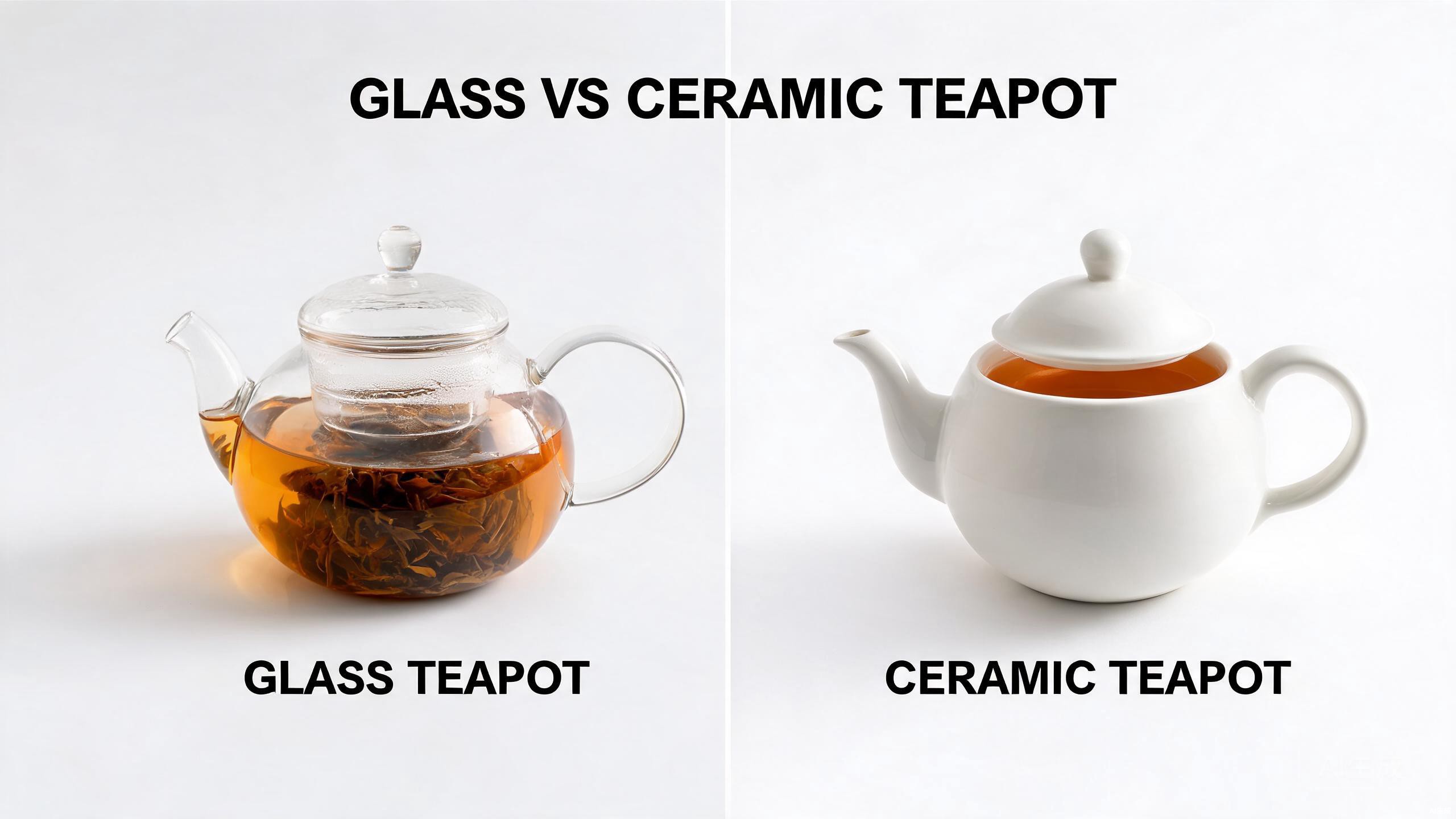
This is the single most compelling reason to choose a glass teapot. The transparency of glass allows you to watch the entire brewing process unfold. You can see the tea leaves unfurl, watch the color of the water deepen as the tea steeps, and judge the strength of your brew by eye. For blooming teas, which open into elaborate floral sculptures, a glass teapot is the only choice that does full justice to the display. No other material offers this visual dimension.
No Flavor Retention
Borosilicate glass is non-porous and chemically inert. It will not absorb flavors, odors, or colors from your tea. This means you can brew a delicate white tea in the morning and a robust pu-erh in the afternoon using the same teapot, and neither will taint the other. This is a significant advantage over unglazed clay teapots, which are intentionally porous and must be dedicated to a single type of tea to avoid flavor cross-contamination. Even glazed ceramic can retain faint flavors over time if the glaze develops microscopic cracks.
Stovetop Safe
Borosilicate glass teapots can be used directly on gas, electric, and ceramic stovetops. This means you can heat your water and brew your tea in the same vessel, eliminating the need for a separate kettle and simplifying your tea setup. Not all ceramic teapots can make this claim, as many are decorative and not rated for direct heat. For more on this topic, see our guide on using a stovetop safe glass teapot.
Easy to Clean
The smooth, non-porous surface of glass is easy to clean and resists staining. Most borosilicate glass teapots are dishwasher safe, and any discoloration that accumulates over time can be removed with simple household ingredients. Our complete guide to cleaning borosilicate glassware covers this in detail.
Modern Aesthetic
Glass teapots have a clean, contemporary look that suits modern kitchens and minimalist aesthetics. They feel light and elegant, and their transparency makes them a natural centerpiece for a tea table or countertop.
A glass teapot does not hide the tea. It celebrates it. Every shade of amber, jade, and ruby is on display, and the brewing process becomes a visual ritual rather than a hidden task.
Ceramic Teapot Advantages
Ceramic teapots have been the workhorses of tea culture for centuries, and they retain a loyal following. Here is what they do well.
Superior Heat Retention
This is the primary advantage of ceramic. Ceramic is a poorer conductor of heat than glass, which means it loses heat more slowly. A ceramic teapot will keep your tea warm for longer than a glass teapot of the same thickness. For long, leisurely tea sessions where the pot sits on the table for an extended period, this heat retention is valuable. Some ceramic teapots, particularly thick-walled stoneware models, can keep tea hot for an hour or more.
Traditional Aesthetic and Craftsmanship
Ceramic teapots come in an enormous range of styles, from rustic Japanese tokoname ware to delicate English porcelain. For tea drinkers who value tradition and craftsmanship, a ceramic teapot can be a work of art as well as a functional tool. The tactile warmth of ceramic, the glaze variations, and the hand-thrown character of artisanal pieces are qualities that glass cannot replicate.
Durability Against Impacts
While ceramic can chip or crack if dropped, it is generally more resistant to everyday bumps and knocks than thin glass. A ceramic teapot that is knocked against a faucet is likely to survive the encounter better than a glass one. However, it is worth noting that borosilicate glass is far more durable than ordinary glass, and the gap is narrower than many people assume.
Porcelain for Delicate Teas
Thin porcelain teapots are prized by enthusiasts of delicate teas like white and green tea. Porcelain retains heat adequately for short steeps and has a refined, lightweight character that some tea drinkers prefer. Glazed porcelain is also non-porous, so it shares some of glass's flavor-neutrality advantage.
Detailed Comparison Table
To make the comparison clearer, here is a side-by-side breakdown of how glass and ceramic teapots perform across the key categories.
- Heat retention: Ceramic wins. Ceramic's lower thermal conductivity means tea stays hot longer. Glass loses heat more quickly, though a lid helps mitigate this.
- Durability: It depends. Ceramic resists everyday impacts better but can chip. Borosilicate glass resists thermal shock far better than ceramic, which can crack under sudden temperature changes.
- Ease of cleaning: Glass wins. Non-porous and dishwasher safe, glass is simpler to clean and never retains stains or flavors. Ceramic, especially unglazed, requires more careful maintenance.
- Aesthetics: It depends on your taste. Glass offers transparency and a modern look. Ceramic offers craftsmanship, glaze artistry, and traditional warmth.
- Versatility: Glass wins. Borosilicate glass is stovetop, microwave, and dishwasher safe. Many ceramic teapots are not stovetop safe and some are not dishwasher safe.
- Flavor purity: Glass wins. It is completely non-porous and inert. Glazed ceramic is close, but unglazed ceramic absorbs flavors and must be dedicated to one tea type.
- Visual brewing experience: Glass wins by a wide margin. The ability to see the tea brewing is unique to glass.
- Price: Comparable. Both materials span a wide price range. Quality borosilicate glass teapots and quality ceramic teapots are available at similar price points.
- Weight: Glass is generally lighter, which makes pouring easier for some users. Ceramic, especially stoneware, can be heavy when full.

When to Choose Glass vs Ceramic
The right choice depends on how you brew and what you value. Here are some guidelines to help you decide.
Choose a Glass Teapot If You:
- Enjoy watching the brewing process and judging strength by color
- Brew a variety of tea types and want one teapot that can handle them all without flavor transfer
- Want to brew blooming teas or flowering tea balls
- Prefer a modern, minimalist aesthetic
- Want a teapot that is stovetop, microwave, and dishwasher safe
- Value ease of cleaning and low maintenance
- Want to pair your teapot with matching double wall glass mugs for a cohesive look
Choose a Ceramic Teapot If You:
- Brew one type of tea regularly and value a teapot that seasons over time (unglazed clay)
- Need maximum heat retention for long, leisurely tea sessions
- Appreciate traditional craftsmanship and artisanal glaze work
- Prefer a heavier, more substantial feel in your teapot
- Are concerned about everyday impacts and bumps in a busy kitchen
- Want a decorative teapot that doubles as a display piece
There is no universally superior teapot material. There is only the teapot that is superior for you, your tea, and your brewing habits.
Our Glass Teapot Recommendation
If you lean toward glass after reading this comparison, our recommendation is the MESNEY 40oz Glass Teapot with Infuser. It combines all the advantages of borosilicate glass with a high-quality stainless steel infuser for loose leaf tea brewing, and it has earned Amazon's Choice recognition.
40oz Glass Teapot with Infuser and Lid
A 40oz (1200ml) borosilicate glass teapot with a removable stainless steel mesh infuser. Stovetop, microwave, and dishwasher safe. Offers the full visual brewing experience with the convenience of modern, easy-care glass.
- 40oz / 1200ml capacity
- Removable stainless steel mesh infuser
- Stovetop, microwave, and dishwasher safe
- Borosilicate glass construction
- Heat-resistant handle
The MESNEY teapot addresses the one area where glass traditionally trails ceramic, heat retention, through its included lid, which traps steam and slows heat loss. Its stovetop-safe design also means you can reheat the tea gently if needed, something that is risky or impossible with many ceramic teapots. At $18.69, it represents outstanding value. You can compare it with our other glassware on the products page.
A Note on Pairing Glassware
If you choose a glass teapot, consider completing your set with matching glass drinkware. The visual continuity of pouring from a glass teapot into a double wall glass mug enhances the entire tea experience. The MESNEY 17oz Double Walled Glass Coffee Mug works beautifully for tea, keeping it hot while showcasing the color. And if you also brew loose leaf tea, our guide to teapots with infusers is an essential companion read.
For coffee drinkers who are deciding between glass and other mug materials, our 2026 guide to glass coffee mugs provides a similarly thorough comparison. And if safety is a top concern, our article on borosilicate glass safety explains why this material is trusted in laboratories and kitchens alike.
Conclusion
The glass vs ceramic teapot debate does not have a single winner because the two materials serve different needs. Ceramic excels at heat retention and offers a rich tradition of craftsmanship. Glass excels at visual appeal, flavor purity, versatility, and ease of maintenance. For the modern tea drinker who values transparency, convenience, and the ability to brew any tea in a single pot, glass is the superior choice. For the traditionalist who prioritizes heat retention and artisanal character, ceramic remains a worthy option. Whatever you choose, the most important thing is that your teapot enhances your daily tea ritual and brings you joy with every brew.
Choose Your Perfect Teapot
Explore MESNEY's premium borosilicate glass teapot with infuser, Amazon's Choice for glass teapots. Stovetop safe, dishwasher safe, and beautifully designed.
Shop on Amazon