There is something undeniably comforting about a chai latte. The warm spices, black pepper, cinnamon, cardamom, ginger, and clove, fill the kitchen with an aroma that feels like a hug. The creamy steamed milk softens the sharp edges of the tea and spices, turning a strong brew into something velvety and sweet. It is the drink you reach for on a cold morning, a rainy afternoon, or any moment that calls for a small act of self-care. And while coffee shops charge five dollars or more for a cup, making a chai latte at home is surprisingly simple once you know the technique.
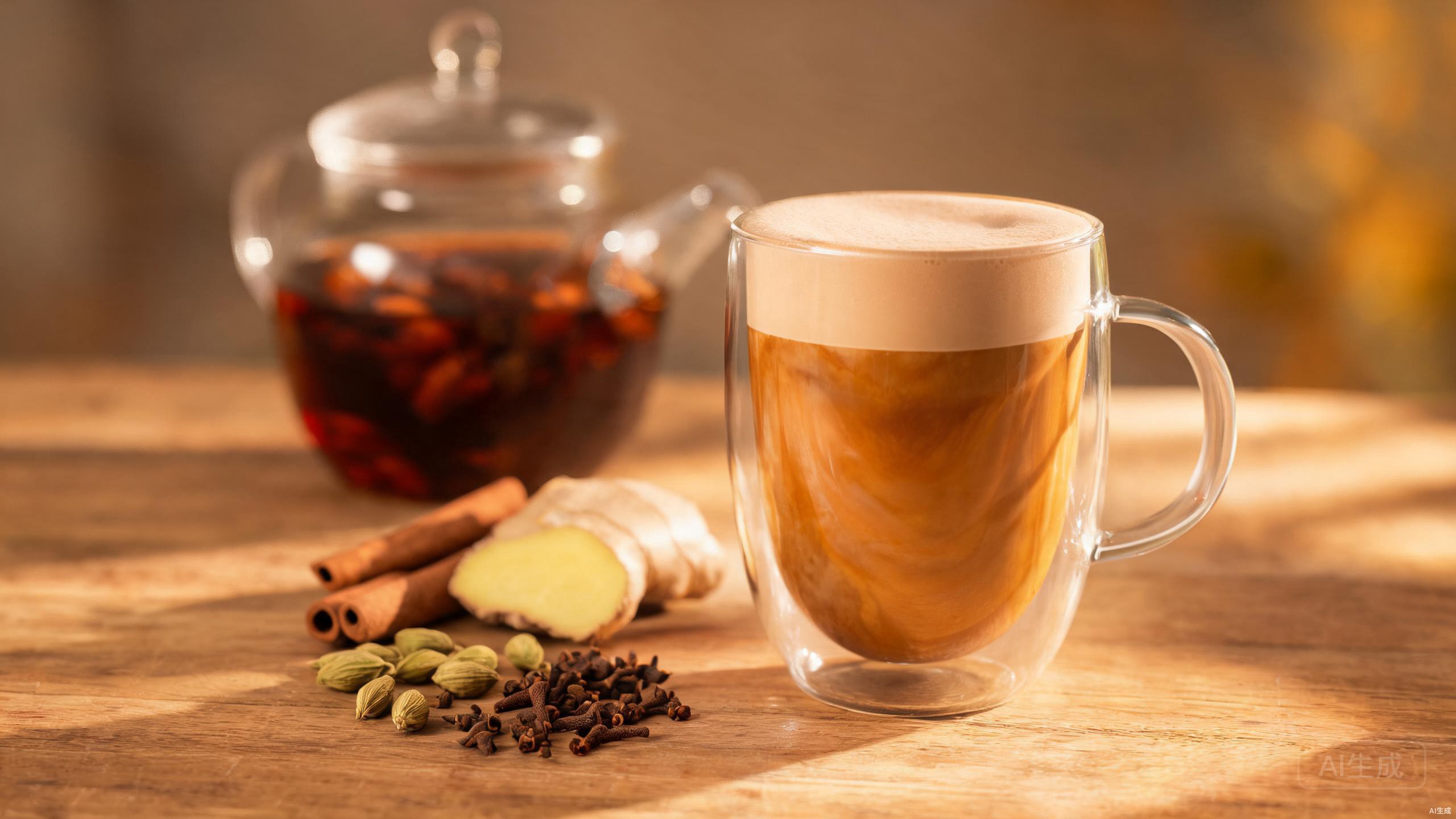
The secret to a great chai latte lies in two things: the spiced tea concentrate and the glassware you serve it in. A glass teapot lets you watch the black tea and spices steep into a rich, dark brew, while double walled glass mugs showcase the beautiful layered effect of milk poured over spiced tea. The clear glass turns a simple drink into a visual experience, with the pale milk swirling into the dark amber tea to create gradients of caramel and gold. This guide covers everything you need to make cafe-quality chai latte at home: the history, the spices, why glass matters, step-by-step brewing, milk frothing, and creative variations.
What Is a Chai Latte?
A chai latte is a beverage made by combining a strong, spiced tea concentrate with steamed milk. The word chai simply means "tea" in Hindi and many other languages, so the phrase "chai tea" is technically redundant, though it has become common in English. The full name for the spiced version is masala chai, which translates to "spiced tea." A chai latte, then, is masala chai prepared latte-style, with a higher proportion of milk than traditional Indian chai and a layer of foam on top, similar to a caffe latte.
The origins of masala chai stretch back thousands of years in India, where it was originally an Ayurvedic remedy. Different regions and families developed their own spice blends, known as karha, typically built around cardamom, cinnamon, ginger, clove, and black pepper. The British East India Company's establishment of tea plantations in Assam in the 19th century made black tea widely available and affordable in India, and masala chai as we know it today, black tea simmered with spices, milk, and sugar, was born. Street vendors, called chaiwallahs, have been serving it on every corner of Indian cities for generations.
The chai latte as served in Western coffee shops is a somewhat different creature. It is typically made with a chai concentrate or syrup, combined with steamed milk in a ratio that is heavier on the milk than traditional masala chai. The result is creamier, sweeter, and milder than the Indian original. Making it at home from scratch, with real whole spices and loose leaf black tea, gives you the best of both worlds: the depth and authenticity of traditional masala chai and the creamy, comforting texture of a cafe latte.
Chai is not just a drink in India. It is a daily ritual, a social glue, and a welcome extended to every guest. Making it at home brings a piece of that warmth into your own kitchen.
Why Glass Makes a Better Chai Latte
You might not think the cup matters for a spiced tea drink, but glass transforms the chai latte experience in ways that ceramic and paper cannot. Here is why.
First, glass lets you see the layers. A well-made chai latte has a beautiful gradient: dark amber tea concentrate at the bottom, a caramel band where the milk meets the tea, and a cap of pale foam on top. In a double walled glass mug, this layered effect is fully visible, with the transparent walls framing the drink like a gallery piece. The floating effect created by the double-wall construction, where the liquid appears to hover inside the glass, adds an extra touch of elegance. You simply cannot get this visual impact from an opaque ceramic mug.
Second, double wall glass keeps the chai latte at the perfect temperature. A chai latte is best enjoyed hot, but not scalding. Double walled glass coffee mugs trap a layer of air between two glass walls, creating insulation that keeps the drink hot for 30 to 45 minutes while keeping the outer surface cool to the touch. This is particularly important for chai latte, which is meant to be sipped slowly and savored. A single-wall glass or ceramic mug would lose heat quickly, forcing you to drink faster or reheat.
Third, a glass teapot is the ideal vessel for brewing the spiced tea concentrate. As the black tea and whole spices simmer in the teapot, the clear glass lets you watch the liquid darken from pale gold to deep amber. You can see the spices release their color and the tea leaves unfurl, which is both practical (you can judge the strength of the brew visually) and aesthetically pleasing. A borosilicate glass teapot can handle the heat of simmering tea and spices on the stovetop, something that ordinary glass cannot do safely. For more on stovetop use, see our guide on using a stovetop safe glass teapot.
Finally, glass does not retain flavors. Chai spices are potent, and the oils from cardamom, clove, and cinnamon can linger in plastic and even in glazed ceramic. Glass is inert and non-porous, so it washes completely clean with no residual spice flavor. This means you can use the same glass teapot for chai in the morning and green tea in the afternoon, with no flavor crossover. For more on the benefits of glass drinkware, see our guide on double-walled glass mug benefits.
The Spices of Chai
The soul of a chai latte is the spice blend. While there is no single canonical recipe, most masala chai blends include some combination of the following whole spices. Using whole spices rather than pre-ground gives a fresher, more vibrant flavor, as ground spices lose their essential oils quickly after grinding.
Cardamom
Cardamom is the backbone of most chai blends. Its sweet, floral, slightly mentholated flavor is the note that most people associate with chai. Use whole green cardamom pods, lightly crushed to release the seeds. About 4 to 6 pods per batch is a good starting point. Cardamom is the one spice that should not be omitted, as it defines the character of the blend.
Cinnamon
Cinnamon adds warmth, sweetness, and a familiar comforting note. A 2-inch stick of Ceylon or cassia cinnamon, broken in half, is ideal for a single batch. Cinnamon also contributes a natural sweetness that allows you to use less added sugar. It is the second most important spice in chai after cardamom.
Ginger
Ginger adds a bright, warming heat that balances the sweetness of the milk and sugar. Fresh ginger, sliced into thin coins, produces the brightest flavor. Dried ginger powder can be used as a substitute but produces a flatter, more earthy note. About 1 inch of fresh ginger per batch is sufficient. Ginger is also traditionally valued in Ayurvedic medicine for its digestive properties.
Cloves
Cloves add a deep, pungent, slightly sweet note that gives chai its distinctive depth. Cloves are potent, so use them sparingly. Two to three whole cloves per batch is enough. Too many cloves will overpower the other spices and make the chai taste medicinal.
Black Pepper
Black pepper adds a subtle, warming bite that lifts the other spices and adds complexity. Use 3 to 4 whole black peppercorns, lightly cracked. The pepper should be barely perceptible on its own but should add a gentle warmth that complements the ginger. Black pepper also enhances the absorption of curcumin, the active compound in turmeric, if you choose to add it.
Optional Spices
Many chai blends include additional spices for complexity. Star anise adds a licorice-like sweetness. Fennel seeds contribute a mild, anise-like note that softens the blend. Nutmeg adds warmth and depth. Turmeric gives a golden color and earthy flavor, and is valued in Ayurvedic practice for its anti-inflammatory properties. Experiment with small amounts of these spices to find your perfect blend.
The beauty of chai is that no two families make it the same way. Your spice blend is a personal signature, refined over time until it tastes like home.
How to Make a Chai Latte at Home
Here is a complete step-by-step method for making a chai latte from scratch, using whole spices, loose leaf black tea, and a glass teapot. This recipe makes two servings.
What You Need
- 4 green cardamom pods, lightly crushed
- 1 cinnamon stick (2 inches), broken in half
- 1 inch fresh ginger, sliced into thin coins
- 3 whole cloves
- 4 whole black peppercorns, lightly cracked
- 2 tablespoons of loose leaf black tea (Assam or Ceylon)
- 2 cups of water
- 2 cups of whole milk (or oat milk for a dairy-free version)
- 2 to 4 tablespoons of sugar, honey, or maple syrup (to taste)
- A 40oz glass teapot with infuser
- Two 17oz double walled glass coffee mugs
Step 1: Simmer the Spices
Place the cardamom pods, cinnamon stick, ginger slices, cloves, and black peppercorns in a small saucepan with 2 cups of water. Bring to a gentle simmer over medium heat, then reduce the heat to low and simmer for 5 to 7 minutes. This gives the hard whole spices time to soften and release their essential oils into the water. Your kitchen will fill with an incredible aroma. If you are using a stovetop-safe glass teapot, you can do this step directly in the teapot on the stove. For more on stovetop brewing, see our stovetop glass teapot guide.
Step 2: Add the Tea
Add the loose leaf black tea to the simmering spice water. Assam or Ceylon black tea works best because it has the strong, malty character needed to stand up to the spices and milk. Simmer for an additional 3 to 5 minutes, depending on how strong you want the tea. The longer you simmer, the more robust the tea flavor will be. Watch the color through the glass, it should be a deep, dark amber when ready.
Step 3: Add the Milk
Pour the milk into the saucepan or teapot and stir gently. Increase the heat slightly to bring the mixture back to a gentle simmer, but do not let it boil. Whole milk produces the richest, creamiest chai latte, but oat milk is an excellent dairy-free alternative that mimics the creamy texture. Simmer for 2 to 3 minutes, until the milk is heated through and the flavors have melded. The liquid should be a warm, milky caramel color.
Step 4: Strain and Sweeten
Remove the teapot or saucepan from the heat. If using a glass teapot with infuser, simply lift the infuser out to remove the tea leaves and spices. If using a saucepan, strain the chai through a fine mesh sieve into your glass teapot or directly into your serving mugs. Add sugar, honey, or maple syrup to taste and stir until dissolved. Start with 1 tablespoon per serving and adjust to your preference.
Step 5: Froth and Serve
For a true latte experience, froth the chai before serving. You can use a milk frother, a French press (pump the plunger rapidly for 30 seconds), or simply pour the chai back and forth between two containers to create a light foam. Pour the chai into pre-warmed double walled glass coffee mugs, dividing the foam evenly between them. The clear glass will showcase the beautiful caramel color and the layer of foam on top. Serve immediately.
The moment you pour the milk into the spiced tea and watch it swirl through the dark amber liquid, you understand why chai latte is the most beloved tea drink in the world.
Choosing the Right Glassware for Chai Latte
The right glassware elevates a chai latte from a simple drink to a cafe-quality experience. Here are the MESNEY glass products we recommend.

40oz Glass Teapot with Infuser and Lid
The perfect chai brewing vessel. This 40-ounce borosilicate glass teapot is stovetop safe, so you can simmer the spices and tea directly on the stove. The removable stainless steel infuser holds the tea leaves and whole spices, making straining effortless. The crystal-clear walls let you watch the chai darken as it brews, and the heat-resistant handle makes pouring comfortable. Large enough for two generous chai lattes.
Buy on Amazon
17oz Double Walled Glass Coffee Mugs (Set of 2)
The ideal chai latte serving vessels. These 17oz double wall insulated glass coffee mugs hold a generous chai latte with room for foam. The double-wall insulation keeps the hot chai at the perfect drinking temperature for 30 to 45 minutes while keeping the outer surface cool. The crystal-clear glass showcases the beautiful caramel color and layered milk effect that makes a chai latte so visually appealing.
Buy on Amazon
17oz Double Walled Glass Coffee Mugs (Set of 6)
For chai latte parties and families. This set of six 17oz double wall mugs lets you serve chai latte to a crowd in matching style. The condensation-free design means no water rings on your table, and the dishwasher-safe borosilicate glass makes cleanup simple. Perfect for holiday gatherings, afternoon tea, or sharing a pot of chai with friends.
Buy on AmazonWhich Setup Is Right for You?
The 40oz glass teapot with infuser is essential for brewing chai from scratch. It serves as both the brewing vessel and the serving pitcher, with the infuser making straining effortless. For serving, the set of 2 double walled mugs is perfect for couples, while the set of 6 mugs is ideal for entertaining. For more mug options, see our 2026 glass coffee mug guide.
Chai Latte Variations to Try
Once you have mastered the basic chai latte, there are endless ways to customize it. Here are some popular variations.
Iced Chai Latte
Brew the spiced tea concentrate as described above, but omit the milk during brewing. Let the concentrate cool to room temperature, then pour over ice in a double walled glass mug. Add cold milk and sweetener to taste, and stir. The double-wall insulation prevents condensation, keeping your hands dry. The clear glass showcases the beautiful layered effect of milk swirling through the dark tea over ice. For more iced drink ideas, see our iced coffee and cold brew guide.
Dirty Chai Latte
Add a shot of espresso to your chai latte for a caffeine kick and a depth of coffee flavor. The espresso sinks to the bottom and creates a dramatic layered effect in a clear glass mug, with dark espresso at the base, caramel chai in the middle, and pale foam on top. Stir before drinking to combine the flavors. The name "dirty" comes from the way the espresso clouds the otherwise clean chai color.
Vanilla Chai Latte
Add 1 teaspoon of vanilla extract or 1 tablespoon of vanilla syrup to the chai while brewing. The vanilla softens the spice notes and adds a creamy, dessert-like quality. This is the version most commonly found in Western coffee shops, and it is a crowd-pleaser for those who find traditional masala chai too spicy.
Honey Cardamom Chai
Increase the cardamom to 8 pods and sweeten exclusively with honey. The floral notes of the honey complement the cardamom beautifully, creating a chai that is aromatic and complex. This is a wonderful evening drink, as the honey and cardamom are both traditionally valued for their calming properties.
Rooibos Chai (Caffeine-Free)
Replace the black tea with an equal amount of rooibos tea. Rooibos is a South African herbal tea with a naturally sweet, slightly nutty flavor that pairs beautifully with chai spices. This version is completely caffeine-free, making it perfect for evening enjoyment. The brew will be a deeper red color than traditional chai, which looks stunning in a clear glass mug.
A chai latte is a canvas. The base of spiced tea and milk is just the beginning. Add espresso, vanilla, honey, or rooibos to make it entirely your own.
Tips for the Perfect Chai Latte
- Use whole spices, not ground: Whole spices release their flavor more slowly and evenly during simmering, producing a cleaner, more balanced brew. Ground spices can make the chai gritty and muddy. If you must use ground spices, use half the quantity and strain through a fine mesh.
- Simmer, do not boil: Boiling the milk causes it to scald and develop a skin. Keep the chai at a gentle simmer throughout. The glass teapot lets you monitor the temperature visually.
- Use strong black tea: Assam or Ceylon black tea has the malty, robust character needed to stand up to the spices and milk. Avoid delicate teas like Darjeeling, which will be overwhelmed.
- Froth the milk separately: For the best foam, froth warm milk separately and spoon it on top of the chai, rather than frothing the entire mixture. This creates a cleaner layer of foam and a more latte-like presentation.
- Adjust the spice level: Start with the base recipe and adjust the spices to your taste. If you prefer a milder chai, reduce the cloves and black pepper. If you want more heat, add more ginger.
- Serve in double walled glass: The insulation keeps the chai hot for 30 to 45 minutes, and the transparent walls showcase the beautiful caramel color and layered effect. No other material offers both benefits.
Cleaning and Caring for Your Chai Glassware
Chai spices are potent and can leave residues, but borosilicate glass is easy to clean with the right approach.
Daily Cleaning
MESNEY glass teapots and mugs are dishwasher safe. Place them on the top rack, away from the heating element. For hand washing, use warm water and mild dish soap with a soft sponge. Rinse the infuser thoroughly to remove all tea leaves and spice particles. The sooner you rinse after use, the easier the cleaning will be.
Removing Spice and Tea Stains
Chai can leave a brownish tint from both the tea tannins and the spice oils. To restore clarity, fill the vessel with warm water and a teaspoon of baking soda, let it sit for 30 minutes, then scrub gently with a soft brush. A 50/50 mix of white vinegar and water also works well. Our complete cleaning guide covers these methods in detail.
Avoiding Thermal Shock
Borosilicate glass resists temperature changes far better than ordinary glass, which is why it is safe for stovetop chai brewing. Still, avoid extreme swings. Let a hot teapot cool to room temperature before rinsing with cold water, and never place a hot glass vessel directly on a cold surface. Gradual changes keep your glass safe. Learn more in our borosilicate glass safety guide.
Final Thoughts
A chai latte is more than a drink. It is a ritual of warmth, spice, and comfort that has been refined over thousands of years and across entire continents. Making it at home from scratch, with whole spices and real black tea, gives you a depth of flavor that no concentrate or syrup can match. The process itself is meditative: crushing cardamom pods, slicing ginger, simmering the spices until the kitchen fills with their aroma, and watching the tea darken through the clear walls of a glass teapot.
The glassware you choose completes the experience. A glass teapot lets you watch the chai brew and serves as a beautiful pitcher at the table. Double walled glass mugs keep the chai hot for the full duration of a slow, savoring sip, while their transparent walls showcase the drink's caramel color and layered foam. Whether you are making a traditional masala chai, a cafe-style chai latte, or an iced variation for summer, the combination of whole spices, quality tea, and borosilicate glassware turns a simple cup of tea into a small daily luxury.
Make Chai Latte at Home with MESNEY Glassware
Shop MESNEY's borosilicate glass teapot with infuser and double walled glass coffee mugs, designed to make chai latte beautiful and effortless. Find your perfect chai brewing vessel on Amazon.
Shop Glass Teapots