On a hot afternoon, few things are as refreshing as a tall glass of cold brewed tea. Unlike the bitter, astringent iced tea that comes from brewing hot tea and chilling it, cold brew tea is smooth, naturally sweet, and remarkably complex. The cold water extracts different compounds than hot water does, pulling out the delicate floral and fruity notes while leaving behind the harsh tannins that cause bitterness. The result is a drink that tastes less like cooled-down hot tea and more like the tea itself, distilled to its purest, most refreshing form.
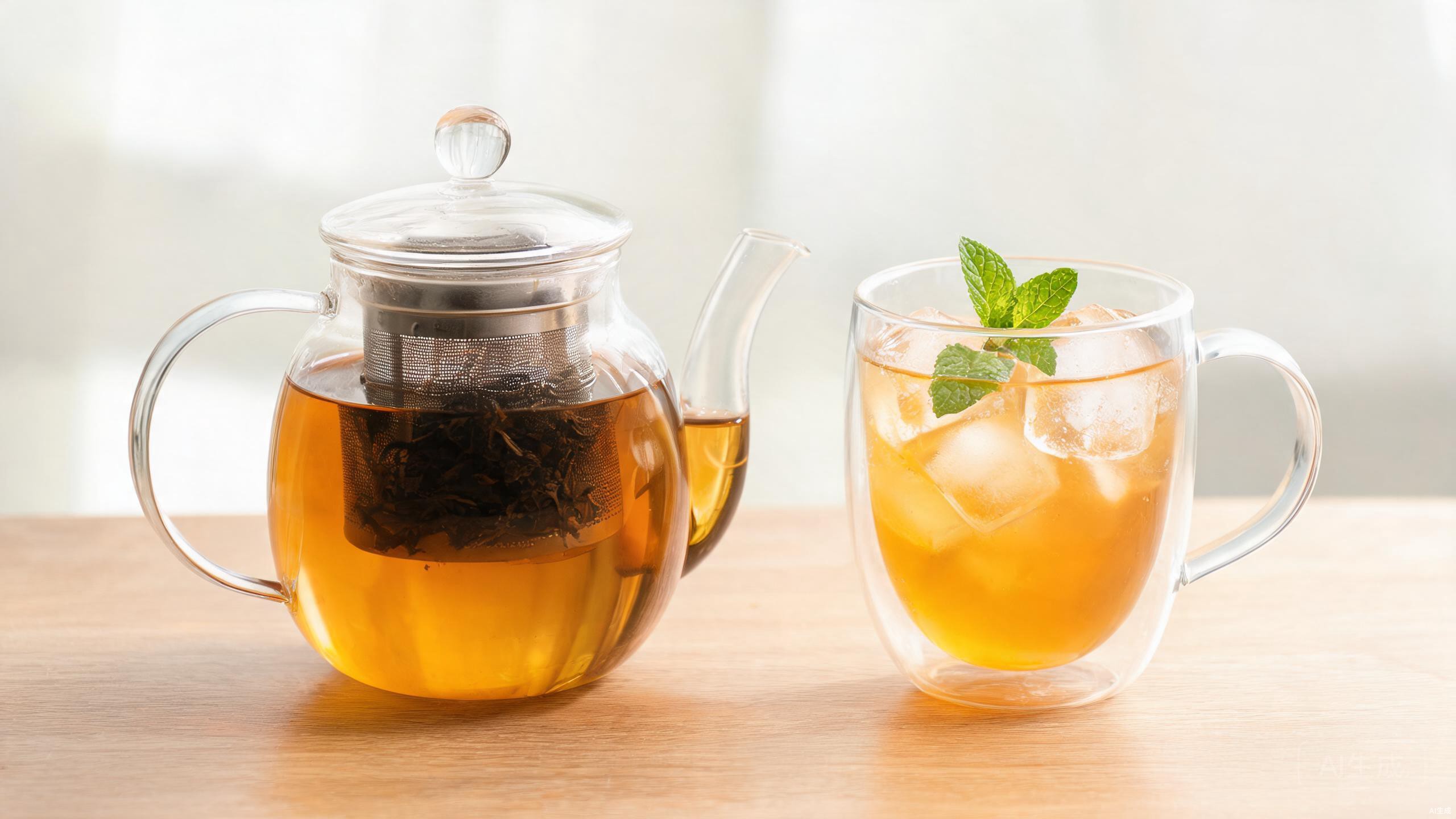
The beauty of cold brew tea is that it requires almost no active effort. You combine tea leaves and cold water in a glass teapot, place it in the refrigerator, and wait. The glass teapot is not just a container, it is the perfect brewing vessel, letting you watch the color slowly deepen over hours as the tea steeps. This guide covers everything you need to make exceptional cold brew tea at home: the science, the best teas to use, why glass matters, step-by-step brewing instructions, ratios, and creative serving ideas.
What Is Cold Brew Tea?
Cold brew tea is tea that is steeped in cold or room-temperature water for an extended period, typically 6 to 12 hours, rather than brewed with hot water and then chilled. The long, slow extraction at low temperature draws out different flavor compounds than hot brewing does. Hot water dissolves tannins and caffeine quickly, which is why over-steeped hot tea becomes bitter and astringent. Cold water, by contrast, extracts these compounds much more slowly and in smaller quantities, resulting in a smoother, sweeter, and less bitter brew.
The concept of cold brewing tea has roots in several cultures. In Japan, mizudashi cold brewing has been practiced for centuries, particularly for green teas like sencha and gyokuro, where the cold water brings out a sweetness that hot water would obliterate. In the American South, cold-brewed sun tea, made by placing tea jars in sunlight for hours, is a beloved summer tradition. Modern cold brew tea has expanded beyond these traditions, embraced by specialty tea shops and home brewers who appreciate the nuanced, clean flavors that cold extraction produces.
What makes cold brew tea so appealing is its accessibility. You do not need a kettle, a thermometer, or any special timing. You do not need to worry about water temperature, which is the variable that intimidates many new tea drinkers. Cold water is forgiving. Leave the tea in too long and the brew may get stronger, but it will rarely turn bitter the way hot tea does. This makes cold brew the perfect entry point for anyone who has been frustrated by the precision demanded by hot tea brewing.
Cold brew tea is the most forgiving brewing method in the world of tea. There is no bitter penalty for leaving it too long, only a deeper, richer flavor.
Why Glass Is the Best Material for Cold Brew Tea
When it comes to cold brewing tea, the vessel matters more than you might think. Glass is far and away the best material for cold brew, and here is why.
First, glass is inert. Unlike plastic, which can leach flavors and odors into your tea over the long steeping period, glass imparts nothing. Your cold brew tea will taste exactly like the tea leaves and water you put in, with no background note of plastic or metal. This is especially important for delicate green and white teas, whose subtle flavors can be easily overwhelmed by off-tastes from the brewing vessel. Borosilicate glass, the same material used in laboratory beakers, is particularly prized for its chemical stability and purity.
Second, glass is transparent, and transparency is part of the cold brew experience. Over the course of 8 or 12 hours, the water in your teapot transforms from clear to pale gold, deep amber, or rich ruby, depending on the tea. Watching that color develop is half the pleasure, and it also serves a practical purpose: you can judge the strength of the brew visually and decide when it is ready. An opaque ceramic or stainless steel container hides this process entirely.
Third, glass is easy to clean and does not retain stains or odors. Tea, especially dark teas like black and oolong, can stain plastic and even ceramic over time. Glass rinses clean and can be restored to crystal clarity with a simple baking soda soak. This means your cold brew teapot will look as good after a hundred brews as it did on day one. For more on glass maintenance, see our cleaning guide.
Finally, a glass teapot with a built-in infuser is the ideal cold brew vessel because it solves the straining problem. When the cold brew is ready, you simply lift the infuser out of the teapot and the tea is ready to pour. No separate strainer, no messy transfer to another container, and no tea leaves escaping into your glass. The teapot goes straight from the refrigerator to the table, and the clear glass makes serving a visual pleasure. To learn more about teapots with infusers, see our complete infuser guide.
Best Teas for Cold Brewing
Nearly any tea can be cold brewed, but some produce dramatically better results than others. As a general rule, teas that are delicate, floral, or fruity excel in cold water, while heavily roasted teas may taste flat without the heat to release their full flavor. Here is a guide to the best teas for cold brewing.
Green Tea
Green tea is the superstar of cold brewing. Japanese green teas like sencha, gyokuro, and bancha develop a sweetness in cold water that hot brewing would never reveal. The cold extraction mutes the grassy, vegetal notes that some people find off-putting in hot green tea and brings forward a clean, honey-like sweetness. Cold brewed green tea is pale green, delicately aromatic, and incredibly refreshing on a hot day. Steep for 6 to 8 hours.
Oolong Tea
Oolong is perhaps the most versatile cold brew tea. Lightly oxidized oolongs, like Tieguanyin or Dancong, produce a floral, orchard-fruit brew that is complex and aromatic. Darker oolongs, like Da Hong Pao or Wuyi rock tea, yield a richer, more roasted cup with notes of caramel and stone fruit. Cold brewing oolong brings out a creamy texture that hot brewing often misses. Steep for 8 to 12 hours.
Black Tea
Black tea cold brews into a smooth, mellow drink that is quite different from hot-brewed black tea. The cold water tames the astringency and brings out malty, cocoa, and dried fruit notes. Cold brewed black tea is excellent on its own or with a splash of milk and simple syrup. It also makes a fantastic base for tea lemonade. Steep for 8 to 12 hours.
White Tea
White tea, with its minimal processing and delicate flavor, is a natural for cold brewing. Silver Needle and Bai Mu Dan produce a pale, sweet brew with notes of honey, melon, and wildflowers. Cold brewing white tea extracts a subtle sweetness that hot water can easily overwhelm. Steep for 8 to 12 hours.
Herbal Tea
Herbal teas, or tisanes, are wonderful cold brewed. Hibiscus produces a vivid ruby brew with a tart, cranberry-like flavor. Rooibos yields a smooth, vanilla-and-caramel cup that is naturally caffeine-free. Fruit blends with dried apple, berry, and citrus peel become bright, juicy, and deeply refreshing. Herbal cold brews are perfect for evenings when you want the experience of cold tea without the caffeine. Steep for 8 to 12 hours.
As a rule of thumb: if a tea tastes delicate and floral when hot, it will taste even better cold. If a tea relies on roasted, smoky notes, it may need hot water to shine.
How to Make Cold Brew Tea: Step by Step
Making cold brew tea is wonderfully simple, but a few techniques will help you get the best results. Here is a step-by-step method using a glass teapot with infuser.
What You Need
- 10 to 15 grams of loose leaf tea (about 2 to 3 tablespoons, depending on the tea)
- 40 ounces (1200ml) of cold, filtered water
- A 40oz glass teapot with removable infuser
- Refrigerator space
Step 1: Measure the Tea
The general ratio for cold brew tea is about 1 gram of tea per 3 to 4 ounces of water. For a 40-ounce glass teapot, that means 10 to 15 grams of loose leaf tea. Use less for delicate white and green teas, more for robust black and herbal teas. If you are using tea bags instead of loose leaf, use 4 to 6 bags for a 40-ounce teapot. Place the tea in the removable stainless steel infuser of your glass teapot.
Step 2: Add Cold Water
Fill the glass teapot with cold, filtered water. Filtered water is important because cold brewing takes hours, and any chlorine or mineral off-tastes in tap water will have ample time to infuse into your tea. Pour the water gently over the tea in the infuser, ensuring that all the leaves are submerged. Give the teapot a gentle swirl to wet the leaves evenly.
Step 3: Refrigerate
Place the lid on the teapot and put it in the refrigerator. The cold, dark environment of the fridge is ideal for slow extraction. Unlike sun tea, which relies on warmth and light, cold brew tea should be kept cold throughout the entire steeping process to prevent bacterial growth and to ensure a clean, crisp flavor. Let the tea steep for 6 to 12 hours, depending on the type of tea and your taste preference. Green teas need less time, while black, oolong, and herbal teas benefit from longer steeps.
Step 4: Remove the Infuser
Once the tea has reached your desired strength, remove the infuser from the teapot. This stops the extraction and prevents the tea from becoming too strong. One of the advantages of a glass teapot with infuser is that you can see the color of the tea and judge when it is ready. If the color looks right, it probably is. The tea will keep in the refrigerator for up to 3 days without losing flavor.
Step 5: Serve and Enjoy
Pour the cold brew tea into a glass over ice. Double walled glass coffee mugs are ideal for serving because they prevent condensation, keeping your hands and table dry even when the tea is ice-cold. The transparent walls also showcase the beautiful color of the brew, from the pale gold of cold brewed green tea to the deep amber of cold brewed black tea. Add a slice of lemon, a sprig of mint, or a splash of simple syrup if desired.
Cold Brew Tea Ratios and Timing Guide
Different teas require different ratios and steeping times. Here is a quick reference guide for the most common cold brew teas.
- Green tea (sencha, gyokuro): 10 grams per 40 oz water, steep 6 to 8 hours. Result: pale green, sweet, delicate.
- White tea (Silver Needle, Bai Mu Dan): 10 grams per 40 oz water, steep 8 to 10 hours. Result: pale gold, honeyed, floral.
- Oolong tea (Tieguanyin, Da Hong Pao): 12 grams per 40 oz water, steep 8 to 12 hours. Result: golden amber, creamy, complex.
- Black tea (Assam, Ceylon, Darjeeling): 15 grams per 40 oz water, steep 8 to 12 hours. Result: deep amber, smooth, malty.
- Herbal tea (hibiscus, rooibos, fruit blends): 15 grams per 40 oz water, steep 10 to 12 hours. Result: ruby red or deep amber, bright, fruity.
Cold brew tea is not just a summer drink. Cold brewed oolong and black tea are equally delicious at room temperature in autumn, paired with a good book and a rainy afternoon.
Choosing the Right Glassware for Cold Brew Tea
The right glassware makes cold brew tea easier to brew and more beautiful to serve. Here are the MESNEY glass products we recommend.

40oz Glass Teapot with Infuser and Lid
The ideal cold brew tea vessel. This 40-ounce borosilicate glass teapot with a removable stainless steel infuser lets you cold brew loose leaf tea effortlessly. Place the tea in the infuser, fill with cold water, refrigerate overnight, and remove the infuser when ready. The crystal-clear walls let you watch the color develop, and the large capacity serves four to six glasses. Borosilicate glass handles the temperature transition from fridge to table with no risk of cracking.
Buy on Amazon
17oz Double Walled Glass Coffee Mug (1pc)
The perfect serving glass for cold brew tea. At 17 ounces, this double walled glass mug holds a generous pour over ice with room for garnishes. The double-wall insulation prevents condensation, so your hands and table stay dry even with ice-cold tea. The crystal-clear borosilicate glass showcases the beautiful color of your cold brew, from pale green to deep amber.
Buy on Amazon
17oz Double Walled Glass Coffee Mugs (Set of 4)
For entertaining and families. This set of four 17oz double wall mugs lets you serve cold brew tea to guests in matching style. The condensation-free design means no water rings on your table, and the dishwasher-safe borosilicate glass makes cleanup simple. Perfect for summer gatherings, afternoon tea parties, or everyday enjoyment.
Buy on AmazonWhich Setup Is Right for You?
The 40oz glass teapot with infuser is the heart of the cold brew tea setup. It serves as both the brewing vessel and the serving pitcher, and the built-in infuser eliminates the need for a separate strainer. For serving, the single 17oz double walled glass mug is perfect for solo enjoyment, while the set of 4 mugs is ideal for entertaining. For more on choosing a teapot, see our glass teapot buyer's guide.
Cold Brew Tea Variations and Serving Ideas
Once you have mastered the basic cold brew tea, the possibilities are endless. Here are some creative ways to serve and customize your cold brew.
Cold Brew Tea Lemonade
Mix equal parts cold brewed black tea and fresh lemonade in a double walled glass mug over ice. The tartness of the lemonade balances the smooth, malty notes of the cold brewed tea. Garnish with a lemon wheel and a sprig of mint. This is a summer classic that tastes far better with cold brewed tea than with hot-brewed and chilled tea.
Fruit-Infused Cold Brew
Add fresh fruit to the teapot along with the tea leaves. Sliced peaches, berries, citrus, or watermelon infuse their flavor into the tea over the long steeping period. Peach and oolong is a classic combination, as is strawberry and white tea. The fruit softens and releases its juice, creating a naturally sweet, complex brew that needs no added sugar.
Cold Brew Tea Spritzer
Fill a double walled glass mug with ice, pour cold brew tea until two-thirds full, and top with sparkling water. The carbonation adds a refreshing fizz that lifts the tea's aromatics. Add a squeeze of fresh lime or a dash of fruit syrup for a tea-based mocktail that rivals anything from a bar.
Honey and Ginger Cold Brew
Add a few slices of fresh ginger to the teapot along with green or black tea. After cold brewing, sweeten with honey to taste. The ginger adds a warming spice note that complements the tea's natural sweetness, and the honey rounds everything out. Serve over ice in a clear glass mug to showcase the golden color.
Cold Brew Concentrate
Use double the amount of tea (20 to 30 grams per 40 ounces of water) and steep for the full 12 hours. The resulting concentrate can be diluted with cold water, sparkling water, or milk to create a variety of drinks. Keep the concentrate in the refrigerator and dilute by the glass for a quick, customizable cold brew anytime.
The best cold brew tea is the one you make with whatever tea you have on hand. Experiment freely. Cold water is forgiving, and you will rarely produce a bad cup.
Cold Brew Tea vs Hot Brewed Iced Tea
It is worth understanding the difference between cold brew tea and the more common method of brewing hot tea and pouring it over ice. Both produce a cold tea drink, but the results are quite different.
Hot brewed iced tea is made by brewing tea with hot water, then chilling it rapidly with ice or in the refrigerator. The hot water extracts tannins, caffeine, and bitter compounds quickly, and unless the tea is removed promptly, the resulting brew can be astringent and sharp. The rapid chilling can also cloud the tea, especially black teas, as the compounds precipitate out of solution. Hot brewed iced tea is best served sweetened, as the sugar helps mask the bitterness.
Cold brew tea, by contrast, is smooth from the start. The cold water extracts flavor compounds gently and slowly, pulling out the sweet, floral, and fruity notes while leaving most of the tannins behind. The result is a naturally sweet, crystal-clear brew that needs little or no added sugar. Cold brew tea also retains its clarity when chilled, because the compounds stay in solution at low temperatures. The tradeoff is time: cold brew takes hours rather than minutes, but the hands-on effort is actually less.
For the best of both worlds, many tea enthusiasts keep a glass teapot of cold brew in the refrigerator at all times, refilling it as needed. Once you have a batch ready, serving a glass is as simple as pouring over ice. For more on hot brewing methods, see our glass teapot brewing guide.
Tips for the Best Cold Brew Tea
- Use filtered water: Cold brewing takes hours, and any chlorine or mineral off-tastes in tap water will have ample time to infuse. Filtered water produces a cleaner, brighter brew.
- Use fresh, high-quality tea: Cold brewing is gentle and will not mask stale or low-quality tea. Use fresh loose leaf tea for the best results, and store your tea in an airtight container away from light and heat.
- Do not overfill the infuser: Tea leaves expand significantly when wet. Fill the infuser no more than two-thirds full to allow room for expansion and water circulation.
- Experiment with steeping time: Taste the tea at 6, 8, 10, and 12 hours to find your preferred strength. Cold brew tea will not turn bitter with longer steeping, but it will become stronger and more concentrated.
- Store properly: Once the infuser is removed, cold brew tea will keep in the refrigerator for up to 3 days. The flavor may continue to develop slightly, so taste before serving.
- Serve in double walled glass: Condensation is the enemy of cold drinks. Double walled glass mugs prevent condensation entirely, keeping your hands dry and your table free of water rings while showcasing the tea's color.
Cleaning and Caring for Your Glass Cold Brew Teapot
A glass teapot used for cold brewing is easy to maintain, but a few habits will keep it crystal clear and stain-free.
Daily Cleaning
MESNEY glass teapots are dishwasher safe. Place the teapot and infuser on the top rack, away from the heating element. For hand washing, use warm water and mild dish soap with a soft sponge. Rinse the infuser thoroughly to remove all tea particles.
Removing Tea Stains
Over time, tea tannins can leave a light brown film on the inside of the glass. To restore clarity, fill the teapot with warm water and a teaspoon of baking soda, let it sit for 30 minutes, then scrub gently with a soft brush. A 50/50 mix of white vinegar and water works well for stubborn stains. Our complete cleaning guide covers these methods in detail.
Avoiding Thermal Shock
While cold brew tea involves only cold water, you may occasionally want to warm the teapot for hot brewing. Borosilicate glass resists temperature changes far better than ordinary glass, but avoid extreme swings. Let a cold teapot come to room temperature before pouring hot water into it, and never move a hot teapot directly to the refrigerator. Gradual changes keep your glass safe. Learn more in our borosilicate glass safety guide.
Final Thoughts
Cold brew tea is the perfect summer brewing method: effortless, forgiving, and remarkably delicious. The long, slow extraction in cold water coaxes out flavors that hot brewing would never reveal, producing a smooth, naturally sweet tea that needs no sugar and no skill. A glass teapot with infuser is the ideal vessel, letting you watch the color develop over hours and serving as both brewer and pitcher in one elegant piece.
Start with a simple green or oolong cold brew in your glass teapot, refrigerate overnight, and pour over ice in a double walled glass mug the next morning. The crystal-clear glass will showcase the tea's beautiful color, the double-wall insulation will prevent condensation, and the smooth, sweet flavor will make you wonder why you ever bothered with hot brewed iced tea. Once you experience the clarity and complexity of cold brew tea, it may become your default brewing method year-round.
Start Cold Brewing Tea with MESNEY Glassware
Shop MESNEY's borosilicate glass teapot with infuser and double walled glass mugs, designed to make cold brew tea beautiful and effortless. Find your perfect cold brew vessel on Amazon.
Shop Glass Teapots