Matcha has moved far beyond the tea ceremonies of Japan to become a daily ritual for health-conscious people everywhere. That vibrant green powder stirred into a smooth, frothy drink is packed with antioxidants, delivers a calm, sustained energy, and looks beautiful in a glass. But if you have ever tried to make matcha at home and ended up with a clumpy, bitter, gritty mess, you already know that the right tools make all the difference.
Building a proper matcha setup does not have to be complicated or expensive. With a quality matcha bowl, a good whisk, a fine sifter, and the right glass teaware for serving, you can prepare cafe-quality matcha in your own kitchen for a fraction of what you would pay at a coffee shop. This complete guide walks you through every piece of equipment you need, how to use it, and how glass teaware from MESNEY brings both traditional matcha preparation and modern matcha latte drinks to life.
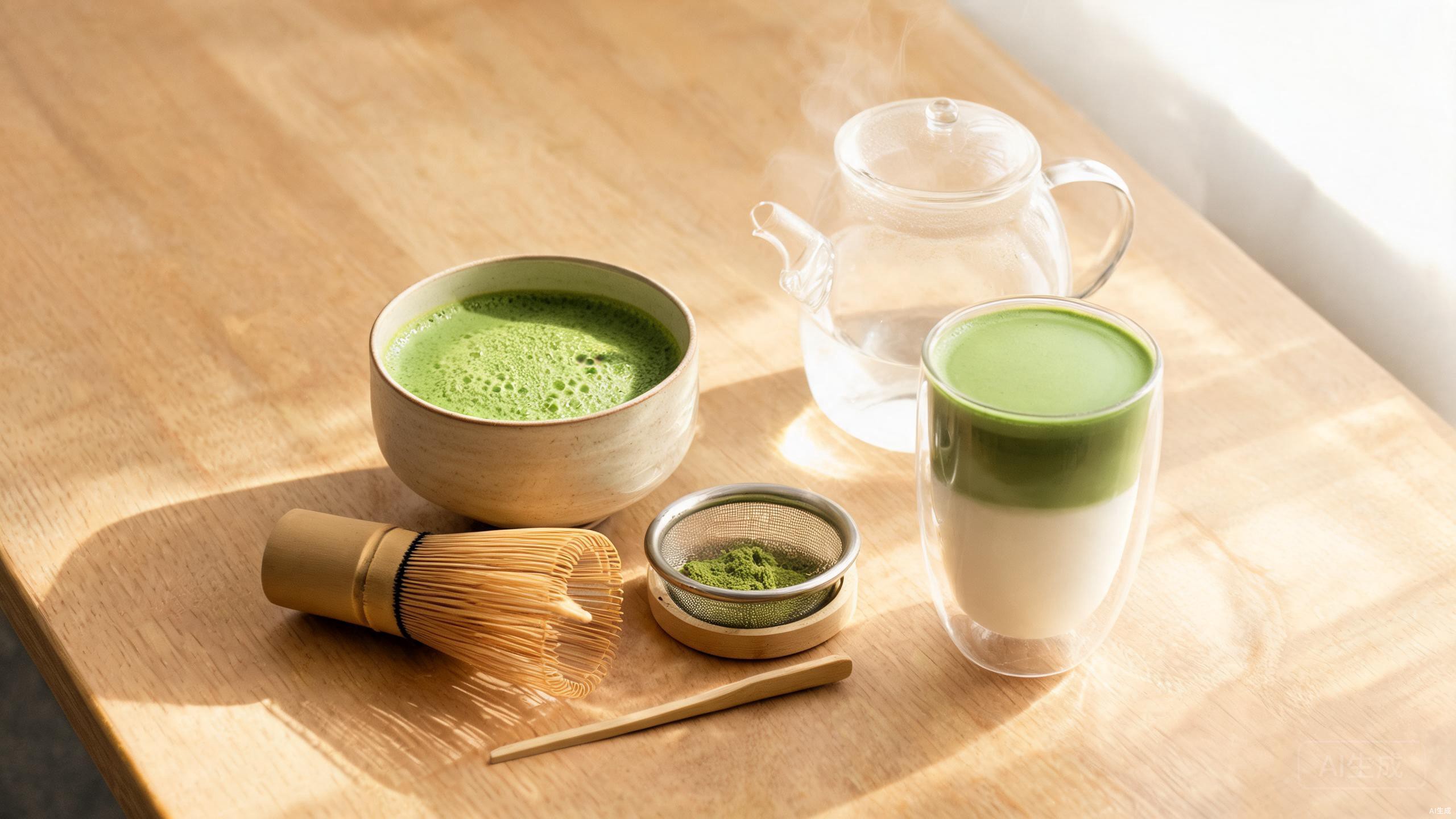
What Is Matcha and Why Make It at Home
Matcha is a finely ground powder made from shade-grown green tea leaves. Unlike traditional green tea, where you steep the leaves and discard them, with matcha you consume the entire leaf. This means you take in the full spectrum of the tea's nutrients, including a potent class of antioxidants called catechins, which are linked to a range of wellness benefits from supporting metabolism to protecting cells from oxidative stress.
One of the reasons matcha has become so popular is how it delivers caffeine. A bowl of matcha contains roughly 30 to 70 milligrams of caffeine, accompanied by L-theanine, an amino acid that promotes a sense of calm focus. The result is a smooth, sustained energy without the jitters or the mid-afternoon crash that coffee often brings. For urban professionals juggling work and wellness, matcha has become a go-to morning drink.
Making matcha at home is about more than saving money, though the savings are significant. A cafe matcha latte typically costs between $5 and $7, while a tin of ceremonial-grade matcha that yields 20 to 30 servings costs about the same as a few cafe drinks. When you prepare matcha yourself, you control the quality of the powder, the sweetness, and the type of milk, turning a quick purchase into a grounding daily ritual.
Matcha is the only tea where you drink the whole leaf. The right bowl, whisk, and sifter are what turn that powder into a smooth, frothing cup worth savoring.
Essential Matcha Tools: Bowl, Whisk, Sifter, and Teaware
If you are new to matcha, the array of specialized tools can feel intimidating. The good news is that the core toolkit is small, and each item serves a clear purpose. Here is what you need for proper matcha preparation at home.
The Matcha Bowl (Chawan)
The matcha bowl, known in Japanese as a chawan, is the vessel in which you whisk your tea. A proper matcha bowl is wide and shallow rather than tall and narrow. This shape gives the whisk room to move in the characteristic zigzag motion that creates foam, and it allows the powder to disperse evenly rather than clumping at the bottom. Traditional chawan are made of ceramic or stoneware, which retains heat well, but as we will see, glass teaware offers its own compelling advantages for the modern matcha drinker.
The Matcha Whisk (Chasen)
The matcha whisk, or chasen, is the single most important tool for achieving the smooth, frothy texture that defines a good bowl of matcha. Carved from a single piece of bamboo, a traditional chasen has dozens of fine prongs that break up the powder and aerate the liquid as you whisk. A matcha whisk set typically includes the whisk itself along with a scoop (chashaku) and a whisk holder that helps the prongs keep their shape. Using a bamboo whisk rather than a metal whisk or a spoon is what separates a properly prepared bowl from a lumpy one.
The Matcha Sifter
Matcha powder is extremely fine, and because of the way it is stone-ground, the particles tend to clump together, especially when exposed to any moisture. A matcha sifter is a small, fine-mesh strainer that breaks up these clumps before the powder ever touches water. Sifting is the step that most beginners skip, and it is the step that most directly determines whether your matcha is silky smooth or full of gritty bits. It takes only a few seconds and transforms the final texture completely.
Teaware for Serving
Beyond the bowl, whisk, and sifter, you need something to serve your matcha in, especially for a matcha latte or entertaining guests. This is where glass teaware shines. A glass teapot can heat and hold water for whisking, while double-walled glass cups showcase the striking green color of the tea and the layered look of a matcha latte. Glass is also neutral, so it will never absorb flavors the way some porous ceramics can.
Why Glass Teaware Works for Matcha
Traditional matcha is prepared and served in ceramic bowls, and for purists, that remains the gold standard. But for the modern home enthusiast, glass teaware offers a set of practical and aesthetic advantages that make it a compelling choice for everyday matcha preparation.
The first advantage is visual. Matcha is a stunningly beautiful drink, with a vivid green color that ranges from bright jade to deep forest depending on the grade. In an opaque ceramic bowl, much of that beauty is hidden. In a transparent glass vessel, the color of the tea becomes part of the experience. When you make a matcha latte, the layered gradient of green tea and white milk is only fully visible in glass, creating a drink that looks as good as it tastes.
The second advantage is versatility. A borosilicate glass teapot can serve multiple roles in a matcha setup. You can use it to heat water on the stovetop, to brew a larger batch of matcha for serving several people, or to prepare the hot water you pour into your matcha bowl for whisking. Because borosilicate glass is chemically inert, it will not absorb or impart flavors, so you can use the same teapot for matcha in the morning and for oolong tea in the afternoon without any carryover of taste.
The third advantage is durability and ease of care. High-quality borosilicate glass is resistant to thermal shock, dishwasher safe, and easy to clean, which matters when you are working with a powder that can leave a residue. To understand why this material is so well suited to hot beverages, read our guide on borosilicate glass safety.
For heating water and serving matcha, the MESNEY 40oz Glass Teapot with Infuser is a versatile workhorse. It is stovetop safe, so you can heat water directly in it, and its generous capacity serves multiple bowls or a full batch of matcha latte base.

40oz Glass Teapot with Infuser and Lid
A 40oz borosilicate glass teapot with a removable stainless steel infuser. Stovetop safe so you can heat water directly for matcha preparation, and the large capacity serves multiple bowls or a full batch of matcha latte.
- 40oz / 1200ml capacity
- Removable stainless steel mesh infuser
- Stovetop safe for heating water
- Borosilicate glass, flavor-neutral
- Dishwasher safe
Using a glass teapot for your matcha setup also means one less appliance on your counter. Instead of a separate electric kettle, the stovetop-safe teapot handles water heating and serving in a single elegant vessel. For more on brewing technique, see our complete guide to brewing tea with a glass teapot.
How to Prepare Matcha at Home: Step by Step
Now that you understand the tools, here is a complete method for preparing traditional matcha at home. Follow these steps and you will produce a smooth, frothy bowl every time.
What You Need
- 1 to 2 grams of matcha powder (about 1 to 2 chashaku scoops, or half a teaspoon)
- A matcha sifter
- A matcha bowl (chawan) or a wide glass vessel
- A matcha whisk (chasen) and a chashaku scoop
- Hot water at about 175°F (80°C)
Step 1: Heat Your Water
Heat fresh, filtered water in your stovetop-safe glass teapot. The ideal temperature for matcha is around 175°F (80°C). If you bring the water to a full boil, let it rest for two to three minutes before using it. Water that is too hot will scorch the matcha and bring out bitter notes; water that is too cool will taste flat.
Step 2: Sift the Matcha
Place your matcha sifter over your bowl and use the chashaku or a small spoon to press the powder through the mesh. This step breaks up the clumps that naturally form in stone-ground matcha and is the single most important thing you can do for a smooth texture. Do not skip it.
Step 3: Add Hot Water
Pour about 2 ounces (60ml) of the heated water over the sifted matcha powder. Use a small amount of water at first to create a concentrated paste. This is the foundation of a smooth bowl.
Step 4: Whisk in a Zigzag Motion
Hold your matcha whisk lightly and whisk back and forth in a rapid zigzag or W-shaped motion, not in a circular stirring motion. The prongs of the chasen should barely touch the bottom of the bowl. Whisk for 15 to 30 seconds until a layer of fine foam forms on the surface. Large bubbles mean you are whisking too aggressively; aim for a creamy microfoam texture.
Step 5: Add More Water and Serve
Add another 2 to 4 ounces of hot water to reach your desired strength, giving a final gentle whisk to combine. Drink immediately while the foam is fresh and the flavor is at its peak.
The secret to cafe-quality matcha is the whisk, not the powder. A bamboo chasen and a zigzag motion create the foam that defines a proper bowl.
Matcha Latte in Glass Cups
While traditional matcha is whisked with water alone, the matcha latte is the drink that has captured the attention of the modern wellness crowd. It combines a concentrated shot of whisked matcha with steamed milk and, often, a touch of sweetener like honey or vanilla. It is creamy, mildly sweet, and visually stunning, especially when served in clear glass.
The visual appeal of a matcha latte is almost entirely dependent on the cup you serve it in. In an opaque mug, the layered gradient of green matcha and white milk is invisible. In a transparent double-walled glass cup, the layers are the show. You can watch the green tea bloom upward through the milk, see the pale foam settle on top, and admire the floating-beverage effect that double-wall construction creates. For anyone who loves to share their morning ritual on social media, glass is the only choice that does justice to a matcha latte.
Double-walled glass also solves a practical problem. A matcha latte is best enjoyed slowly, and double-wall insulation keeps the drink warm for noticeably longer than a single-walled cup while remaining comfortable to hold with bare hands. The outer wall stays at room temperature, so there is no need for a sleeve, and there is no condensation if you prefer an iced matcha latte. To learn more, see our article on the benefits of double-walled glass mugs.
For serving matcha lattes, we recommend the MESNEY double-walled glass lineup. The 17oz mug is ideal for a generously sized matcha latte, while the 6.7oz espresso cups are perfect for a concentrated, intense matcha shot or a smaller latte.

17oz Double Walled Glass Coffee Mug (1pc)
The perfect vessel for a full matcha latte. The 17oz capacity gives room for a matcha shot plus plenty of steamed milk and foam, while the double-wall insulation keeps it warm and the transparency showcases the green-and-white layers.
Buy on Amazon
6.7oz Double Wall Espresso Cups (Set of 2)
A matched pair of smaller double-wall cups, ideal for a concentrated matcha shot, a small latte, or serving a friend. The compact size concentrates the aromas and the insulation keeps the matcha warm while protecting your fingers.
Buy on AmazonThe single 17oz mug is the most affordable way to start your matcha latte journey at under $9, while the set of two 6.7oz cups lets you share the ritual with someone else. Both pair beautifully with the 40oz glass teapot, which you use to heat the water for whisking. For more inspiration on layering drinks in glass, see our guide to cafe-style drinks in glass cups.
How to Make a Matcha Latte
- Prepare the matcha base: Sift 2 grams of matcha into your bowl, add 2 ounces of hot water (175°F), and whisk with your bamboo whisk until smooth and frothy.
- Steam your milk: Heat about 6 to 8 ounces of milk (dairy or oat) to around 150°F and froth it with a steam wand, electric frother, or French press until it has a glossy microfoam texture.
- Combine: Pour the whisked matcha into your glass cup, then slowly pour the steamed milk over it. The layers will settle naturally, with the green matcha rising through the white milk.
- Sweeten to taste: Add honey, maple syrup, or vanilla to taste, and finish with a spoonful of foam on top.
Choosing the Right Matcha Bowl
The matcha bowl you choose shapes both the practical experience of whisking and the aesthetic experience of drinking. Here is what to consider when selecting a bowl for your home setup.
Shape and Size
A matcha bowl should be wide and shallow, typically 4 to 5 inches in diameter and 2.5 to 3 inches deep. This shape gives the whisk room to move in the proper zigzag motion and allows the matcha to aerate. A bowl that is too deep and narrow will force you to stir in circles, producing large bubbles rather than fine foam. The bowl should be large enough that the liquid only fills it halfway, leaving room for the foam to develop.
Material
Traditional chawan are made of ceramic or stoneware, which retains heat well and develops character over years of use. These are the choice of purists. However, a wide, shallow glass bowl can work just as well for everyday preparation and offers the advantage of letting you see the color and foam of the matcha. If you opt for glass, choose borosilicate for its thermal resistance.
The Pouring Lip
A bowl with a subtle pouring lip on one side makes it easier to transfer whisked matcha into a glass cup for a latte without spilling. This is a small detail, but it matters if you regularly make matcha lattes.
Budget Considerations
You do not need to spend a fortune on a matcha bowl. A good matcha whisk set, which typically includes the whisk, a scoop, and a holder, plus a simple bowl and a sifter, will set you back between $15 and $50. The bamboo whisk is the one item worth investing in, since a cheap whisk with too few prongs will not produce proper foam. Pair these traditional tools with the glass teaware you already own, and you have a complete setup without redundancy.
Common Matcha Mistakes to Avoid
Even with the right tools, a few common mistakes can ruin an otherwise perfect bowl of matcha. Here are the pitfalls to watch for.
Using Water That Is Too Hot
Boiling water is the enemy of matcha. Water above 180°F will scorch the delicate powder and extract bitter, astringent tannins that overwhelm the tea's natural sweetness. Always aim for around 175°F, and if you do not have a temperature-controlled kettle, let boiled water rest for two to three minutes.
Skipping the Sifter
It is tempting to skip sifting when you are in a hurry, but unsifted matcha will form clumps that no amount of whisking can fully break up. A matcha sifter takes ten seconds and is the difference between a silky drink and a gritty one.
Stirring Instead of Whisking
A common beginner mistake is to stir the matcha in a circular motion. Circular stirring does not introduce air and will not create foam. The proper motion is a rapid back-and-forth zigzag, with the whisk moving across the bottom of the bowl.
Using a Spoon Instead of a Whisk
A metal whisk or a spoon cannot replicate the action of a bamboo chasen. The many fine prongs of a bamboo whisk are what create the microfoam. If you buy only one specialty tool for matcha, make it the whisk.
Storing Matcha Improperly
Matcha is sensitive to light, heat, and air, all of which degrade its color and flavor quickly. Store your matcha in an airtight, opaque container in the refrigerator, and use it within a few weeks of opening. Let it come to room temperature before opening to prevent condensation from clumping the powder.
Using Culinary-Grade Matcha for Drinking
Matcha comes in several grades. Culinary-grade matcha is intended for baking, where its stronger, more bitter flavor is balanced by other ingredients. For drinking, choose ceremonial-grade matcha, which is made from younger leaves and has a sweeter, more delicate flavor. Using the wrong grade is a fast way to a bitter cup.
Treat matcha like fresh produce, not like a pantry staple. Buy it fresh, store it cold, and use it quickly. The powder is alive, and it shows in the cup.
Build Your Complete Matcha Setup Today
Pair a traditional matcha bowl, whisk, and sifter with MESNEY glass teaware for the perfect balance of ritual and modern style. Heat water in a stovetop-safe glass teapot and serve your matcha latte in double-walled glass cups that showcase every vibrant green layer.
Shop the Collection