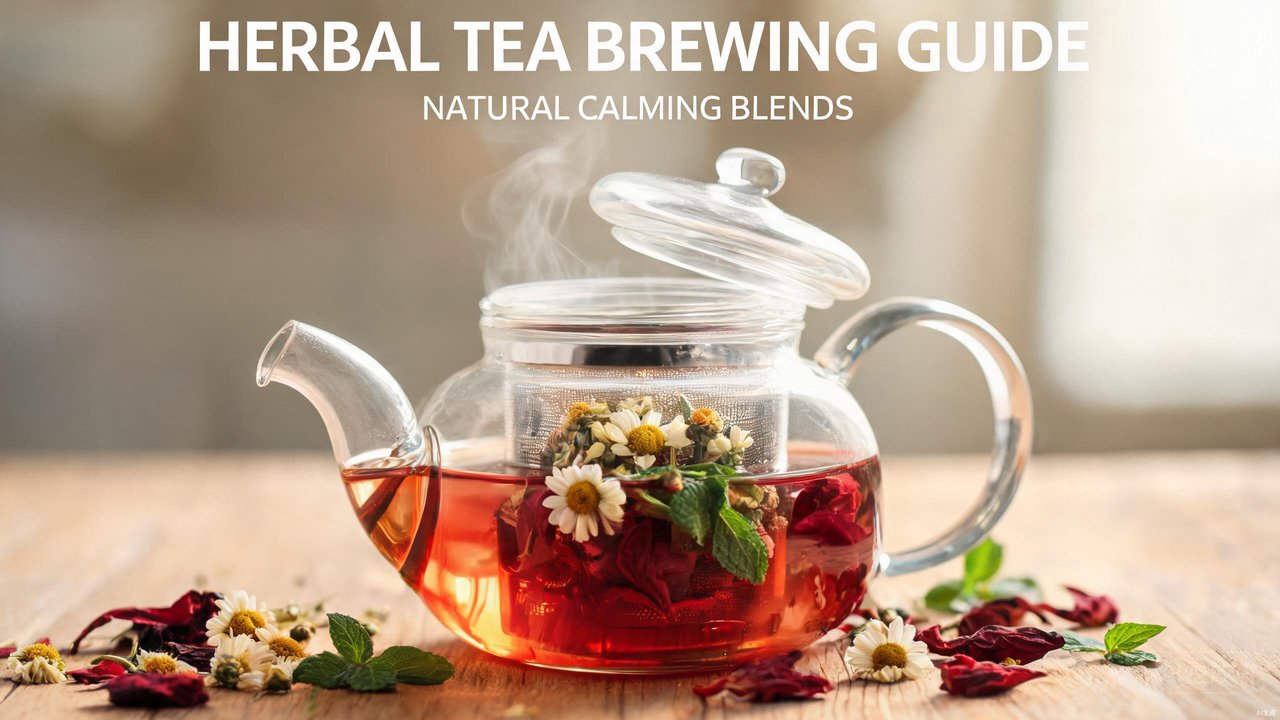
There is something quietly magical about watching dried chamomile blossoms unfurl in clear water, or seeing the deep ruby of hibiscus slowly bleed into a glass teapot. Herbal tea is one of the simplest, most rewarding rituals you can build at home, and the vessel you choose shapes the entire experience. A glass teapot paired with a quality tea infuser turns an ordinary cup into a moment of calm, color, and aroma.
In this complete guide, we walk through everything you need to know to brew exceptional herbal tea at home: what herbal tea actually is, the remarkable herbal tea benefits you can enjoy, why glass is the best material for the job, how to choose the right tea infuser pot, and a step-by-step tea brewing guide for the most popular herbal blends. Whether you are a curious beginner or a seasoned sipper refining your loose leaf tea setup, you will find practical, trustworthy advice here.
Herbal tea is not just a drink. It is a daily pause, a sensory ritual, and one of the easiest wellness habits you can keep.
1. Introduction: Why Herbal Tea and Glass Teapots Belong Together
Herbal tea has been part of human culture for thousands of years, valued in traditions from Ancient Egypt to Traditional Chinese Medicine. Today, people turn to herbal infusions for relaxation, digestion, hydration, and gentle flavor without the jittery kick of caffeine. A warm cup of peppermint after dinner, a soothing chamomile before bed, or a bright iced hibiscus on a summer afternoon — herbal tea fits seamlessly into modern life.
But the way you brew matters. Paper tea bags can mute the delicate aromatics of herbs, and metal or plastic vessels can interfere with taste. Glass is neutral, beautiful, and honest. It lets you see the tea as it steeps, it never absorbs flavor, and it shows off the natural colors that make herbal tea so inviting. A glass teapot with a built-in tea infuser is, for many tea lovers, the perfect home brewing tool.
Throughout this guide we will reference a few companion articles that dive deeper into specific topics, including our glass teapot brewing guide and our walk-through of a loose leaf tea home setup. Think of this article as your starting point, with those resources as your next steps.
2. What Is Herbal Tea?
Strictly speaking, herbal tea is not "tea" at all. True tea comes from the Camellia sinensis plant and includes green, black, white, oolong, and pu-erh. Herbal teas — more accurately called tisanes — are infusions made from herbs, flowers, fruits, seeds, roots, or bark. The one thing almost all herbal teas share is that they are naturally caffeine-free, which makes them suitable for any time of day, including late evening.
Understanding the main categories of herbal tea helps you choose the right blend, brewing time, and water temperature for the best flavor.
Popular Types of Herbal Tea
- Chamomile: Delicate, apple-like, and famously calming. Made from dried daisy-like flowers, chamomile is the classic evening wind-down tea.
- Peppermint: Bold, cool, and refreshing. Peppermint is prized for supporting digestion and clearing the palate after a meal.
- Hibiscus: Tart, vibrantly red, and high in vitamin C. Hibiscus brews into a jewel-toned infusion that is stunning in a glass teapot and excellent iced.
- Rooibos: A South African red bush tea with a naturally sweet, earthy, slightly vanilla flavor. Rooibos is rich in antioxidants and brews much like black tea without the caffeine.
- Lemongrass and Ginger: Zesty and warming. These are common both as single-ingredient infusions and as the backbone of many digestive blends.
- Herbal Blends: Many of the best herbal teas combine several ingredients — for example, a "sleep" blend of chamomile, lavender, and valerian, or a "detox" blend of dandelion root, ginger, and fennel.
Because herbal teas span such a wide range of ingredients, there is no single "correct" way to brew them. Leafy herbs, woody roots, and delicate flowers each call for different water temperatures and steep times.
3. Herbal Tea Benefits: More Than a Cozy Cup
People have long turned to herbal infusions for their gentle, supportive properties. While herbal teas are not medicines, many offer meaningful wellness benefits as part of a balanced lifestyle. Here are some of the most celebrated herbal tea benefits.
- Calming and sleep support: Chamomile, lavender, and valerian are widely used to ease tension and encourage restful sleep.
- Digestive comfort: Peppermint, ginger, and fennel are traditional choices for settling the stomach and reducing bloating after meals.
- Antioxidant richness: Rooibos and hibiscus are packed with polyphenols that help neutralize free radicals and support overall health.
- Hydration without caffeine: Because herbal teas are caffeine-free, they contribute to daily fluid intake without interfering with sleep.
- Immune-friendly vitamin C: Hibiscus and rosehip infusions are naturally high in vitamin C, making them popular in cold-weather routines.
Brewing these herbs as loose leaf tea rather than in dusty paper bags preserves more of the volatile oils and active compounds, which is one reason a glass teapot with an infuser produces such a fragrant, full-flavored cup.
4. Why Glass Is the Best Material for Herbal Tea
You can brew herbal tea in many materials — ceramic, stainless steel, cast iron, even plastic. But glass holds unique advantages that make it the favorite of serious home brewers and casual sippers alike.
The Visual Experience
Herbal tea is genuinely beautiful. Hibiscus turns water into glowing garnet. Chamomile floats like tiny pale suns. Rooibos deepens into amber. A glass teapot turns brewing into a small piece of theater, letting you watch the color develop and judge the strength of your tea by eye rather than by guesswork. No other material offers this transparency.
No Flavor Retention
Unlike porous ceramics or reactive metals, borosilicate glass is completely non-porous and chemically inert. It will not absorb the oils of a strong peppermint today and leak them into your delicate chamomile tomorrow. Every brew tastes exactly like it should. For more on the safety and durability of this material, see our article on borosilicate glass safety.
Temperature Honesty and Control
Glass conducts heat gently and evenly, and a clear pot lets you see when your water has calmed to the right temperature for delicate herbs. Paired with the right infuser, a glass teapot gives you precise control over steeping strength.
Glass is the only material that shows you the tea, never lies about the flavor, and never remembers the last cup you brewed.
One common question is whether you can heat a glass teapot directly on a burner. The answer depends on the specific pot, so read our guide on whether a glass teapot is stovetop safe before you try it.
5. Types of Tea Infusers and Glass Teapots
To brew loose leaf tea well, you need a way to separate the herbs from the water once steeping is done. There are several common tools, each with its own trade-offs.
Tea Infuser Balls and Spoons
These small, mesh containers are inexpensive and compact, but they often restrict the leaves, giving them little room to expand. They are fine for cut herbs but less ideal for large whole-flower blends like chamomile or blooming teas.
Basket Infusers
A basket-style tea infuser sits inside a mug or pot and gives leaves much more room to unfurl. Larger mesh baskets are a significant upgrade over balls and are a great choice for single mugs.
Glass Teapots with Built-in Infusers
A tea infuser pot — a glass teapot with a stainless steel infuser basket built into the lid — is arguably the best all-in-one solution for home herbal tea. You add loose herbs to the basket, pour in hot water, let it steep, and then lift the basket out to stop the brewing. Our teapot with infuser guide covers this in detail.
French Press Style Tea Makers
These use a plunger to press the leaves to the bottom. They work, but the leaves keep steeping in the water unless you decant immediately, which can lead to bitterness with delicate herbs.
For most home brewers, a glass teapot with a removable infuser basket strikes the ideal balance of beauty, control, and convenience.
6. Step-by-Step Brewing Guide for Different Herbal Teas
Learning how to make herbal tea is simple, but small adjustments transform a flat cup into a vibrant one. Follow this general method, then fine-tune for each herb.
The Universal Method
- Measure about 1 tablespoon of loose herbal tea per 8 oz (240 ml) of water. Adjust to taste.
- Place the herbs in the infuser basket of your glass teapot.
- Heat fresh, filtered water to the appropriate temperature (see below).
- Pour the water over the herbs, cover with the lid, and let steep for the recommended time.
- Lift out the infuser basket to stop steeping, pour, and enjoy.
Brewing Times and Temperatures by Herb
- Chamomile: 200°F (just off the boil), steep 5 minutes. Longer steeps can turn bitter.
- Peppermint: 200–212°F, steep 5–7 minutes. Peppermint handles hot water well and rewards a longer steep.
- Hibiscus: 212°F (rolling boil), steep 5–10 minutes. Hibiscus needs heat to release its color and tart flavor.
- Rooibos: 212°F, steep 5–7 minutes. Rooibos is forgiving and rarely turns bitter, so you can steep longer for a stronger cup.
- Ginger root: 212°F, steep 10–15 minutes. Woody roots need a long, hot steep to extract their warmth.
- Delicate flowers (lavender, rose): 190–200°F, steep 3–5 minutes. Too hot or too long, and floral notes turn metallic.
Always cover your teapot while steeping. The lid traps the volatile aromatic oils that would otherwise escape as steam — those oils carry much of an herbal tea's flavor and benefit.
For a refreshing warm-weather alternative, herbal teas also make superb cold brews. Our cold brew tea glass teapot guide shows you how to extract smooth, low-bitterness flavor overnight.
7. Best Herbal Teas for Glass Teapot Brewing
Some herbal teas shine particularly brightly in a glass teapot, where their color and form become part of the pleasure. Here are our top picks for the best herbal tea to brew in glass.
- Hibiscus: The undisputed visual champion. Watching the water turn jewel-red is half the joy, and the tart flavor is refreshing hot or iced.
- Chamomile: The floating golden blossoms look lovely against clear glass, and the gentle aroma is deeply comforting.
- Rooibos: A steady, amber brew that pairs beautifully with milk or honey and never goes bitter.
- Blooming herbal teas: Hand-tied bundles of flowers that open as they steep — a glass teapot is essentially mandatory for these.
- Lemongrass and citrus blends: Bright, pale-gold infusions that look as fresh as they taste.
- Mixed berry and rosehip blends: Warm pink hues and a tangy, vitamin-rich profile.
8. Product Recommendations: Glass Teapot and Mugs
To build your herbal tea ritual, you need a reliable glass teapot and a set of cups that keep your brew warm and beautiful. These three products are excellent choices for a home herbal tea setup.
 Amazon's Choice
Glass Teapot with Infuser
$18.69
A borosilicate glass teapot with a stainless steel infuser basket — ideal for brewing loose leaf herbal tea with full visual clarity.
View on Amazon
Double Walled Glass Mugs — Set of 2
$18.59
Insulated double walled mugs that keep herbal tea warm while staying cool to the touch, and show off every color of your brew.
View on Amazon
Double Walled Glass Mugs — Set of 4
$33.99
The same insulated design in a four-piece set — perfect for sharing herbal tea with family or hosting a small tea gathering.
View on AmazonA glass teapot brews the tea; double walled mugs preserve it. Together they give you both the show and the lingering warmth.
9. Tips for the Perfect Herbal Tea
Once you have the basics down, these refinements will lift your herbal tea from good to exceptional.
- Use fresh, filtered water. Tap water with chlorine or mineral hardness can mask delicate herbal aromas. Fresh water that has not been re-boiled holds more oxygen and extracts flavor better.
- Store loose leaf tea properly. Keep herbs in airtight containers away from light, heat, and moisture. Most herbal teas stay vibrant for 6–12 months.
- Measure by weight for consistency. A small kitchen scale removes guesswork, especially for light, fluffy herbs like chamomile that pack unevenly into a spoon.
- Warm the pot first. A quick rinse with hot water before brewing prevents thermal shock and keeps your steeping temperature steadier.
- Do not oversteep delicate flowers. While peppermint and rooibos forgive a long steep, chamomile and lavender turn bitter or metallic past 5–6 minutes.
- Sweeten thoughtfully. Honey complements chamomile and rooibos; a slice of lemon brightens hibiscus. Let the tea cool a minute before adding honey to preserve its delicate enzymes.
- Experiment with blends. Try chamomile and lavender for sleep, or hibiscus and ginger for an invigorating afternoon cup.
10. Cleaning and Care for Your Glass Teapot and Infuser
A little care keeps your glass teapot crystal clear and your infuser free of lingering oils. Because borosilicate glass is non-porous, cleaning is straightforward.
- Rinse promptly. Empty the pot and give it a warm rinse soon after use to prevent tannins and herbal oils from setting.
- Hand wash gently. Use warm water, mild dish soap, and a soft sponge. Avoid abrasive scrubbers that can scratch the glass.
- Clean the infuser thoroughly. Herb fragments and oils collect in the mesh. Use a soft brush and pay attention to the corners.
- Remove stains with baking soda. For stubborn discoloration (common with hibiscus and rooibos), make a paste of baking soda and water, rub gently, and rinse well.
- Avoid extreme temperature changes. Although borosilicate glass resists thermal shock better than ordinary glass, do not plunge a hot pot into cold water. Let it cool gradually.
- Check dishwasher safety. Many glass teapots are top-rack dishwasher safe, but hand washing extends the life of any integrated metal infuser and silicone gaskets.
Treat your glass teapot gently and it will reward you with years of clear, pure, beautiful brews.
11. Conclusion: Build Your Herbal Tea Ritual at Home
Brewing herbal tea at home is a small act of self-care that pays off every single day. With a clear glass teapot, a reliable infuser, and a set of double walled mugs, you have everything you need to turn dried herbs into vivid, fragrant, caffeine-free cups of calm. Start with a single herb you love — chamomile to unwind, hibiscus to refresh, or rooibos for a comforting daily cup — and gradually build a small collection that suits every mood and moment.
Remember the essentials: fresh water, the right temperature, a covered steep, and a prompt removal of the infuser. Master those, and the rest is exploration and enjoyment. Herbal tea rewards curiosity, and a glass teapot lets you see — quite literally — the beauty in every cup.