Tea Kettle vs Teapot: Understanding the Differences for Home Brewing
Introduction: The Common Confusion Between Kettles and Teapots
Walk into any kitchenware store and you will likely see two vessels sitting side by side that, to the untrained eye, look strikingly similar: the tea kettle and the teapot. Both hold liquid, both are associated with tea, and both come in glass, ceramic, and metal varieties. It is no wonder that one of the most frequently asked questions among home brewers is: "What is the difference between a kettle and a teapot?"
The confusion is understandable, but the distinction matters more than you might think. Using the wrong vessel can scorch your tea leaves, crack your glassware, or leave you with a lukewarm, poorly extracted cup. Understanding the difference between a tea kettle and a teapot is the foundation of proper tea brewing, and once you grasp it, your entire home brewing experience will improve dramatically.
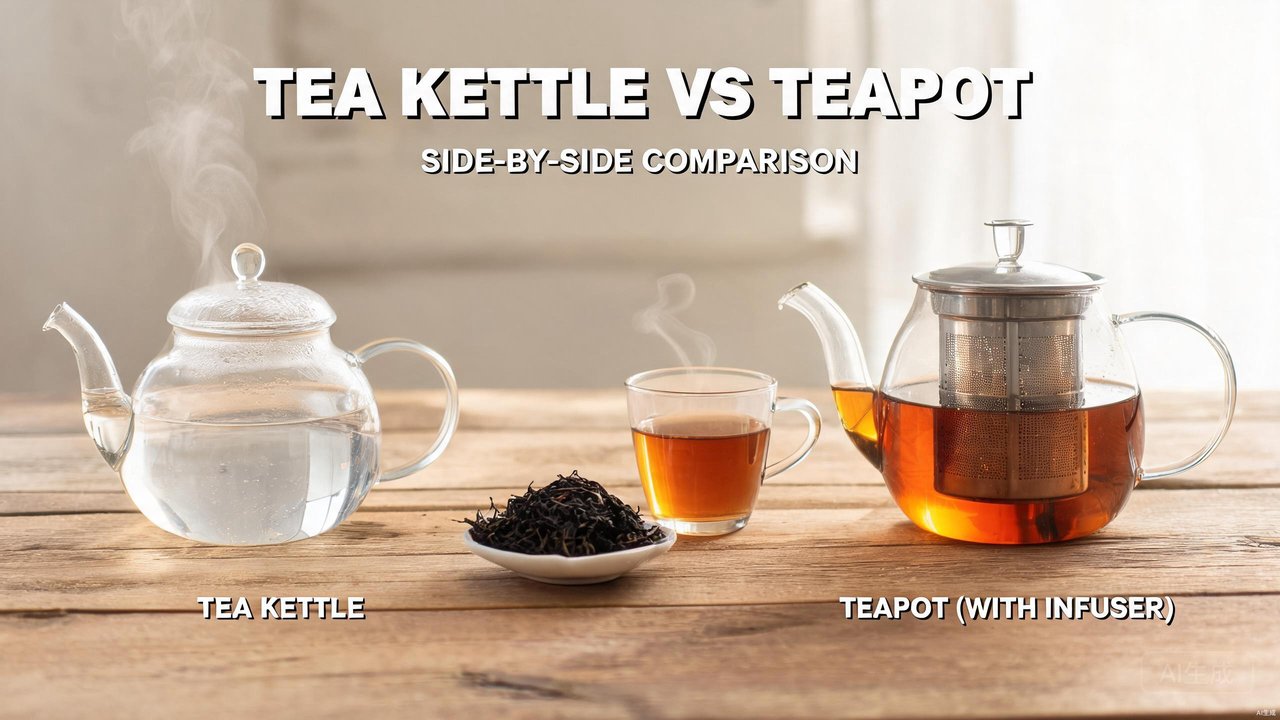
A tea kettle heats water; a teapot brews and serves tea. One brings the heat, the other brings out the flavor. Understanding this single distinction is the key to better tea at home.
In this comprehensive guide, we will break down everything you need to know about tea kettles versus teapots. We will cover definitions, materials, stovetop safety, the role of infusers, and how to decide which piece of tea brewing equipment belongs in your kitchen. Whether you are shopping for your first glass tea kettle or upgrading to a teapot with a built-in infuser, this article will give you the clarity you need to make the right choice.
What Is a Tea Kettle?
A tea kettle is a vessel designed primarily for heating water. That is its single most important job. You fill it with cold water, place it on a heat source (a stovetop burner or, in the case of electric models, an internal heating element), and bring the water to the precise temperature your tea requires. The kettle does not touch the tea leaves; it only prepares the water that will eventually extract flavor from them.
Tea kettles come in several distinct types, each suited to different kitchens and brewing habits:
Stovetop Tea Kettle
The classic stovetop tea kettle sits directly on a gas, electric, or induction burner. Traditional models are made of stainless steel or copper and often feature a whistling spout that alerts you when the water reaches a boil. Stovetop kettles are prized for their durability, their charming whistle, and the fact that they work even during a power outage. They are the workhorse of the tea kettle family and a common sight in kitchens around the world.
Electric Tea Kettle
Electric kettles plug into an outlet and use an internal heating element to boil water rapidly. Many modern electric kettles feature variable temperature controls, allowing you to heat water to exact degrees ideal for green tea (around 175°F/80°C), white tea (185°F/85°C), or black tea and herbal infusions (212°F/100°C). For precision brewers, an electric kettle with temperature control is often considered the best tea kettle option available.
Glass Tea Kettle
A glass tea kettle brings a visual elegance to the boiling process. Made from heat-resistant borosilicate glass, these kettles let you watch the water as it heats and the bubbles as they form, which is genuinely useful for gauging temperature in the traditional Chinese gongfu style. Some glass tea kettles are stovetop-safe and can be placed directly on a burner, while others are electric. The transparency makes it easy to monitor water quality and cleanliness, and the neutral glass ensures no metallic or plastic flavors leach into your water.
Not all glass is created equal. A true stovetop-safe glass tea kettle must be made from borosilicate glass, which can withstand rapid temperature changes without shattering. Always check the manufacturer's specifications before placing any glass vessel on a direct flame.
No matter the type, the defining characteristic of a tea kettle remains the same: it is built to heat water efficiently and safely. Once the water reaches the right temperature, it is poured out and the kettle's job is done.
What Is a Teapot?
A teapot, by contrast, is a vessel designed for brewing and serving tea. This is where the actual steeping happens. You place tea leaves (loose leaf or in a bag) inside the teapot, pour hot water from your kettle over them, and let the leaves infuse. The teapot then serves as a communal vessel from which you pour the finished tea into individual cups.
Unlike a kettle, a teapot is generally not designed to be placed on a direct heat source. Its job is to hold hot water and tea leaves together long enough for proper extraction, then to keep the brewed tea warm and pour it gracefully. Teapots prioritize heat retention, aesthetic beauty, and a controlled pour.
Teapots come in a wide range of materials, each influencing the flavor, temperature, and ritual of the brew:
Glass Teapot
A glass teapot is a favorite among tea enthusiasts who appreciate visual brewing. The transparency allows you to watch the tea leaves unfurl and the liquor deepen in color, which is especially beautiful with whole-leaf teas, blooming teas, and flowering herbal blends. High-quality glass teapots are made from borosilicate glass, which resists thermal shock and lets you pour boiling water directly in without cracking. Many glass teapots come with a built-in stainless steel infuser, making them a convenient all-in-one brewing solution.
Ceramic and Porcelain Teapot
Ceramic teapots are the traditional choice in many cultures. They offer excellent heat retention, come in countless decorative glazes, and impart no flavor of their own to the tea. Porcelain, a type of ceramic, is particularly prized for delicate teas because its thin walls prevent over-steeping by allowing heat to dissipate at a controlled rate. Yixing clay teapots, a specialized unglazed ceramic from China, are seasoned over time and are said to enhance the flavor of specific tea types.
Cast Iron Teapot
Cast iron teapots, inspired by the Japanese tetsubin, are unrivaled for heat retention. Once heated, a cast iron teapot will keep your tea piping hot for far longer than glass or ceramic. They are durable, strikingly beautiful, and often enamel-lined on the inside to prevent rust. Their weight and heat retention make them ideal for serving tea over an extended gathering.
The teapot is where tea becomes tea. The kettle provides the heat, but the teapot provides the time, the space, and the ceremony that transform water and leaves into something worth savoring.
Key Differences: Tea Kettle vs Teapot Comparison
Now that we have defined each vessel, let us place them side by side. The table below summarizes the core differences between a tea kettle and a teapot across the dimensions that matter most to home brewers.
| Feature | Tea Kettle | Teapot |
|---|---|---|
| Primary Function | Heating water to a desired temperature | Brewing (steeping) and serving tea |
| Stovetop Safe | Yes, designed for direct heat (stovetop or electric element) | Generally no; designed to hold hot water, not be heated directly |
| Typical Material | Stainless steel, copper, borosilicate glass | Glass, ceramic, porcelain, cast iron, Yixing clay |
| Contains Tea Leaves | No, water only | Yes, this is where the leaves steep |
| Built-in Infuser | Rare (some tea kettle with infuser hybrids exist) | Common; many glass teapots include a stainless steel infuser |
| Heat Retention | Moderate; designed to transfer heat to water quickly | High; designed to keep brewed tea warm |
| Serving | Pours water only, not for serving at the table | Designed for graceful tableside serving into cups |
| Spout Design | Often whistling, angled for controlled pouring of boiling water | Non-whistling, designed for a smooth, drip-free pour of tea |
| Aesthetic Focus | Function-first; durability and heating efficiency | Form and ceremony; beauty, ritual, and presentation |
As the table makes clear, the tea kettle and the teapot serve fundamentally different roles in the brewing process. The kettle is about energy, bringing water to temperature. The teapot is about extraction and experience, coaxing flavor from the leaves and presenting the finished tea with grace.
Can a Glass Teapot Be Used as a Kettle?
This is one of the most common questions we receive, and the answer is a qualified yes. A glass teapot can be used to heat water on a stovetop, but only if it meets specific safety requirements. The glass must be borosilicate glass, which is engineered to withstand rapid and extreme temperature changes. Standard soda-lime glass, the kind used for ordinary drinkware, will shatter violently if exposed to a direct flame.
Even with borosilicate glass, there are important precautions:
- Use low to medium heat. High flames that lick up the sides of the pot can create stress points and cause cracking, even in borosilicate glass.
- Never heat an empty glass vessel. Always have water inside to absorb and distribute the heat.
- Avoid sudden temperature shocks. Do not move a hot glass teapot directly onto a cold, wet countertop or add cold water to a hot pot.
- Check for a stovetop-safe rating. Reputable manufacturers will explicitly state whether their glass teapot is safe for stovetop use. When in doubt, do not risk it.
- Use a diffuser on gas stoves. A metal heat diffuser between the flame and the glass helps distribute heat evenly and protects the glass from direct flame contact.
Some modern designs blur the line entirely. These dual-purpose glass vessels are marketed as both a glass tea kettle and a teapot, capable of boiling water on the stovetop and then brewing tea directly in the same pot. For small kitchens or minimalist brewers, this can be an appealing solution. However, purists often prefer to keep the two functions separate, as a dedicated kettle heats water faster and more efficiently, while a dedicated teapot is optimized for steeping and serving.
Can a glass teapot double as a kettle? Yes, if it is borosilicate and rated for stovetop use. But remember: a vessel designed to do two jobs rarely excels at both. For everyday brewing, a dedicated kettle and a dedicated teapot remain the gold standard.
The Glass Teapot with Infuser: Best of Both Worlds
If there is one piece of tea brewing equipment that has revolutionized home tea making in recent years, it is the glass teapot with infuser. This clever design combines the visual beauty of a glass teapot with the convenience of a built-in stainless steel infuser basket, creating a single vessel that handles the entire brewing process from leaf to cup.
Here is how it works: you place loose tea leaves inside the removable infuser basket, pour hot water from your kettle into the glass teapot, and let the tea steep. Once the desired strength is reached, you lift the infuser basket out of the pot, setting it aside on a small drip tray. The tea remains in the pot, free of leaves, ready to be poured and enjoyed. The leaves stop steeping the moment the infuser is removed, which gives you precise control over extraction and prevents the bitterness that comes from over-steeping.
The benefits of a glass teapot with infuser are numerous:
- Visual brewing. Watch the leaves expand and the color develop, a pleasure especially with whole-leaf and blooming teas.
- Loose leaf convenience. Enjoy the superior flavor of loose leaf tea without the mess of tea bags or separate strainers.
- Temperature control. Remove the infuser when the tea is ready, stopping extraction exactly when you want.
- Neutral flavor. Borosilicate glass and stainless steel impart no taste, so you taste only the tea.
- Easy cleanup. Empty the infuser basket, rinse the glass pot, and you are done.
- Elegant serving. The same beautiful vessel brews and serves, making it perfect for guests.
For most home brewers, especially those just building their tea collection, a glass teapot with infuser is arguably the single most versatile and rewarding piece of equipment you can own. It bridges the gap between simplicity and craftsmanship, making loose leaf tea accessible without sacrificing the sensory experience.
A glass teapot with infuser is the Swiss Army knife of the tea world. It brews, it strains, it serves, and it looks beautiful doing all three. For the home brewer who wants one vessel that does it all, nothing else comes close.
Which Do You Need? A Decision Guide by Use Case
Now that you understand the difference between a kettle and a teapot, the question becomes: which do you actually need? The answer depends entirely on how you brew and how you like to drink your tea. Use the guide below to find your match.
You Need a Tea Kettle If:
- You primarily drink tea from bags or a single mug and just need reliably hot water.
- You brew tea frequently and want precise temperature control for different tea types.
- You want to boil water quickly for tea, coffee, oatmeal, or instant meals.
- You already own a teapot you love and just need a reliable water heater.
- You enjoy the ritual and sound of a whistling stovetop kettle.
You Need a Teapot If:
- You brew loose leaf tea and want a dedicated vessel for steeping and serving.
- You entertain guests and want to serve tea beautifully at the table.
- You enjoy the visual experience of watching tea leaves unfurl in a glass teapot.
- You already have a reliable way to heat water (a kettle, a pot, or an electric dispenser).
- You want to brew larger quantities of tea to share.
You Need Both If:
- You are serious about tea and want to brew it properly from start to finish.
- You drink a variety of teas that require different water temperatures.
- You entertain regularly and want the full brewing experience for your guests.
- You appreciate the ceremony and craftsmanship of traditional tea preparation.
The serious home brewer ultimately needs both. The kettle heats the water with precision; the teapot brews the tea with grace. Together, they form the two halves of a complete tea ritual.
Product Recommendations: Glass Teapot and Mugs for Your Home
To help you build your home tea setup, we have selected a few standout products that pair beautifully together. Each has been chosen for quality, value, and the way they enhance the everyday tea experience.

Glass Teapot with Infuser
This glass teapot with a built-in stainless steel infuser is the perfect all-in-one brewing vessel for loose leaf tea. Made from heat-resistant borosilicate glass, it lets you watch your tea brew while the removable infuser basket gives you precise control over steeping time. Elegant, practical, and a beautiful centerpiece for any tea table.
Once your tea is brewed, the right mug elevates the drinking experience. Double walled glass mugs are an exceptional companion to a glass teapot, as they insulate your tea to keep it hot while remaining cool to the touch on the outside.

Double Walled Glass Mugs, Set of 2
A set of two double walled borosilicate glass mugs that keep your tea hot while staying comfortable to hold. The insulated design prevents condensation and protects your hands, while the crystal-clear glass showcases the color of your brew. Perfect for a quiet tea moment for two.

Double Walled Glass Mugs, Set of 6
Hosting a tea gathering? This set of six double walled glass mugs ensures every guest enjoys their tea at the perfect temperature. The same insulating borosilicate construction in a larger set, ideal for families, entertaining, or stocking a tea-loving household.
Tips for Choosing the Right Brewing Vessel
Selecting the right tea kettle or teapot is a personal decision that should match your brewing habits, your aesthetic preferences, and your kitchen setup. Here are the key factors to consider as you shop.
1. Consider Your Primary Tea Type
Different teas benefit from different vessels. Delicate green and white teas shine in a glass teapot, where the lower brewing temperatures and visual unfurling of the leaves can be appreciated. Robust black teas and pu-erh benefit from the superior heat retention of ceramic or cast iron teapots. If you drink a wide variety, a versatile glass teapot with infuser is an excellent starting point.
2. Prioritize Material Safety
If you plan to use a glass vessel on the stovetop, borosilicate glass is non-negotiable. Look for this specification clearly stated by the manufacturer. For kettles, food-grade stainless steel is the safest and most durable metal choice, as it will not leach flavors or contaminants into your water.
3. Match Size to Your Habits
A teapot that is too large will leave you with cold, wasted tea; one that is too small will have you brewing constantly. For solo drinkers, a 20 to 30 ounce teapot is ideal. For couples or small gatherings, 40 to 50 ounces works well. For entertaining, consider 60 ounces or more. The same logic applies to kettles: match the capacity to how much hot water you typically need at once.
4. Evaluate the Infuser Design
If you are buying a teapot with infuser, examine the infuser basket closely. It should be large enough to allow tea leaves to expand fully, made of fine stainless steel mesh to keep even small particles out of your cup, and easy to remove and clean. A cramped infuser will choke the leaves and produce a weak, flat brew.
5. Think About Heat Retention
How long do you want your tea to stay hot? Glass teapots lose heat relatively quickly, making them ideal for teas that should be consumed promptly. Cast iron and thick ceramic retain heat for extended periods, perfect for long, slow sessions or serving a crowd. Some teapots come with a matching warmer or tea cozy to extend heat retention.
6. Consider the Spout and Handle
A good teapot pours smoothly without dripping, and its handle feels balanced and comfortable when full. If possible, test the pour before buying, or read reviews that mention pour quality. The handle should keep your hand safely away from the hot body of the pot.
The best tea kettle or teapot is not the most expensive one; it is the one that fits seamlessly into your daily routine. Choose the vessel that makes you look forward to brewing, and you have chosen correctly.
Cleaning and Maintenance
Proper care extends the life of your tea brewing equipment and ensures every cup tastes fresh. Different materials require different approaches.
Glass Teapots and Kettles
Glass is the easiest material to keep clean and flavor-neutral. After each use, rinse the vessel with warm water. For stubborn tea stains, a paste of baking soda and water applied with a soft sponge will restore the crystal clarity. Avoid abrasive scouring pads that can scratch the glass. Most borosilicate glass teapots are dishwasher safe on the top rack, but hand washing preserves the clarity and longevity of the glass. To remove mineral buildup from hard water, fill the pot with a solution of equal parts water and white vinegar, let it sit for an hour, then rinse thoroughly.
Stainless Steel Infusers
Remove the infuser basket promptly after brewing and empty the spent leaves. Rinse it under running water and use a soft brush to clear any particles from the mesh. For a deeper clean, soak the infuser in hot water with a little dish soap, then rinse and air dry. Periodically boiling the infuser in water for a few minutes will remove accumulated oils and keep the mesh flowing freely.
Ceramic and Porcelain Teapots
Ceramic teapots can be washed with warm water and mild dish soap. Avoid sudden temperature changes, as even sturdy ceramic can crack when moved from cold to hot. Glazed porcelain is generally dishwasher safe, but hand washing is gentler. For unglazed Yixing clay teapots, never use soap; simply rinse with hot water and allow to air dry completely. These pots are intentionally seasoned by the tea and should never be stripped of their accumulated patina.
Cast Iron Teapots
Cast iron requires the most careful maintenance. Never use soap or abrasive cleaners. Rinse with warm water while the pot is still warm, then dry the exterior immediately with a soft cloth. Place the empty pot on a warm stovetop for a few minutes to evaporate any remaining moisture inside, which prevents rust. Store with the lid off so air can circulate. If rust does appear, scrub gently with a soft brush and re-season the interior with a thin coating of tea water.
Treat your tea vessels with care and they will reward you with years of flawless brewing. Glass offers effortless cleanliness, ceramic offers timeless durability, and cast iron offers a lifetime of warmth, provided you respect the needs of each material.
Conclusion: Choosing Your Perfect Brewing Companion
Understanding the difference between a tea kettle and a teapot is the first real step on the journey from casual tea drinker to thoughtful home brewer. The kettle heats the water; the teapot brews and serves the tea. One manages energy and temperature, the other manages extraction and presentation. Neither is better than the other; they are partners in a process that, done well, turns simple leaves and water into something genuinely special.
Whether you choose a classic whistling stovetop kettle paired with a ceramic teapot, a precision electric kettle alongside a cast iron pot, or an elegant glass tea kettle with infuser that handles everything in one beautiful vessel, the most important thing is that your equipment matches your habits and brings you joy. Tea brewing is, at its heart, a daily ritual of mindfulness, and the right tools make that ritual something you look forward to rather than a chore.
For most home brewers, we recommend starting with a versatile glass teapot with infuser for brewing and serving, paired with a reliable kettle, stovetop or electric, for heating water. This combination covers virtually every tea type and brewing scenario, looks beautiful on any table, and grows with you as your tea knowledge deepens. Add a set of double walled glass mugs, and you have a complete home tea setup that will serve you for years.
The difference between a kettle and a teapot is simple, but the difference it makes to your tea is profound. Heat the water with intention, brew the leaves with patience, and serve with care. That is the heart of home brewing.
We hope this guide has clarified the distinction between tea kettles and teapots and given you the confidence to choose the right equipment for your kitchen. If you found this article helpful, be sure to explore our related guides below to continue building your tea brewing expertise.
Ready to Elevate Your Tea Brewing?
Whether you are choosing your first glass teapot or upgrading to a vessel with a built-in infuser, the right equipment transforms your daily cup. Explore our curated selection of glass teapots, stovetop kettles, and brewing accessories to find the perfect match for your kitchen.
Explore Our Glass Teapot Guide